Book Appointment Now

Why Cars Struggle to Start in Winter
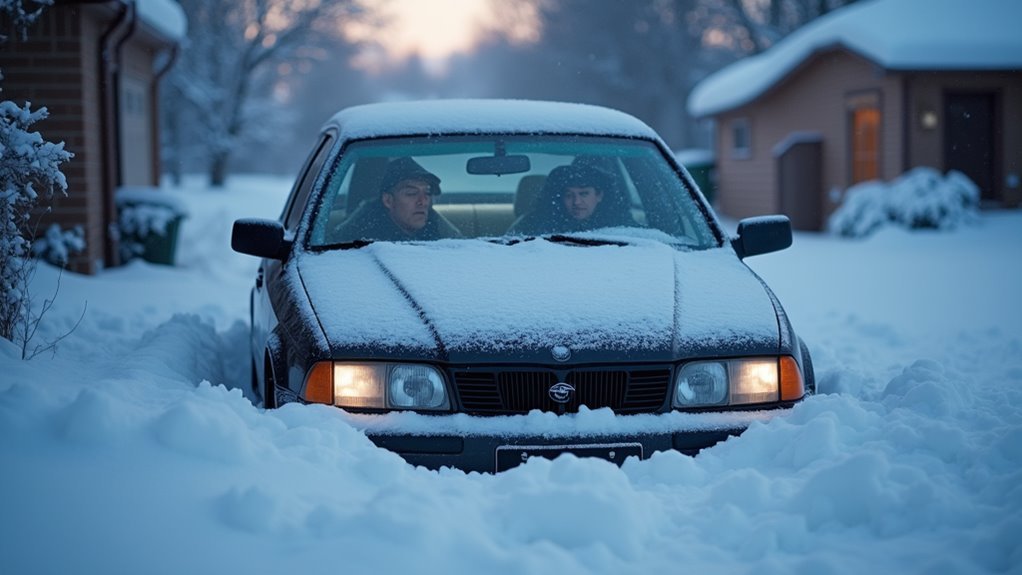
Cold weather makes cars harder to start because batteries produce less power and engine oil thickens. Fuel can condense or vaporize differently in low temperatures, reducing combustion efficiency. Starter motors work harder against increased friction and viscous fluids. Diminished battery output also causes dim lights and slow cranking. These combined effects explain those frustrating winter morning no-starts.
How Cold Weather Affects Starting Systems
Cold weather can make a car feel stubborn, and the reason starts inside the starting system itself.
Whenever temperatures drop, your battery can’t send power as easily, so the starter motor gets less energy to turn the engine.
At the same time, thick oil adds drag, and your engine asks for more effort before it wakes up.
That double strain can leave you waiting and worrying.
You can help through checking battery insulation, keeping connections clean, and doing starter maintenance before winter hits.
Should you park outside, a sheltered spot can ease the load a little.
Even small steps matter, because your car isn’t being dramatic; it’s just fighting the cold like you are.
Why Car Batteries Fail in Winter
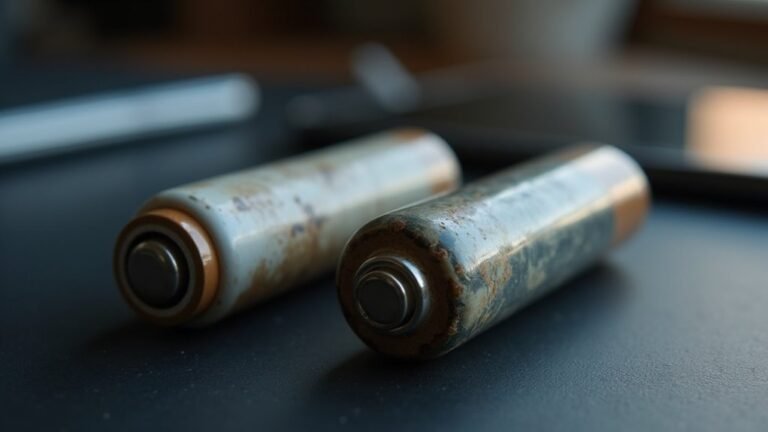
Cold weather can steal your battery’s cranking power, so you might hear a weak click or slow start instead of a strong engine turn.
Whenever temperatures drop, the battery makes less energy, and thick engine oil adds extra strain on every crank.
That combo can leave you stuck in the cold, even if the battery seemed fine yesterday.
Cold Cranking Power Loss
As winter bites, your battery usually feels it initially. Cold amperage drops, so you get less punch for the starter. Inside, electrolyte viscosity rises, and the battery’s chemistry slows. That means you’re asking for a quick burst of power from a system that’s moving like it’s wading through syrup.
| What you notice | What it means |
|---|---|
| Slow crank | Less starter energy |
| Dim lights | Voltage dips under load |
| Clicking sound | Not enough current flow |
You can feel alone whenever the engine hesitates, but you’re not. Cold cranking power loss hits many drivers. Even a battery that seemed fine yesterday can stumble today. Should your leads be loose or corroded, that weak flow gets worse. So whenever winter turns mean, your battery needs every clean connection and every warm advantage you can give it.
Reduced Battery Capacity
A weak battery can turn a normal winter morning into a frustrating delay, because the cold cuts into its capacity and leaves you with less power than you expect.
Whenever your battery gets cold soaked, its chemical reactions slow down, so it can’t make as much current for the starter. That means you might hear slow cranking, dim lights, or a tired click instead of a quick start.
In case your battery already runs low, winter exposes the problem fast.
Battery stratification can also leave the acid uneven inside older batteries, which weakens output even more.
You’re not alone here, and this issue is common in cold weather. So, checking battery health before winter helps you stay ready, confident, and less likely to be stranded at dawn.
Thickened Engine Oil
Just as the engine is ready to turn, thick winter oil can make the whole job feel much harder than it should.
When you start your car in the cold, that oil moves slowly, so the starter has to push harder and the engine feels stuck for a moment. You might hear sluggish cranking, and it can leave you worried before work or school.
Winter-grade oil helps because it stays easier to pump. Also, oil additives can improve flow in low temperatures.
If you want extra peace of mind, ask for viscosity analysis before the season changes. That simple check tells you whether your oil still fits the cold.
When you use the right oil, you give your car a fair shot and keep your morning routine calmer.
How Thick Engine Oil Slows Starting
Thickening in the cold, engine oil can turn a simple start into a hard pull for your car. You feel it whenever the starter labors and the engine turns slowly.
Cold oil moves less freely, so it clings to parts and resists flow. That extra drag makes your battery and starter work harder right away.
As you choose oil, look for viscosity additives and check cold flow evaluation, because both help you know how the oil behaves in winter. Should the grade be too thick, your engine has to fight through more resistance before it can run smoothly.
A winter-friendly oil lets you join the morning rush with less strain, and it gives your car the easier start it deserves.
Why Fuel Delivery Gets Flaky in Cold Weather
Provided that thick oil makes your engine work harder, cold weather can trip up the fuel system too.
You might notice sluggish starts whenever gasoline doesn’t vaporize well, so the engine gets less of the mix it needs.
Moisture can freeze inside lines and fittings, and that can block flow before fuel reaches the engine.
Worn hoses make this worse because they invite water in, which can lead to fuel line dehydration and other flow troubles.
Should you drive a diesel, cold fuel can gel fast.
To stay ready, park in shelter whenever you can, keep the tank fuller, and use insulation strategies on exposed lines.
Those small steps help your car feel less fussy on frosty mornings and keep you moving with more confidence.
How Cold Weather Affects Your Ignition System
As the temperature drops, your ignition system has to work much harder to do a job that already takes perfect timing. Cold air can weaken the spark that starts combustion, so your spark plug might fire less cleanly, and your ignition coil could need more energy to do its part. That’s why winter can make your engine feel stubborn, even whenever you’re doing everything right.
| Part | Cold effect |
|---|---|
| Spark plug | Needs a stronger spark |
| Ignition coil | Works under higher strain |
| Wires | Lose flexibility |
| Caps and boots | Can let moisture linger |
| Timing | Becomes less forgiving |
Whenever these parts stay dry and healthy, you give your car a better chance to start like it belongs on your side, even on a rough morning.
Signs Your Car Battery Is Weak
Whenever your battery gets weak, you’ll usually notice the engine crank more slowly than usual, especially on cold mornings.
You might also see dim headlights and hear a clicking sound whenever you turn the key or press the start button.
Those are clear signs that your battery’s struggling to give your car enough power.
Slow Engine Crank
A slow engine crank is often the initial clue that your car battery is getting weak. Whenever you turn the key, you hear the starter groan, then the engine rolls over like it’s waking up after a long night.
Cold weather makes this worse because battery power drops and the engine fights thicker oil. You might notice cold bearings adding drag, or a weak flywheel making the effort feel uneven.
That slower turn means your battery can’t send enough energy right away. Should you keep trying, you only wear the system down more.
Instead, pause, check the battery connections, and listen for change. As your car joins the winter struggle, this sign helps you act promptly and stay confident on the road.
Dim Headlights
Dim headlights often give you a preliminary warning that your car battery is losing strength. Once you start the car, the lights could look softer than usual, and dashboard dimming can happen at the same time. That happens because the battery can’t send steady power to every system at once.
You may also notice the cabin lights and radio seem less lively, which can make winter mornings feel even tougher. Don’t blame bulb degradation too quickly. In case both headlights fade together, the issue often points to weak battery output, not one bad bulb.
In cold weather, this sign matters even more, since the battery already works harder. Through paying attention beforehand, you can feel more prepared and keep your car in the circle of drivers who stay ready.
Clicking Ignition Sound
That sharp clicking sound can feel unsettling, but it’s often your car’s way of saying the battery doesn’t have enough strength to turn the engine over. Whenever you turn the key and hear sudden clicks or starter chatter, the starter is asking for power your battery can’t fully give. In winter, cold slows battery chemistry, so the engine might only get a weak pulse.
| Sound | What it means | Your next step |
|---|---|---|
| Single click | Low battery output | Turn off accessories |
| Rapid clicks | Weak voltage flow | Check battery leads |
| Starter chatter | Not enough cranking power | Try a jump start |
You’re not stuck alone with this. A loose terminal or worn battery can make the sound worse, so check connections and get the battery examined soon.
Battery, Starter, or Alternator?
Upon the occasion your car won’t start on a freezing morning, the real problem isn’t always obvious, and that can feel frustrating fast.
You could hear a weak click, and that can point to a tired battery, a sticky starter solenoid, or charging trouble.
Begin by checking the battery initially, because cold weather lowers its power and loose or corroded cables can block it.
Should the lights stay bright but the engine still won’t turn, the starter or solenoid could need attention.
Were the battery to keep dying after driving, alternator diagnostics can help you spot a bad charge system before it leaves you stranded.
You’re not alone in this; winter exposes weak parts quickly, but a careful check can bring back confidence and calm.
Why Starter Motors Struggle in Winter
As the temperature falls, your battery can lose voltage, so your starter motor gets less power just at the moment it requires it most.
At the same time, thickened engine oil makes the engine harder to turn, which puts extra strain on the starter.
That’s why you might hear slow cranking or a tired clicking sound instead of a quick start.
Battery Voltage Drop
A weak battery can turn a normal winter morning into a frustrating delay, and battery voltage drop is a big reason why. In cold weather, battery chemistry slows, so your battery makes fewer electrons and your starter gets less push. That’s why you might hear a tired click instead of a strong crank. You’re not alone, though; many drivers face the same chill.
| Cause | Effect | What You Notice |
|---|---|---|
| Cold battery | Lower voltage | Slow crank |
| Undercharge | Less reserve | Hard start |
| Corrosion | Poor flow | Weak click |
| Loose leads | Voltage loss | Flicker |
| Bad cable insulation | More resistance | Uneven start |
When voltage falls, accessories can steal power too. Check connections, protect cable insulation, and evaluate the battery before winter so you and your car can stay ready together.
Thickened Engine Oil
Thick oil can make a winter morning feel like an exam your car never signed up for.
Whenever the temperature drops, the oil gets syrupy, so your engine doesn’t move as freely. You might hear the starter turn, yet it has to push against that heavier drag. That’s why winter-grade synthetic oils often help, because they stay thinner in the cold and flow faster to key parts. Oil additives can also improve cold flow and reduce friction, which gives you a smoother start.
In case you use the wrong oil, your car can feel sluggish and stubborn. So before the next frost, check your oil level and grade. A small change can help you feel more confident once the key turns.
Increased Starter Load
Even with the right oil in place, your starter still has a tough job on a freezing morning. Cold engine parts create extra drag, and the starter has to push through it all while the battery gives less help. That’s where starter gearing matters. It multiplies force, but winter still challenges every part.
| What you feel | What’s happening |
|---|---|
| Slow crank | More engine resistance |
| Clicking sound | Less electrical power |
| Hard start | Starter strain rises |
With weaker thermal lubrication, the engine doesn’t spin as freely, so your starter works longer and hotter. Should you keep trying, you add even more load. You’re not alone here, though; many drivers face the same winter battle. Once the starter gets tired, the whole system feels it, and the car could only groan back at you.
What to Check When Your Engine Cranks Slowly
Provided your engine is cranking slowly, start by checking the battery, because cold weather can sap it fast and leave the starter short on power. Look for weak lights, then inspect the terminals for cable corrosion or loose clamps that block current. Clean and tighten them so you get a solid connection.
Next, listen for a labored spin, which can point to thick oil or a starter that’s working too hard. In case the battery seems fine, check starter alignment and wiring, since a small shift can make the motor drag. You should also turn off extra accessories before starting, because every bit of load matters once the temperature drops.
Should the crank still feel sluggish, your system might need a closer look.
How to Jump-Start a Car Safely
Provided that your engine still won’t turn over after you’ve checked the battery and cables, a safe jump-start can get you moving again without making the problem worse. Initially, park the helper car close enough for the cables to reach, but don’t let the vehicles touch. Put on safety gloves, then turn off both ignitions and keep accessories off. Next, follow careful cable organization: red to dead battery positive, red to donor positive, black to donor negative, and the last black clamp to bare metal on your car, away from the battery. Start the helper car, then try your engine. Should it start, remove the cables in reverse order. Keep your hands clear, stay calm, and ask for help should anything spark or feel off.
Why Winter Fluids Matter for Starting
Winter fluids can make the difference between a smooth start and a frustrating morning, because cold weather changes how your car moves, pumps, and fires up. You rely on fuel that vaporizes well and oil that still flows.
Whenever temperatures drop, thick oil drags on the engine, and winter fuel with the right ethanol content can help steady combustion. Good additive selection also matters, because it can support clean fuel flow whenever moisture and cold try to slow things down.
Should your fluids fit the season, your car feels less stubborn and more ready to join you. That matters whenever you’re already counting on a calm commute and a little confidence. So, paying attention to fluid choice isn’t fussy. It’s part of staying in the group that gets moving.
How to Prevent Winter Starting Problems
A smart winter prep routine can save you from that sinking feeling while the engine just won’t catch. Check your battery before the cold snaps hit, and keep the terminals clean and tight so power flows well. Should you use battery storage, keep it charged and dry.
Next, choose the right oil and top off fluids so the engine turns easier. Park in a garage whenever you can, and use garage blankets or an engine cover to hold in heat.
Before you start, switch off lights, the heater, and the stereo to reduce load. On very cold mornings, let a block heater do its work.
These small habits help you feel prepared, not stranded, and they make winter driving a lot less stressful for you and your crew.
When to Call a Mechanic for No-Start Issues
Should your car keep refusing to start after you’ve checked the basics, it could be time to call a mechanic.
In case you hear clicking, smell fuel, or see dash lights fade fast, you’re likely beyond a quick fix. A pro can follow a diagnostic checklist to spot weak batteries, frozen fuel lines, bad starters, or loose cables. That matters during winter stress hides the real problem.
You should also get help should the issue keeps returning, since repeated no-starts can drain the battery and worsen damage.
Provided your vehicle is under warranty coverage, let the shop check the terms before repairs. Then you’ll know what’s covered and what isn’t.
With the right support, you won’t have to guess alone, and you can get back on the road sooner.
Frequently Asked Questions
Why Does My Car Start Fine After Sitting in the Sun?
It starts better because the sun’s warmth enhances battery warming and solar charging, so your battery delivers more power, oil thins, and parts expand slightly. You feel lucky, but it’s really cold start relief.
Can a Fuel Additive Help Prevent Winter No-Starts?
Yes, you can use a fuel stabilizer to help, especially if you are worried about ethanol issues and moisture. It will not fix battery or oil problems, but it can reduce fuel related winter no starts.
Does Remote Starting Help or Hurt a Cold Engine?
It usually helps provided you use remote idling briefly, because you warm fluids and ease starting. Do not overdo it though; excessive battery cycling can drain power, and you will still need to drive gently afterward.
Why Do Dashboard Lights Stay on When the Engine Won’T Start?
Your dashboard lights stay on because the battery still powers accessories, but the starter is not getting enough current. You may have battery parasitics, loose connections, or electrical faults that drain voltage before the engine can crank.
Can Tire Pressure Affect How Hard a Car Starts in Winter?
Yes, indirectly. When cold hits, you’ll notice tire contraction and pressure sensors dropping, right alongside a sluggish start. You belong with drivers who check pressures promptly, because proper inflation helps your car roll easier and eases winter strain.