Book Appointment Now

What Happens When a Lithium Ion Battery Ages
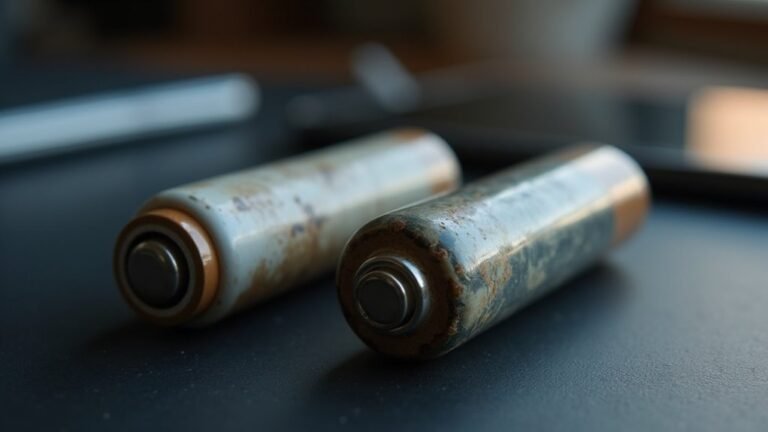
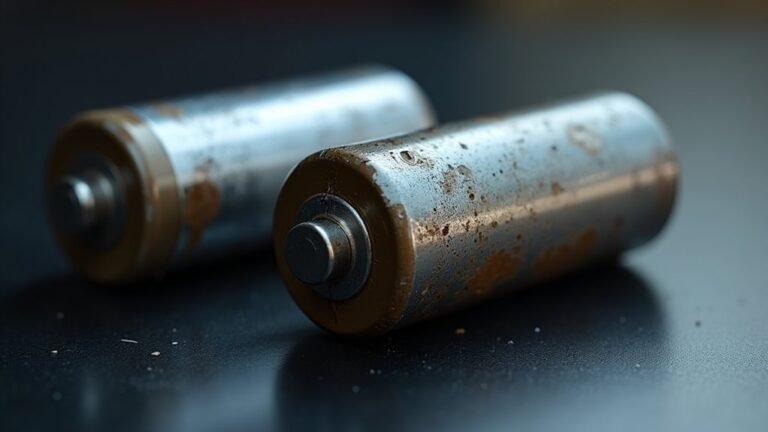
Batteries lose usable capacity as they age, so run time shortens and charge cycles hold less energy. Internal resistance rises, causing slower charging and earlier voltage drop under load. Heat, high charge levels, and calendar time accelerate chemical wear inside cells. The process progresses gradually, with performance decline visible well before total failure. Small changes in charging habits and temperature control can slow degradation and extend battery life.
What Happens as Lithium-Ion Batteries Age?
As a lithium-ion battery gets older, it slowly loses some of the abilities you once counted on. You might notice it holds less charge, so your device runs out sooner and needs the charger more often. It can also give up power less smoothly, because rising resistance makes voltage drop faster during use.
Even if you store it, the battery keeps changing. Heat and a high charge level can speed wear, while electrolyte gassing and electrode delamination can weaken the inside parts. Then the cell feels tired, almost like it needs a longer break than you do.
Still, you’re not alone in this. These changes are normal, and they show that the battery’s working life is moving forward, one small step at a time.
Why Lithium-Ion Batteries Lose Capacity
Capacity loss starts with small chemical changes that add up over time. You mightn’t notice them initially, but your battery slowly loses active lithium and usable electrode material.
As the solid electrolyte layer grows, it traps more charge and leaves less room for storage. At the same time, cathode degradation breaks down the part that holds and releases energy, so each cycle gives you a little less.
Heat, age, and heavy use all speed this process along. Even if you aren’t using the battery, side reactions keep working in the background. That means your battery’s capacity drops because the cell can’t hold as much energy, and the power you count on becomes smaller with each cycle.
How Aging Lithium-Ion Batteries Charge More Slowly
As your lithium-ion battery ages, its internal resistance rises, so electricity doesn’t move through it as easily.
You’ll notice that ions travel more slowly inside the cell, which makes charging feel less responsive.
Because the battery can’t accept charge as well, it takes longer to fill up and might seem like it’s getting stubborn for no good reason.
Increased Internal Resistance
One common sign of battery aging is slower charging, and the cause is often increased internal resistance. You might notice your battery taking longer to fill because it has to push harder through its own worn parts.
As cells age, electrode delamination can loosen contact inside the pack, and contact corrosion can block smooth current flow. That extra resistance turns more energy into heat, so your charger works longer but gains less charge each minute.
You’re not imagining it when your device feels tired. It’s the battery asking for more effort from every refill. This change often shows up with shorter runtime, too, because the battery can’t deliver power as easily.
Slower Ion Movement
Whenever a lithium-ion battery starts aging, its tiny ions don’t move as freely, and that quiet slowdown can make charging feel frustratingly sluggish. You might notice the pack needs more time to fill because ion diffusion through the electrodes and electrolyte gets less smooth, and transport kinetics lose their easy rhythm. That means each step from one side of the cell to the other takes longer, like a crowded hallway at rush hour.
| Path | Fresh Cell | Aging Cell |
|---|---|---|
| Ion flow | Quick | Dragged |
| Charge time | Steady | Longer |
| Feel | Calm | Annoying |
Reduced Charge Acceptance
Aging lithium-ion batteries start to push back during charging, and that’s as reduced charge acceptance shows up.
You’ll notice the battery takes in energy more slowly, even whenever the charger works fine.
As the cell ages, internal resistance rises, so more power turns into heat instead of stored energy. That makes charge acceptance drop, and your device might sit on the charger longer than before.
You might also see voltage hysteresis, where the battery’s voltage responds less smoothly during charge and rest.
Together, these changes make the battery feel stubborn, not broken. It’s still trying, just with less ease. So in the event charging seems sluggish, you’re seeing normal wear, not a personal failure of your battery.
Signs Your Lithium-Ion Battery Is Wearing Out
Usually, your lithium-ion battery gives you clear warning signs before it fails, and the initial clue is often a drop in capacity. You might notice your device lasting less time, charging more often, or losing power faster during normal use. These capacity indicators show up in everyday life, while performance metrics help you compare how far the battery has slipped.
| Sign | What you might notice |
|---|---|
| Short runtime | You need a charger sooner |
| Slow charging | Power builds up more slowly |
| Quick voltage drop | The battery feels weak fast |
| Lower state of health | Tools or phones show reduced capacity |
As wear grows, you could also see uneven readings, sudden shutdowns, or less steady output. In case these signs sound familiar, you’re not alone, and your battery’s aging is likely moving into a more obvious phase.
How Heat Speeds Up Battery Aging
Heat speeds up lithium-ion battery aging because it gives unwanted chemical reactions more energy to run. Whenever your battery stays warm, its activation energy barrier gets easier to cross, so side reactions move faster and steal useful lithium. That means capacity fades sooner, internal resistance climbs, and your device might feel less lively.
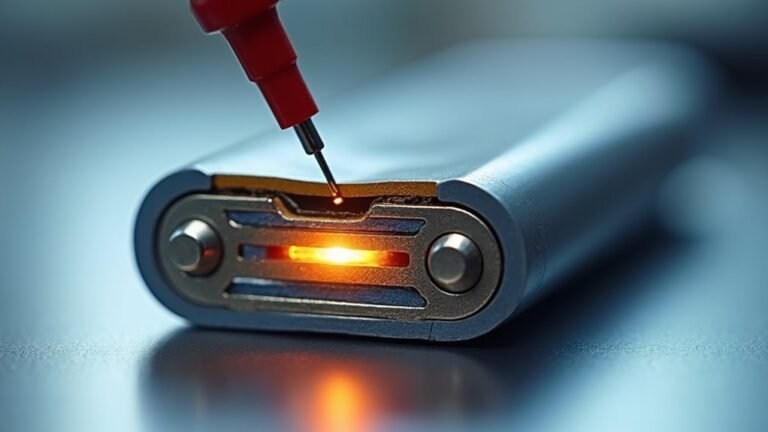
Heat also pushes the electrolyte and SEI layer to deteriorate faster, which adds more stress inside the cell. Should temperatures keep rising, the battery can lose stability and edge closer to thermal runaway, a dangerous chain reaction.
You can’t always avoid every hot day, but you can keep your device out of parked cars, sunny windows, and other cramped, sweaty spots where batteries really don’t belong.
How Charging Habits Affect Battery Life
- Plug in around 20% to 80%.
- Avoid leaving it at 100% overnight.
- Use trickle charging only whenever needed.
- Skip fast charging whenever you don’t need it.
These habits won’t make your battery immortal, but they can help your device stay reliable and feel like it’s part of your daily crew.
Cycle Life vs. Calendar Age
Whenever you look at lithium-ion batteries, it helps to separate cycle life from calendar age because they don’t wear out in the same way. Cycle life tracks how many times you charge and use the battery, while calendar age keeps moving even while it sits still.
Your usage patterns matter, so heavy daily cycling usually cuts runtime faster. But time can still chip away at capacity during storage, especially whenever heat and high charge levels stay around. That’s why smart storage recommendations can make a real difference for your gear and peace of mind.
You can help your battery stay in the group longer by keeping it cool, avoiding full charge for long idle periods, and matching charging habits to how you actually use it.
Can an Aged Lithium-Ion Battery Be Fixed?
An aged lithium-ion battery usually can’t go back to brand-new condition, but it isn’t always a lost cause. You can often recover some usefulness provided the cell is safe and still stable.
Initially, get a full examination.
- Check capacity.
- Measure internal resistance.
- Watch heat during use.
- Compare results with performance benchmarking.
Should the battery only feel tired, remanufacturing processes or pack-level repair could help through replacing weak parts. You still need to respect limits, because damaged cells can’t truly heal. So you should treat the battery like a teammate that needs support, not a miracle. That mindset helps you make smarter choices and stay part of the group that values safe, practical reuse.
How to Slow Lithium-Ion Battery Aging
Start by treating your lithium-ion battery like an animate system that detests stress, because small daily habits can slow aging more than you could envision. You’ll help it most avoiding full charges all the time and via keeping it away from heat, which speeds chemical wear.
Whenever you can, charge in the middle range and unplug before it sits at 100%. For storage, use balanced storage voltages, then park the device in a cool drawer for low temperature preservation.
You should also skip deep drains, since repeated empty cycles strain the cell. Gentle charging, short top-ups, and cooler use all work together.
Provided you’re part of the battery-care crowd, these steps make your gear feel less tired and last longer.
Frequently Asked Questions
Can an Aged Lithium-Ion Battery Suddenly Fail Without Warning?
Yes, it can, and you will not always see it coming. An aged cell might hide sudden venting or internal shorting, especially whenever you push it hard. You are safer once you replace it promptly.
Does Cold Weather Also Affect Lithium-Ion Battery Aging?
Yes, cold weather can slow you down now and age your battery over time too. Low temperature performance drops, electrolyte viscosity rises, and you’ll see weaker power, shorter runtime, and slower charging.
Why Do Some Battery Packs Age Faster Than Others?
You’ll see some packs age faster because cell chemistry and manufacturing variability change how well they resist heat, charging stress, and side reactions. If you store and use them carefully, you can slow that uneven wear.
Can Battery Aging Cause Swelling or Physical Deformation?
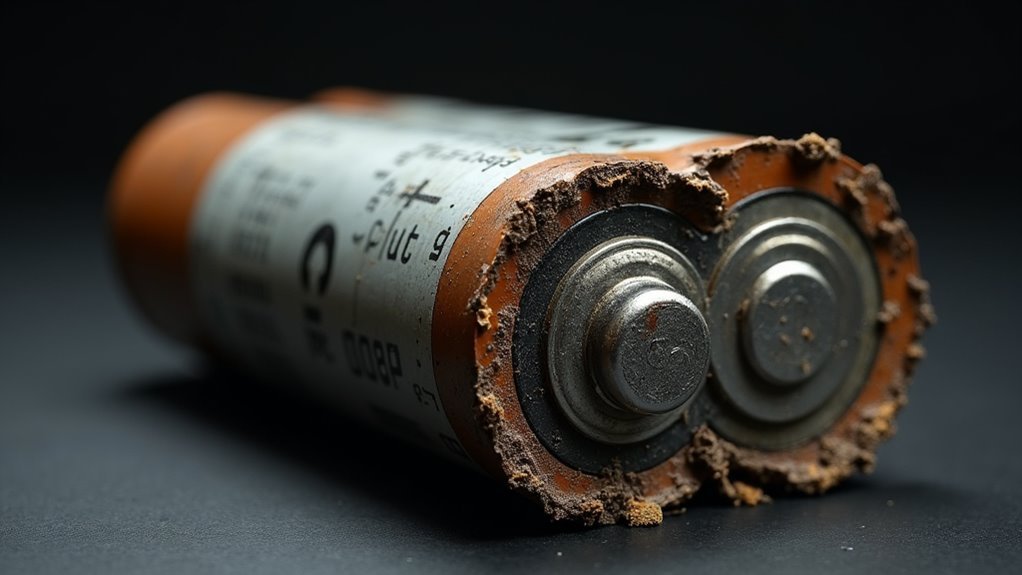
Yes, your battery can swell or deform as aging builds gas, the separator degrades and weakens layers, and the risk of thermal runaway rises. You may notice bulging, heat, or cracking, so you should stop using the device and replace the battery.
Is It Safe to Keep Using a Battery After 80% Capacity?
Usually, you can keep using it, but you’ll notice it’s like a tired teammate, still helpful but less reliable. Watch for heat, swelling, and reduced runtime. For long term storage, keep charge cycles light and replace it soon.