Book Appointment Now

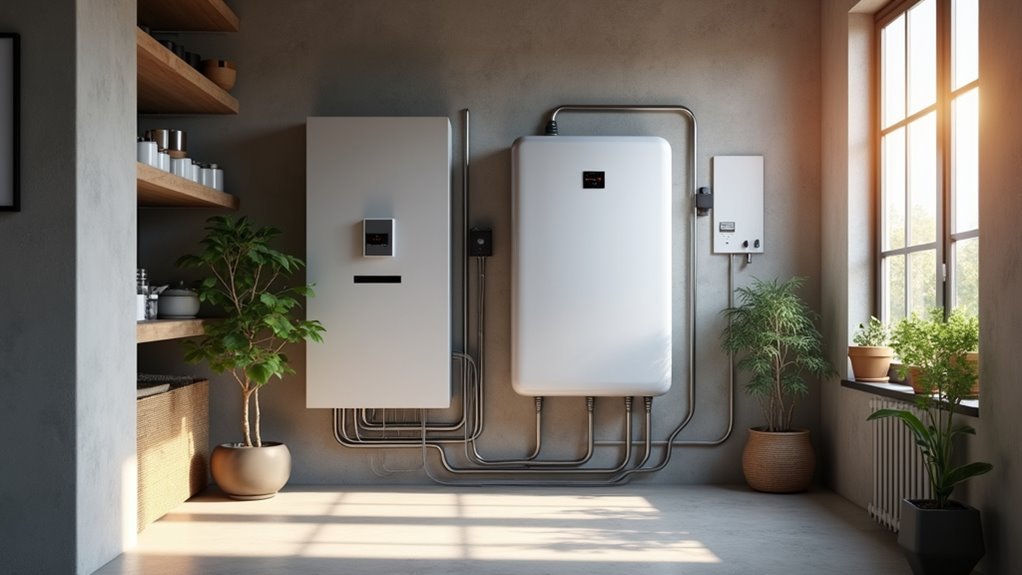
How Home Battery Backup Systems Work
Home battery backup systems store electricity and supply it during power outages. They include batteries, an inverter, and a control unit that manage energy flow in real time. The system charges from solar panels or the grid during low-cost periods and discharges to power selected circuits. Control settings determine which loads are backed up and which are not. Proper sizing and configuration match backup duration and priority loads to household needs.
What Is a Home Battery Backup System
A home battery backup system stores electricity so you’ve got power whenever the grid goes down or whenever energy costs spike. You’re building a safer, steadier home once you add one, and that can feel good.
It holds energy for later use, then sends it to your chosen circuits or your whole house. You can pair it with solar or the grid, depending on your setup.
Many families like the comfort of understanding lights, phones, and key appliances can stay on. It’s also worth checking fire safety steps and permit requirements ahead of time, because good planning keeps your home protected and avoids delays.
In short, you get backup power that fits your routine, supports your people, and gives you a little more control as life gets messy.
How Home Battery Backup Systems Work
Once the grid drops out, your home battery backup system springs into action in seconds. It senses the outage, disconnects your home from the utility line, and keeps power flowing to the circuits you chose.
Should you have solar, it can keep charging while you ride through the blackout, which feels like a small win whenever everyone else is in the dark.
- You get instant backup without starting a fuel generator.
- You stay connected to your essentials, like lights and Wi-Fi.
- You can check battery status and plan use with confidence.
The system also manages charging from the grid whenever rates are lower. It protects battery life, supports fire safety, and follows warranty terms so you know what’s covered.
Main Parts of a Battery Backup System
You rely on the battery bank to store power, and it usually uses lithium-ion cells that pack in a lot of energy without taking up much room.
Then the inverter and control unit step in, turning that stored DC power into the AC power your home can use while keeping everything running safely.
Together, these parts work like a calm backup team, so you can keep the lights on in the event the grid goes out.
Battery Bank Components
The battery bank sits at the heart of a home battery backup system, and it does the heavy lifting whenever the lights go out. You’ll usually find battery modules packed together, plus thermal management that keeps heat in check and helps the system stay safe. Module balancing also matters, because it lets each cell share the load evenly, so your backup feels steady, not cranky.
- The battery pack stores energy for outages.
- Sensors watch temperature and charge levels.
- Wiring connects the bank to the rest of your setup.
Once you understand these parts, you can feel more at home with the system. Each piece works together, so your house gets dependable support in the event you need it most, without drama or guesswork.
Inverter And Control Unit
At the center of the system, the inverter and control unit turn stored battery power into the kind of electricity your home can actually use.
You rely on these power electronics to change DC from the battery into smooth AC for lights, outlets, and appliances. The control unit watches battery level, home demand, and grid synchronization, so everything stays in step without stress.
Whenever the grid fails, it disconnects your home fast, then sends backup power to the circuits you’ve chosen. Should solar panels be part of your setup, it can help them keep working too. It also limits output, protects the battery, and shifts power back once utility service returns.
That means you get steady support, even while the world feels a little shaky.
How Batteries Store Energy
Inside a home battery, energy doesn’t sit there like water in a tank, but it does get held in a very controlled way. You’re really storing charge inside battery cells, and that charge stays ready until you need it. The chemistry keeps electrons in a balanced state, while thermal management helps the pack stay safe and steady.
- Your battery charges from solar or the grid.
- It holds energy in DC form for later use.
- It works with recycling programs, so old cells can be handled responsibly.
Because the system watches voltage and temperature, you get dependable storage without extra fuss. That control helps protect battery life, and it makes your home feel prepared, calm, and a little more in charge.
What Happens During a Power Outage
Once the grid goes down, your home battery system can react almost right away and keep the lights on without making you scramble. It senses the outage, disconnects from the utility, and feeds your chosen circuits, so emergency lighting stays steady while your family settles in. You’re not alone in the dark; you’re backed by a system built for moments like this.
| Step | What you notice |
|---|---|
| Grid fails | Power stays on |
| Battery kicks in | Key rooms keep running |
| Grid returns | System switches back |
That quick handoff supports community resilience, because your home keeps helping itself during the neighborhood needs calm most. From there, the battery manages what you use, so crucial devices keep going and stress stays low.
How Home Battery Backup Works With Solar Panels
Whenever your home battery works with solar panels, it turns daylight into quiet backup power you can use later, so the system feels less like a gadget and more like a steady safety net.
You get to store extra energy whenever the sun shines, then lean on it whenever clouds roll in or the grid gets shaky.
- Strong solar compatibility helps your battery charge smoothly.
- Panel orientation matters because the right angle can enhance daily output.
- Your inverter and controls guide power where it’s needed most.
Whenever your panels make more power than you’re using, the battery catches the overflow.
During an outage, it can keep charging whenever sunlight keeps coming and the setup allows it.
That way, you stay connected to your own clean energy with less worry and more control.
What a Home Battery Backup System Can Power
Your home battery backup system can keep the lights on, run your fridge, power Wi-Fi, and support other essential loads whenever the grid goes out.
Should your system be sized for it, you can also back up more of your home, but heavy appliances like air conditioners, electric ovens, and water heaters can drain the battery fast. So, what you can power depends on your battery size, inverter output, and which circuits you choose to protect.
Essential Loads Covered
A home battery backup system can keep the lights on, but it usually does much more than that. You can rely on it for the circuits that help your home feel calm and safe during an outage. These priority circuits often include lights, Wi-Fi, the refrigerator, and a few outlets for phones or medical gear. Because the system focuses on essential loads, it can stretch stored power longer and avoid waste. That’s where load shedding helps.
- Fridge and freezer
- Internet and phone charging
- Bedroom lights and select outlets
You stay connected, comfortable, and part of a prepared home, even if the grid goes down. Your backup system won’t run everything, but it can protect the things that matter most.
Whole-Home Power Limits
Even though whole-home backup sounds simple, it has real limits, and being aware of them helps you plan with less stress. Your battery can often run many rooms, but it can’t ignore service limits or every power-hungry device at once.
Should you try to start the oven, dryer, and air conditioner together, the system could trip or slow down. That’s where load prioritization matters. You choose which circuits stay on, so your home feels steady and familiar during an outage.
In a larger setup, a strong inverter and enough battery capacity can cover more of your daily routine, yet runtime still drops fast whenever heavy loads kick in. So, you get the most comfort when you match your needs to the system’s real output.
How Long Battery Backup Power Lasts
At the time the power goes out, how long your home battery backup lasts depends mostly on how much energy it stores and how much your home is using.
In the event you’ve done capacity testing, you’ll know your real run time better, not just the label on the box. For emergency communication, that matters a lot, because you can keep phones, lights, and Wi-Fi alive longer.
- Small loads stretch power for many hours.
- Heavy loads can empty it fast.
- Smart use helps your backup feel more like a team than a solo act.
Charging Options for Home Battery Systems
You can charge a home battery with solar power as long as your panels make more electricity than your home uses, so that extra energy doesn’t go to waste.
You can also let it charge from the grid, which helps whenever sunlight is low or electricity costs less at certain times.
Some systems can even mix both methods, giving you a steadier way to keep backup power ready.
Solar Charging Methods
Solar panels can do more than run your home during the day because they can also feed your battery system with clean power for later use. You get the most from this setup whenever your panels send extra midday energy into storage instead of wasting it.
- Your system watches solar output and battery state in real time.
- Whenever your home uses less than the panels make, charging starts.
- Should clouds pass, panel throttling can trim output gently, while islanding protection keeps the home safe during outages.
This setup helps you feel ready and included in your own energy plan. You’re not just using power; you’re building it for the quiet hours, too.
Whenever sunlight returns, your battery starts refilling again, so your backup stays prepared without extra fuss.
Grid Charging Options
As daylight fades or clouds cut solar output, your home battery can still keep working via drawing power from the utility grid. You stay ready, and your system can recharge while rates are lower. That helps with time of use savings and keeps you prepared for the next outage.
| Option | Benefit |
|---|---|
| Off-peak charging | Fills the battery when power costs less |
| Demand response | Lets your utility support the grid and rewards you |
| Automatic recharge | Refills the battery after service returns |
Your monitoring system usually picks the best window, so you don’t have to chase settings all day. Should your area offer demand response, you can join a shared effort that feels good and can trim costs. Grid charging gives you steady backup, calm control, and a stronger sense that your home belongs to a resilient community.
What Affects Battery Performance
Battery performance depends on a few key things, and being aware of them can save you a lot of worry during an outage. You want your system to feel steady and ready, and that starts with how you treat it.
Temperature effects matter a lot because heat speeds wear, and cold can cut output when you need it most. Over time, chemical degradation slowly trims capacity, so you might notice shorter backup times.
- Keep the battery in a cool, dry spot.
- Avoid heavy loads that push it too hard.
- Check the monitor often so you know its state.
Whenever you charge smartly and use power wisely, you help your battery stay part of your home team. Small habits like these make a real difference, and they’re easier than you could imagine.
Common Types of Home Battery Systems
Once you start comparing home battery systems, the main types usually come down to how they connect to your home and what kind of backup they can give you.
You’ll usually see AC-coupled systems, which add an inverter beside your solar setup, and DC-coupled systems, which share power more directly with the panels.
You could also meet all-in-one units that bundle the battery, inverter, and controls in one cabinet, making the setup feel neat and familiar.
Some systems back up only a few essential circuits, while others can support the whole house.
As you look at each type, you’ll notice differences in fire safety features, monitoring, and even recycling programs for old batteries.
That helps you feel confident, connected, and ready for outages.
How to Choose the Right Home Battery Backup System
Choosing the right home battery backup system starts with a clear look at how you live and what you need to keep running whenever the power goes out. Consider your fridge, lights, Wi-Fi, and any medical devices, then match that load to the battery’s power and runtime. You’ll also want to check:
- whether it backs up essential circuits or the whole home
- how it recharges from solar or the grid
- warranty considerations and installation timelines
Next, compare inverter size, monitoring features, and upgrade options. Should you expect longer outages, choose a system with more capacity and fast switchover. Once you talk with installers, ask direct questions so you feel confident, not rushed. The right fit should help you feel prepared, connected, and calm whenever the lights blink out.
Frequently Asked Questions
Can Home Battery Systems Be Installed Outdoors?
Yes, you can install home battery systems outdoors, provided they meet weatherproofing standards and use outdoor enclosures. About 85 to 95 percent efficiency means you are still keeping plenty of power close, safe, and ready for your home.
Do Battery Backups Require Regular Maintenance?
Usually you won’t need much maintenance, but you should check performance, keep vents clear, and review warranty terms. Follow battery recycling guidance when replacement time comes, and you will protect your system and community.
Are Home Battery Systems Noisy During Operation?
Usually you will not notice much noise; most home battery systems hum quietly or remain nearly silent. During installation you might hear some noise from the installers and equipment. Proper placement helps protect battery lifespan and keeps your home comfortable.
Can They Work With Electric Vehicles?
Yes, you can pair them with EVs, and they will act like a quiet range extender, keeping you moving as the grid wavers. You will belong to a smarter energy circle, charging your vehicle to stay ready.
What Happens if the Battery System Fails?
If the battery system fails, you will likely lose backup power and your home may revert to grid power only. Safety protocols will take effect, and battery degradation or component faults can trigger alarms, shutdowns, and service calls.