Book Appointment Now

Why Rechargeable Batteries Lose Capacity
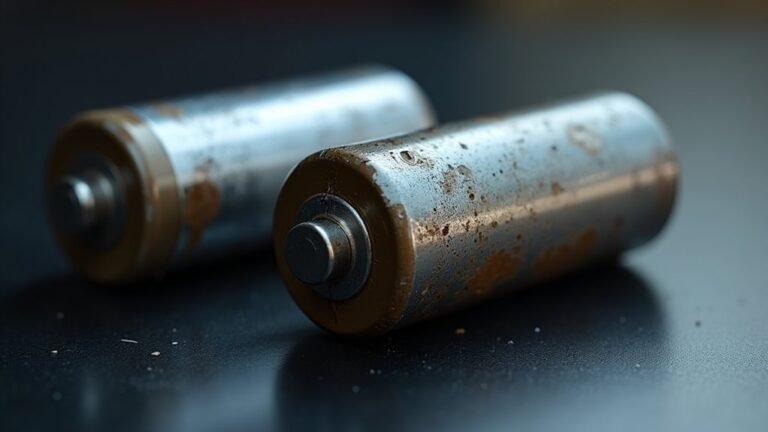
Rechargeable batteries lose capacity gradually because chemical reactions inside them wear down the materials that store charge. Each charge cycle causes tiny structural changes that reduce how much lithium or other ions can move. Heat, fast charging, and deep discharges accelerate that wear. Even during storage, slow chemical side reactions consume active material and electrolyte. After a year or two this cumulative damage shows up as shorter run times and less total charge.
What Causes Rechargeable Battery Capacity Loss?
Usually, rechargeable batteries don’t lose capacity all at once, and that can make the problem feel confusing. You’re not doing anything wrong. Inside the cell, electrode delamination can slowly separate layers, so parts of the battery stop helping as much. At the same time, electrolyte contamination can trigger side reactions that eat away at useful material.
These changes don’t happen in one big event. They build up through normal use, age, and heat. As that happens, the battery can store less energy and deliver it less smoothly. So should your battery feels weaker, you’re seeing wear inside, not a failure of your care. That’s why capacity loss often shows up little by little, with one tired charge after another.
How Charge Cycles Wear Batteries Down
Each time you charge and discharge a battery, you put stress on its inside parts, and that wear adds up over time.
Those cycles also speed up electrolyte breakdown, which can form side products that get in the way of smooth energy flow.
Charge Cycle Stress
Every charge and discharge cycle gently but steadily wears a battery down. Each pass moves ions through the electrodes, and that motion slowly leaves cell microfractures and lowers electrode porosity.
You don’t notice it initially, but the inside starts to age a little with every full refill and emptying. As the structure weakens, fewer paths stay open for charge to move, so the battery can’t hold as much power.
Should you charge often, push it to empty, or keep it at the top too long, you speed up that stress. Still, this is normal wear, not a sudden failure.
Whenever you treat your battery with steady habits, you give it a better chance to stay strong for longer, and that helps you feel more confident using it every day.
Electrolyte Degradation
Behind the scenes, the electrolyte does a lot of quiet work, and charge cycles can slowly wear it down.
As you keep using your battery, its liquid mix can break apart, and solvent decomposition starts to form waste that steals energy.
That damage also weakens ion flow, so your battery can’t move charge as smoothly.
Electrolyte additives help slow this process, but they can only do so much.
Over time, side reactions build up, and the battery feels tired sooner than you expect.
You’re not doing anything wrong.
This aging is normal, especially with heat, fast charging, or deep cycling.
Still, whenever the electrolyte stays healthier, your battery keeps more of its strength, and you get more reliable power from the device you already trust.
How Heat Speeds Up Battery Aging
Heat doesn’t just warm up a battery, it quietly speeds up the wear inside it. Whenever you leave a cell in a hot car or near a window, the chemistry moves faster because heat lowers the activation energy for side reactions. That means the electrolyte, electrodes, and SEI layer keep reacting even though you’re not using the battery. Over time, those reactions steal active material and trim capacity. In extreme cases, heat can also push a battery toward thermal runaway, where damage grows very quickly.
You don’t have to panic, though. Provided you keep your devices cool and out of direct sun, you give the battery a calmer life and help it hold more of its charge for longer.
Why Fast Charging Hurts Battery Health
Fast charging can feel like a win, because you get back to full power much sooner, but your battery often pays the price. You belong to the crowd that wants speed and care, yet the cell inside needs balance. Whenever current rushes in, ions might not move evenly, so rapid lithium plating can form and steal space for storage. At the same time, fast thermal gradients can stress the materials and raise resistance.
| Speed | What you notice | What happens inside |
|---|---|---|
| Very fast | Short wait | More strain |
| Fast | Warm case | Uneven ion flow |
| Moderate | Better feel | Less stress |
| Gentle | Slower fill | Healthier cell |
That’s why steady charging often helps your battery stay strong longer.
How Overcharging and Deep Discharge Damage Batteries
Whenever you overcharge a battery, you push it past its safe limit, and that extra stress can heat it up and wear down its inner parts.
In case you drain it too deeply, you can damage the electrodes and make it harder for the battery to hold a full charge later.
Over time, both habits cut cycle life, so your battery starts fading sooner than it should.
Overcharge Stress Effects
Overcharging can quietly wear a battery down, and deep discharge can do damage too, because both push the cell outside the range it was built to handle. You mightn’t notice the strain right away, but the battery does. Whenever charge keeps flowing, heat rises, side reactions speed up, and cell swelling can start. That stress also shifts voltage hysteresis, so the battery feels less steady during use.
- extra heat builds fast
- electrodes age unevenly
- insulation layers form sooner
- useful capacity slips away
- safety margins shrink
If you want your pack to last, treat full charge and empty states with care. Small habits help you stay in step with the battery, and it’ll usually return the favor with steadier performance.
Deep Discharge Damage
Deep discharge can be just as hard on a battery as overcharging, because pulling it too low pushes the cell past the range it was built to handle. Whenever you keep using it after the voltage drops, the weakest cell can slip into cell reversal, which strains the whole pack.
Inside the battery, the electrodes can lose their shape, and electrode pulverization can start as materials crack and flake away. That damage blocks the smooth movement of ions, so you feel less power when you need it most.
Should you want your battery to stay dependable, treat deep discharge like a warning light, not a challenge. You’ll give your gear a better chance to stay strong, steady, and ready for the next use.
Cycle Life Reduction
Battery life doesn’t usually drop all at once, and that can make the slow fade feel frustrating. You’re not alone whenever a pack quits sooner than you hoped.
Each cycle adds stress, and over time that stress shortens cycle life. Should you push too far, you invite:
- more heat
- faster SEI growth
- lithium plating
- electrode delamination
- mechanical strain
Overcharging can force extra reactions, while deep discharge can leave cells in a rough state for the next charge. Together, they wear down the parts that store energy and move ions.
Thus, whenever you charge calmly and avoid emptying the battery too far, you help it stay useful longer. That small habit can save you from the annoying “why is it already full?” moment.
How Battery Chemistry Affects Lifespan
Different battery chemistries wear out in different ways, and that’s why lifespan can vary so much from one device to another.
You might notice that electrode composition and ion mobility shape how fast your battery ages. In lithium-ion cells, repeated charging can slowly damage electrodes, while the SEI layer grows and steals active material. That means the pack could hold less energy over time.
Other chemistries, like nickel-based batteries, can lose capacity through different internal changes and still feel familiar to you.
Your charging habits matter too, because heat and deep cycles stress the chemistry that keeps ions moving. Once you understand the battery type in your gear, you can feel more confident choosing and using it with care.
How Batteries Age Even When Unused
Even whenever you leave a rechargeable battery sitting on a shelf, it slowly loses charge on its own through self-discharge.
Over time, chemical reactions inside the cell keep moving, and they can deteriorate materials even without use.
Self-Discharge Over Time
Quietly, a rechargeable battery keeps aging even while it sits on a shelf, because tiny self-discharge reactions still happen inside it. You mightn’t notice it right away, but the charge slips away, and voltage drift can make the pack seem weaker than it is. That’s normal, and you’re not alone in seeing it.
- Standby leakage slowly sips power.
- Heat makes that loss move faster.
- A full battery still fades over time.
- Low-drain gear can expose it sooner.
- Regular checks help you stay ready.
Chemical Breakdown In Storage
Whenever a battery sits unused, it doesn’t freeze in time. Inside, storage decomposition keeps moving, even in the dark. Tiny sealed cell reactions slowly use up active material and create byproducts that crowd the works. You don’t see it, but the chemistry keeps changing, and that change trims your battery’s future reach.
Heat makes this happen faster. Should you store batteries in a warm place, side reactions speed up, and the battery loses more usable charge before you ever plug it in. Over time, the electrolyte, electrodes, and protective layers all shift a little more. That’s why a battery can look fine on the outside yet feel weaker later. You’re not doing anything wrong; you’re just seeing normal aging during storage.
Signs Your Rechargeable Battery Is Wearing Out
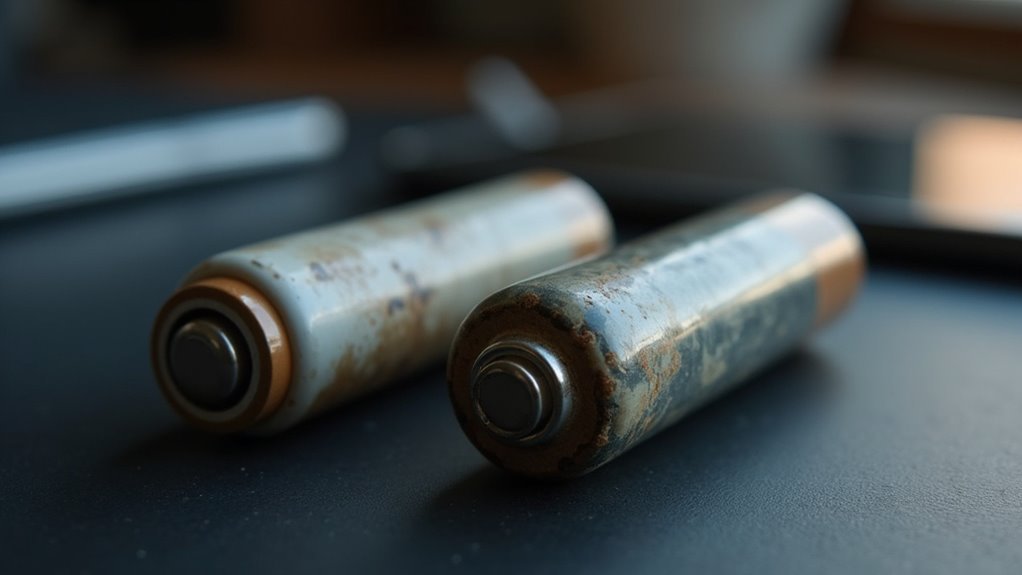
Usually, a rechargeable battery starts giving you small clues long before it fails completely. You might notice reduced runtime, slower charging, or power drops when you need it most. Those signs can feel annoying, but they’re common, and you’re not the only one coping with them.
Watch for these changes:
- the device shuts off prematurely
- the battery feels hotter than usual
- the case looks swollen
- charging takes longer than before
- the level drops fast after unplugging
If you spot a swelling case, stop using it right away. Also, older batteries could struggle after many cycles, so your gear could just need a fresh pack. Paying attention now helps you avoid surprise outages and keeps your routine steady.
Battery Calibration vs. Real Capacity Loss
Not every battery that seems tired has truly lost its punch. Before you blame real wear, check calibration. Your device could misread the battery’s state of health, so the meter shows empty too soon or full too prematurely. That can happen after odd charging habits, sudden shutdowns, or long storage.
You might also see voltage drift, where the displayed charge level slips even though the cells still have usable energy. Real capacity loss is different because the battery truly stores less power, and each full charge gives you less runtime. Should a reset or full charge cycle restore normal readings, you were likely seeing a gauge issue. Should the same short runtime keep coming back, your battery’s body, not just its badge, has aged.
How to Slow Rechargeable Battery Capacity Loss
You can slow battery capacity loss with a few steady habits that protect the cell from extra stress. Whenever you care for it day by day, it keeps pace with your routine instead of fighting it.
- Use moderate charging, not constant top-offs.
- Keep smart temperature control avoiding hot cars and freezing rooms.
- Let the battery rest between heavy uses.
- Store it partly charged unless you won’t use it soon.
- Unplug once it’s full, whenever you can.
These small moves help limit heat, chemical wear, and strain on the electrodes. They also give you a better shot at longer life without changing your whole day.
In case your battery feels warm, pause and let it cool. That little break can save a lot of capacity later, and it’s one of the kindest habits you could build.
Charging Habits That Protect Battery Health
Good charging habits can take a big bite out of battery wear, and that matters because the charger is where a lot of concealed stress starts.
You don’t need perfect routines, just steady ones that fit your day. Try moderate charging instead of pushing the battery to full all the time, because less extreme charging gives the cells a calmer life.
Partial charges can help too, since topping up before you hit empty keeps strain lower and feels easy to keep doing.
Also, unplug once you’re charged enough, and avoid letting the battery sit hot while connected.
Should you charge in short, regular sessions, you’ll often give yourself fewer worries and a battery that stays more dependable for the people you count on.
When to Replace a Rechargeable Battery
Even the best charging habits can’t stop a battery from aging forever, so there comes a point at which a replacement makes more sense than another round of hoping for a full day of power.
You’ll notice replacement indicators whenever your device dies prematurely, charges slowly, or feels warm often. These signs help you compare your battery’s health with end of life thresholds.
- It drops below 80% of its original runtime.
- It shuts off at 20% or higher.
- It swells, leaks, or smells odd.
- It needs frequent top-offs to stay useful.
- It no longer holds charge overnight.
Whenever these changes keep showing up, you’re not failing the battery; it’s simply reaching the finish line. Replacing it can bring back the dependable routine your day deserves.
Frequently Asked Questions
Can a Battery Regain Lost Capacity After Complete Discharge?
Usually no; you can’t truly regain lost capacity after a complete discharge. You may see a brief increase from deep cycling or electrolyte rejuvenation tricks, but the battery will still have permanent wear and reduced storage overall.
Does Storage at Full Charge Speed up Capacity Loss?
Yes — storing your battery at full charge can speed up capacity loss; you’re keeping it under high voltage stress, which accelerates calendar aging. About 500 to 1,000 cycles are typical, so you’ll feel the difference sooner.
Why Do Some Batteries Lose Capacity Unevenly Across Cells?
You see uneven capacity loss because cell imbalance and manufacturing variability cause some cells to age faster. You will notice greater stress, weaker chemistry, and different charge patterns, so one cell drags the pack down sooner than the others.
Can Firmware Updates Improve a Battery’s Reported Capacity?
Yes, if you update firmware you can improve reported capacity. For example, your laptop could show 85% instead of 78% after better calibration algorithms enhance reporting accuracy and help you trust your device again.
Are Capacity Fade and Self-Discharge the Same Thing?
No, you are seeing two different losses. Capacity fade permanently reduces what you can store, while self discharge drains charge during idle time. As batteries age, you will also notice internal resistance increase, making usable power feel even lower.