Book Appointment Now

Alkaline Battery vs Lithium Battery Comparison
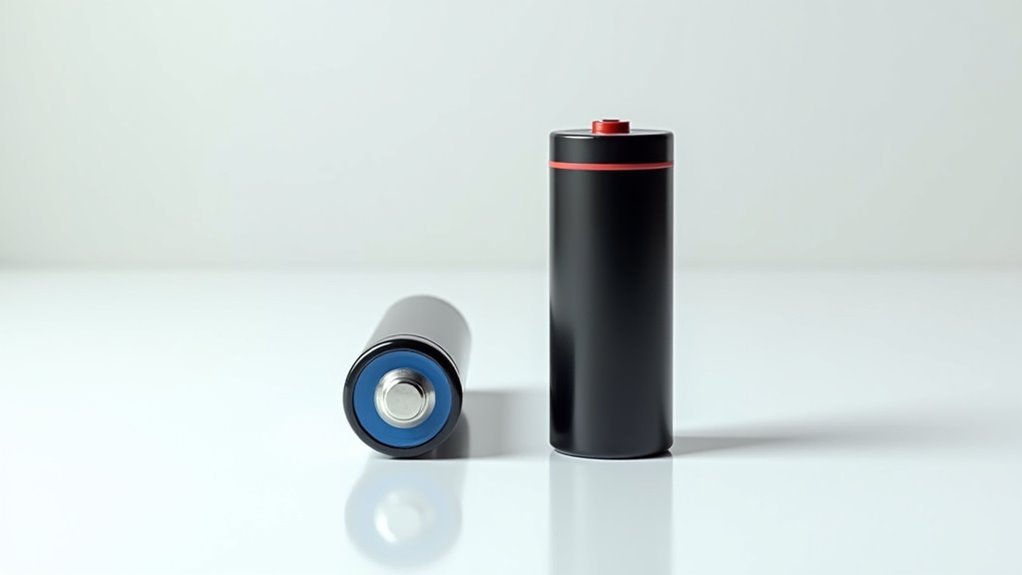
Alkaline batteries cost less and work well for low-drain devices. Lithium batteries last longer, deliver steadier voltage, and handle high-drain devices better. Shelf life is much longer for lithium cells, reducing replacement frequency. Lithium performs better in extreme temperatures and has a lower leak risk. Choose alkaline for cheap, occasional use and lithium for reliability, longevity, and demanding electronics.
What’s the Difference Between Alkaline and Lithium Batteries?
At initial glance, alkaline and lithium batteries could seem almost the same, but they differ in a few significant ways that can change how well your device functions.
You’ll notice the biggest gap in chemistry and construction. Alkaline cells use zinc and manganese dioxide, while lithium cells use lithium-based materials. Those manufacturing differences affect voltage, weight, and how steadily power flows.
In many devices, lithium gives you a lighter feel and a stronger output, which can be a real relief whenever you want dependable performance.
Also, legal regulations can shape how each battery ships, stores, and gets recycled. So, whereas you compare them, you’re not just picking a battery. You’re choosing a fit for your gear, your budget, and your everyday needs.
Which Battery Lasts Longer?
At the point you ask which battery lasts longer, you need to look at both energy density and self-discharge rate.
Lithium batteries usually store more energy in the same size, so they often keep your device running longer between swaps. They also lose power more slowly whenever sitting on a shelf, which can save you from that annoying dead-battery surprise.
Energy Density
Energy density is the big reason one battery can keep your device running longer than another, and lithium usually wins this race via a wide margin.
Whenever you compare energy density, you’ll see that lithium packs more gravimetric energy into less weight, while alkaline batteries give up sooner.
That matters whenever you want your gear to feel lighter and last longer. In material sourcing and design, lithium cells often use advanced materials that support stronger output and better volumetric comparisons.
Self-Discharge Rate
Battery power matters, but so does how much of that power sits waiting on the shelf. Whenever you compare self discharge, lithium usually gives you better charge retention than alkaline.
That means your spare battery stays ready longer, and you won’t feel let down when you need it most. Alkaline cells can lose power faster, especially with warm storage temperature, so capacity fade could show up before you even use them.
Lithium batteries usually hold their charge more steadily, even over months, and that helps you keep trust in your gear. Should you want batteries for emergencies, travel, or backup devices, lithium often wins here.
In case you use power quickly, alkaline can still fit, but for longer waiting time, lithium keeps you covered better.
Which Battery Performs Better in High-Drain Devices?
In high-drain devices, lithium batteries usually pull ahead because they can deliver more power with less drop in voltage. You’ll notice steadier performance in cameras, game controllers, and flashlights, so your gear feels ready whenever you need it most.
Alkaline cells can slow down under heavy loads, and that can trigger battery throttling in some devices. Their discharge curves dip faster, which means your device might lose punch sooner and act tired before the battery is fully empty.
Lithium stays more stable, so you get smoother output and fewer annoying pauses. Should you want dependable power for a busy device, lithium helps you stay in the game with less frustration and more confidence.
How Do Shelf Life and Cost Compare?
A long-lasting choice can feel like a relief whenever you’re tired of swapping out dead batteries. You’ll notice alkaline batteries usually win on upfront price because their manufacturing costs stay low and their retail pricing feels friendly at the store. That makes them easy to grab for everyday gear.
Lithium batteries cost more at checkout, sometimes much more, yet you might replace them less often because they stay useful longer. So, provided you value fewer changes and less hassle, the higher price can feel worth it. Should you just want a simple, budget-friendly pack for the shelf, alkaline can fit your routine well.
In both cases, you’re choosing between saving money now or stretching value over time.
When Should You Use Alkaline Batteries?
Whenever your device doesn’t ask for much, alkaline batteries can make a lot of sense. They fit well in budget devices, where you want steady power without spending extra. You’ll also feel right at home using them in simple gear that runs for short bursts, like toys or wall clocks.
- Pick them for remotes and clocks.
- Keep them in emergency kits for lights and radios.
- Use them whenever you replace batteries often.
- Choose them for devices that sip power, not gulp it.
Because they cost less upfront, you can stock up without stress. And since they’re familiar and easy to find, you won’t waste time hunting for the right pack.
Should you desire practical power that keeps life simple, alkaline batteries can do the job well.
When Should You Use Lithium Batteries?
You should use lithium batteries whenever your device pulls a lot of power, because they keep up better under heavy use and stay steady longer.
They’re also a smart pick whenever you want reliable performance in cameras, tools, or outdoor gear where weak batteries can get frustrating fast.
In case you plan to store batteries for a while, lithium can help too, since it usually holds its charge longer and handles temperature swings better.
High-Drain Devices
Whenever your device draws a lot of power in short bursts or keeps pulling hard for long periods, lithium batteries usually make the better choice.
You’ll notice the difference fast whenever a tool, camera, or flashlight asks for steady strength.
At high drain thresholds, alkaline cells sag sooner, while lithium stays calmer and gives you smoother output.
That also helps with thermal management, since your device doesn’t have to work as hard.
- Use lithium for game controllers.
- Use lithium for wireless cameras.
- Use lithium for power tools.
- Use lithium for outdoor gear.
Long-Term Storage
Storing batteries for a long stretch can feel tricky, but lithium usually makes the choice easier whenever you need power to stay ready. You get better shelf life, steadier voltage, and less worry whenever you tuck them away for months or years.
For best storage, keep them cool, dry, and partly charged whenever they’re rechargeable. That helps protect capacity and supports corrosion prevention in your gear.
In case you use devices only now and then, lithium batteries can sit idle longer than alkaline cells without leaking or fading as fast. That means you can keep backups for flashlights, cameras, and trail gear with more confidence.
Whenever you want dependable readiness, lithium fits your team.
How Do They Handle Heat and Leaks?
Whenever heat enters the image, lithium batteries usually handle it better than alkaline batteries because their chemistry stays steadier under stress. You’ll notice stronger thermal resilience, which helps them keep working in warm gear.
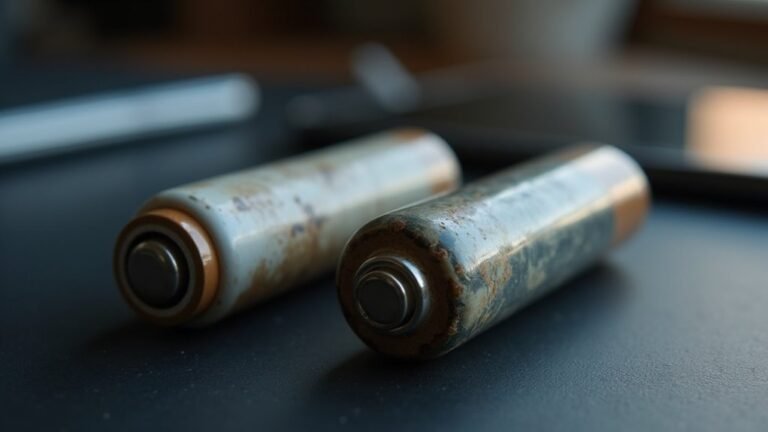
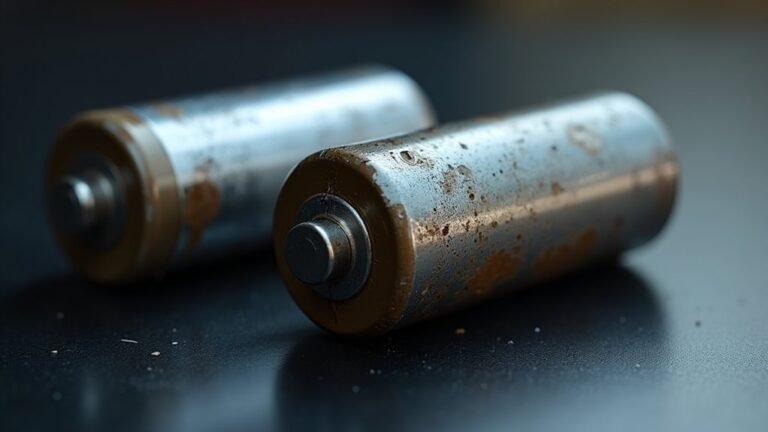
Alkaline cells can swell or leak sooner, so you want their leak resistance in mind whenever they sit in a hot drawer or sunny car.
- Lithium stays steadier in heat.
- Alkaline can seep whenever stressed.
- Cooler storage helps both.
- Your device stays cleaner with lithium.
How Safe and Eco-Friendly Are They?
Heat and leaks matter, but safety and eco-friendliness shape what you live with every day. When you handle alkaline batteries, you usually get a simple, familiar option with low risk in basic devices.
Lithium batteries can feel more advanced, and they often stay steadier, but you still need to respect their higher energy and follow device rules. For the planet, lithium’s longer life can cut waste because you replace them less often.
Still, manufacturing emissions can be higher, so the full picture matters. Alkaline batteries might seem easier at the outset, yet recycling accessibility can vary by area, and that affects how well you can keep them out of trash.
Which Battery Should You Choose?
Picking the right battery usually comes down to how you use it, not just what costs less at the store. For battery selection, consider about your daily routine and device compatibility. Should you want easy power for remotes, clocks, or toys, alkaline can fit the job and save money today. In case your gear works hard, lithium often gives you steadier power and longer life.
- Choose alkaline for low-drain devices.
- Choose lithium for cameras, tools, and outdoor use.
- Check device compatibility before you buy.
- Pick rechargeable lithium when you use batteries often.
That way, you join the crowd that gets reliable power without the guesswork. And honestly, fewer battery swaps can make life feel a lot less annoying.
Frequently Asked Questions
Can Alkaline and Lithium Batteries Be Mixed in One Device?
No, you should not mix alkaline and lithium batteries in one device. Mixing chemistries can cause uneven voltage and higher internal resistance, so you will get poorer performance, possible leaks, and reduced battery life.
Are Lithium Batteries Safe to Travel With on Airplanes?
Yes, you can fly with lithium batteries, but you must follow airline regulations and carry restrictions. Consider them as passported sparks: kept in your carry on, they will travel safely with the crew.
Do Lithium Batteries Require a Special Charger?
Usually you don’t need a special charger, but you do need one matched to your battery chemistry. For safe fast charging and longer life, use the manufacturer’s recommended charger, and you’ll stay confident and included.
What Causes Battery Leakage in Alkaline Cells?
Alkaline cells leak when chemical corrosion damages the metal can and the seal fails, allowing potassium hydroxide to escape. Protect your equipment by removing old batteries promptly and storing replacements in a cool, dry place, ideally with like batteries together.
Can You Recharge Regular Alkaline Batteries Safely?
No; you should not recharge regular alkaline batteries. They are not designed for repeated charging and attempting to recharge them can cause leakage or rupture. For reliable, safe reuse choose batteries specifically designed to be rechargeable.