Book Appointment Now

How Battery Chemistry Affects Electric Vehicle Performance
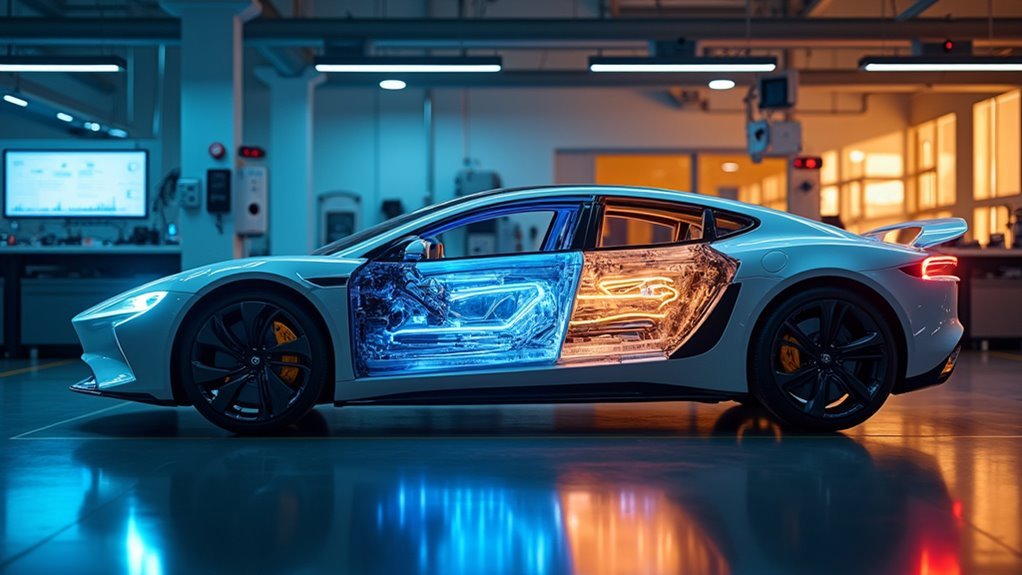
Battery chemistry determines an EV’s real-world range, charging speed, thermal behavior, safety, and lifespan. Nickel-rich chemistries (NMC/NCA) deliver higher energy density for longer range and stronger acceleration. Lithium iron phosphate (LFP) offers lower cost, greater thermal stability, and more charge/discharge cycles. Charging performance shifts with chemistry: high-nickel packs are more sensitive to fast charging and temperature, while LFP accepts rapid charging with less stress. Climate, driving patterns, and pack management systems interact with chemistry to shape daily EV performance.
What EV Battery Chemistry Is
Battery chemistry is the recipe inside an EV’s battery pack, and it shapes how far you can drive, how long the pack lasts, how safely it runs, and how much it costs. You’re not just picking a power source. You’re choosing the mix of materials and reactions that store and release energy for your ride.
That mix can lean toward longer range, longer life, better safety, or lower price, so it helps you feel like the car fits your life.
As you compare options, you’ll hear names like LFP, NMC, and NCA. Each one brings a different balance, and that’s where solid state prospects and recycling innovations come in. These advances point to future packs that might charge smarter, last longer, and recover materials more cleanly, helping you stay part of a growing EV community.
Why Lithium-Ion Batteries Dominate EVs
You get more miles from a smaller, lighter pack because lithium-ion cells pack in a lot of energy.
You also benefit from long cycle life, so your battery can keep working well through many charge and drive cycles.
And whenever you need to top up fast, these batteries can handle quick charging better than many older options, which makes daily driving feel a lot less stressful.
Energy Density Advantages
The big reason lithium-ion batteries rule today’s EVs is simple: they pack a lot of energy into a small, light space. You feel that advantage every time your car goes farther without getting bulky.
Because of smart cell design, makers can use pack optimization and module scaling to fit more driving range into the same footprint. That helps keep your EV nimble, not heavy.
Better thermal management also protects that energy, so you get strong performance without wasting space on extra cooling hardware. Compared with lower-density chemistries, lithium-ion lets you belong to the longer-range crowd without paying a weight penalty.
Long Cycle Lifespan
Range matters, but so does staying power, and that’s where long cycle life starts to shine. You want a battery that keeps pulling its weight year after year, not one that fades fast.
That’s why lithium-ion chemistries like LFP build trust in EVs. They keep strong capacity retention through thousands of charge cycles, so your daily drive feels steady for longer.
Their chemistry resists key degradation mechanisms, which helps slow the wear that can chip away at usable energy. As a result, you get more years of reliable service and less worry about early pack decline.
For many drivers, that means your car stays part of the family longer, and that’s a win. Whenever you choose a durable pack, you’re choosing confidence, value, and peace of mind every mile.
Fast Charging Capability
Whenever you need a quick top-up, fast charging can make EV life feel a lot easier. You can plug in, grab a coffee, and get back on the road with less waiting. Lithium-ion batteries handle this better than many older chemistries because they accept power quickly while still giving you solid range.
Still, fast charging puts stress on the cells, so battery longevity depends on smart cooling and careful charge control. That’s why some EVs slow the charge rate as the pack fills. You’ll notice this balance in the charging infrastructure too, since stronger stations help you charge faster without pushing the battery too hard.
Whenever the chemistry and hardware work together, you feel like you belong in a smoother, more confident EV routine.
How NMC and LFP Compare
At the time you compare NMC and LFP, you’ll see a clear tradeoff between range, safety, and cost.
NMC usually gives you more energy in a smaller pack, while LFP gives you strong stability, longer cycle life, and a lower price.
That means the better choice depends on what you need most, at which point it’s maximum miles, peace of mind, or long-term value.
Energy Density Differences
Although both chemistries power modern EVs well, NMC usually holds a clear edge in energy density, and that difference shapes a lot of the driving experience. Whenever you choose NMC, you often get more miles from a smaller, lighter pack, thanks to cell layout and material innovations that pack more energy into each cell.
- You might notice a roomier cabin because the battery takes less space.
- You can often go farther before planning a charge.
- You might feel more confident on long trips with fewer stops.
- You still need to balance range with what fits your daily life.
LFP asks for more pack space, but it can still suit you provided short trips and value matter most. Both can work well, yet NMC usually gives you more range in a friendlier size.
Safety And Stability
Because safety affects how you feel about every drive, this is where LFP starts to shine over NMC. You want a battery that stays calm under stress, and LFP does that well. Its chemistry resists heat buildup, so the pack handles abuse with less chance of thermal runaway. NMC can still work safely, but it asks for tighter control because heat can trigger electrolyte breakdown faster.
That difference matters whenever you charge hard, climb hills, or sit in traffic on a hot day. In daily use, LFP gives you a steadier, more relaxed feel. NMC offers strong performance, yet it needs more care to stay stable. So should you value peace of mind, LFP helps you join a driving experience that feels safer, simpler, and more confident.
Cost And Lifespan
A battery that saves you money today can still cost you more later provided it wears out too fast, so lifespan matters just as much as price. When you compare NMC and LFP, you’re really weighing up-front cost against long-term peace of mind. LFP usually wins on price and can lower your total cost over years of driving, especially if you keep the car for a long time.
- LFP often lasts through more charge cycles.
- NMC might fade sooner under hard use.
- LFP fits frequent full charging better.
- Warranty terms still shape your real risk.
How EV Battery Chemistry Affects Range and Charging
At the moment you choose an EV, the battery chemistry does more than sit under the floor, it quietly shapes how far you can go and how often you need to plug in.
In case you want longer trips with fewer stops, nickel rich packs like NMC or NCA usually give you more range because they store more energy in less space.
LFP packs could give you less range, but they often let you charge to 100% with less worry, which helps daily life feel easier.
Temperature effects can change both range and charging speed, so cold mornings might trim miles and slow power flow.
Good charging etiquette matters too.
Should you match your habits to the chemistry, you’ll feel more confident, more settled, and more at home on the road.
How Battery Chemistry Changes Acceleration
Feel how an EV pulls away from a stop, and you’ll notice that battery chemistry can shape that initial burst of speed.
Once you press the pedal, the pack must feed power fast, and that’s where motor torque starts to matter. Nickel-rich cells often give you sharper power delivery, so the car feels keen right away. LFP cells can still move you well, but they might feel a bit calmer at outset.
- Stronger current helps launch
- Heat can soften response
- Cold weather can slow output
- Tuning affects daily feel
How Chemistry Affects Battery Lifespan
At the point you consider battery life, chemistry matters just as much as how you drive. You’ll usually see LFP packs hold up longer because they shrug off full charges and repeated cycling better.
That means fewer worries about premature fade, especially should you be part of a busy daily driving routine. Nickel-rich cells like NMC can give you more range, but they often age faster whenever you lean on quick charging or high heat.
How Battery Chemistry Impacts EV Safety
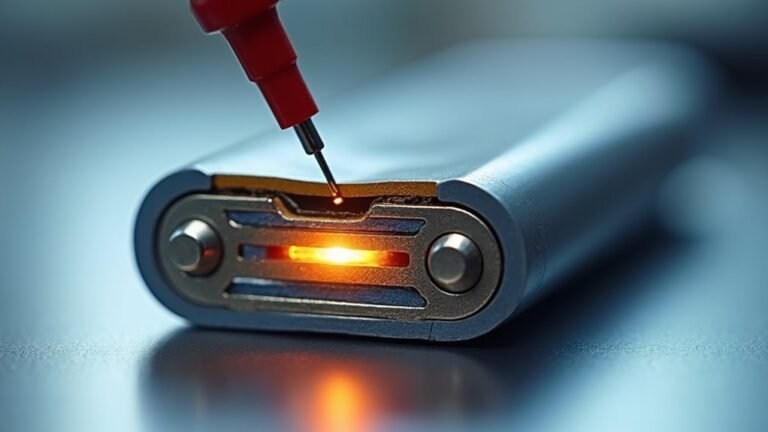
Because battery chemistry shapes how a pack handles heat and stress, it plays a big role in EV safety. You can’t see that chemistry, but you can feel its effect in how calmly your car responds under pressure. Better thermal stability lowers the chance of thermal runaway, while stronger cell venting rates can help manage a fault before it spreads.
- LFP cells usually resist heat better.
- Nickel-rich packs need tighter controls.
- insulation materials help slow heat spread.
- pack compression keeps cells stable in a crash.
Which EV Battery Chemistry Fits Your Needs
In case you’re trying to choose the right EV battery chemistry, the best answer starts with how you actually drive, charge, and use the car.
Should you want long range and quick road trips, NMC or NCA might suit you best.
Should you want lower cost, strong safety, and easy daily charging, LFP often feels like the friendlier match.
You’ll also want to consider thermal management, since heat changes how long the pack lasts.
For high-mileage driving, LFP usually brings calmer wear.
For colder climates or strong resale goals, nickel-rich packs can help provided warranty policies support them.
Also, battery recycling matters, because the chemistry affects future value and parts recovery.
Frequently Asked Questions
Which Chemistry Performs Best in Cold Weather?
LFP usually performs best in cold weather for you, though lithium titanate stays impressively stable. If you want roughly 2,000 to 4,000 cycles, you’ll appreciate its durability; sodium ion potential still looks promising for colder climates.
How Does Battery Chemistry Affect Regenerative Braking?
Battery chemistry affects regenerative braking by changing how much energy recovery you get and how well braking efficiency holds up under load. You will see nickel rich cells often accept stronger regen, while LFP cells offer stability that supports consistent everyday stopping.
Do Different Chemistries Need Different Cooling Systems?
Yes, like tailoring shoes to your stride, you will want different cooling frameworks for different chemistries. Thermal management must match each battery’s heat sensitivity so you can protect range, safety, and long-term performance together.
Can Battery Chemistry Influence Towing Performance?
Yes, it can. You’ll notice stronger towing whenever a chemistry handles payload weight well and limits voltage sag under load. LFP usually offers steadier durability, while nickel rich packs can deliver more power, enhancing confidence together.
How Does Chemistry Affect Charging Speed at Low States?
Chemistry affects how fast you can charge at low states because rate limitation and electrolyte viscosity matter. You will usually see slower uptake in cold, thick electrolytes, while more conductive chemistries let you add power sooner and feel included.