Book Appointment Now

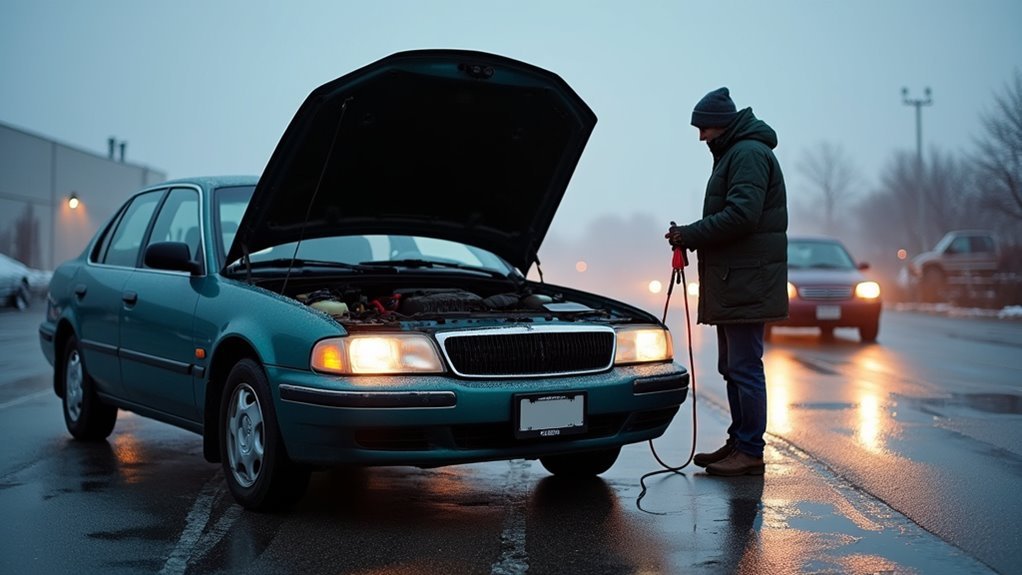
Why Car Batteries Fail Earlier Than Expected
Car batteries often die earlier than expected because heat, frequent short trips, parasitic drains, and loose connections degrade them over time. A battery can still show normal voltage while its ability to deliver sufficient cranking power has dropped. Repeated shallow discharges shorten battery life faster than steady, full charging cycles. Corrosion and poor terminal contact increase strain on the charging system and reduce effective capacity. Regular checks of charge state, load performance, and wiring condition help spot problems before sudden failure.
Common Causes of Early Battery Failure
Car batteries usually fail prematurely for a few clear reasons, and most of them start long before you get that awful no-start surprise. You could blame age, but heat, short trips, and weak charging often do more harm.
Whenever you drive in small bursts, your battery stays partly drained, and that slowly cuts capacity. A faulty alternator can also leave you stuck in a low-charge loop.
Add loose terminals, corrosion, or concealed electrical draws, and the strain builds fast. Even batteries with manufacturing defects can slip through, which is why warranty claims sometimes rise prematurely.
Should your battery seem tired too soon, you’re not alone. You’re probably seeing the result of several small problems working together.
How Extreme Temperatures Drain Battery Life
As temperatures swing hard, your battery pays the price fast. Whenever heat rises, chemical activity speeds up, and that can push internal parts to wear out sooner. You mightn’t notice it right away, but summer stress can quietly build damage.
High heat drives electrolyte evaporation, so the battery loses the fluid it needs to work well. At the same time, thermal cycling, the repeated shift from hot to cool, cracks and weakens internal materials. Then cold snaps hit the weakened battery harder, because it can’t recover as easily.
Should you live where seasons swing, you’re not alone in this struggle. Your battery just needs less stress and more care to stay strong through those changes.
How Short Trips Wear Down a Car Battery
Short trips can quietly drain your battery, even while the car seems fine.
You start, drive a few blocks, park, then repeat, and your alternator never gets enough time to restore the charge.
That leaves you with low power, and short trip sulfation can build on the plates.
Once that occurs, your battery feels tired sooner than it should.
- You might notice slower starts.
- You might feel stuck on busy days.
- Accessory drain from fans, lights, and radio uses more power.
- You could worry at the moment the dashboard still looks normal.
Because you belong on the road with confidence, try mixing in longer drives when possible.
Even one good recharge helps your battery recover and keeps your routine from turning into a surprise no-start.
Hidden Electrical Drains That Kill Batteries
Sometimes the battery isn’t the real problem, and that can be frustrating in case your car won’t start for no clear reason.
You might’ve a concealed drain sneaking power away while you’re asleep or at work. A glove box light, trunk light, or phone charger can stay on. Even smartphone drains from USB ports or aftermarket accessories like dash cams and alarms can slowly empty the battery.
Should you drive a lot, you mightn’t notice. But in the event you park for days, the loss adds up fast. So check every light, unplug extras, and watch for wiring that stays live.
Once you find the culprit, you can feel like part of your car again, not stuck outside it, waiting for a jump.
How Corrosion Hurts Battery Performance
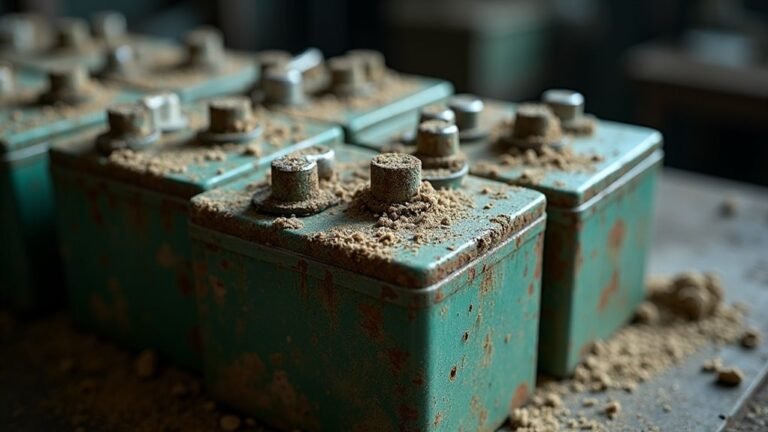
Corrosion on your battery terminals can act like a roadblock, making it harder for power to move where it needs to go.
As buildup grows, you might notice slower starts, dim lights, or other signs that your battery isn’t getting the support it should.
Even assuming the battery itself is still healthy, corroded connections can quietly steal performance and leave you stuck at the worst time.
Terminal Corrosion Buildup
Often, a little buildup at the battery terminals can cause a lot of trouble. Whenever crusty corrosion collects on the postive terminal, you might feel like your car is turning its back on you. That white or green film can come from electrolyte leakage, and it can block clean contact. As a result, you could notice:
- harder starts on busy mornings
- flickering dash lights that unsettle you
- a loose fit that never feels secure
- friends asking why your car acts “moody”
You’re not alone whenever this happens. Corrosion raises resistance, so power can’t move smoothly through the connection. Then your battery works harder than it should, and the whole system feels strained. Assuming you clean the terminals and tighten them well, you give yourself a better chance for reliable starts and fewer roadside worries.
Power Loss Pathways
As soon as corrosion starts building on the terminals, it doesn’t just sit there looking ugly, it creates a messy path for power to travel. You might feel that delay whenever your car cranks slowly or clicks instead of starting. The corrosion adds resistance, so electricity can’t move cleanly from the battery to the starter and charging system.
That extra strain can heat the connection, and in extreme cases it can help trigger thermal runaway in damaged parts. It can also mask deeper issues, like electrolyte stratification, because your battery could seem weak even while the real trouble starts at the terminals. Whenever you clean and tighten those spots, you give power a clearer route and help your battery work with you, not against you, every day.
How Loose Connections Affect Battery Health
As soon as a battery struggles to start your car, loose connections are one of the initial things to check because they can quietly steal power before the battery ever gets a fair chance.
When you belong on the road with others, you want your car to answer right away. A poor terminal fit, wrong installation torque, or terminal heat can add resistance and make the battery work harder than it should.
- You might hear slow cranking.
- You could feel stuck and worried.
- You might see dim lights.
- You might face a dead start.
Tight, clean terminals help current move fast, so your battery stays healthier. Should you spot green buildup or a wobbly cable, fix it soon. That small step can spare you stress and keep your ride ready.
How Driving Habits Shorten Battery Life
Short trips can quietly wear down your battery, even while your car seems fine initially. When you drive a few minutes at a time, you mightn’t let the battery fully recharge, so it stays tired and vulnerable.
Stop-and-go traffic can do the same thing, especially should you keep restarting the engine. With battery mindfulness, you notice these small patterns before they turn into a no-start morning.
Eco driving helps too because smoother trips and fewer unnecessary starts give your battery a better chance to recover. Should you mainly use short errands, try grouping them into one longer drive whenever possible. That simple habit supports your battery and helps you feel more in control, which is pretty nice on a busy week.
How Alternator Problems Drain Your Battery
Once your alternator starts to drop output, your battery can’t get a full recharge after you drive, so it slowly runs low.
You may notice dim lights, a battery warning light, or slow starts before the battery finally gives up. That’s why a charging problem can look like a weak battery, even if the real issue is the alternator.
Alternator Output Drops
Provided your battery keeps dying, the alternator could be the real problem, because a weak charging system can leave the battery stuck in a low state of charge.
Whenever alternator output drops, you might notice voltage sag at idle, dim lights, or slow starts.
Field weakening inside the alternator can cut charging power, so your battery never gets the support it needs.
You’re not alone provided this feels confusing.
- Your dash lights might flicker.
- Your radio might reset.
- Your engine might crank with less confidence.
- Your battery might feel blamed unfairly.
A trusted shop can evaluate output and catch the drop sooner.
That way, you and your car stay on the same team, and you avoid the stress of another no-start morning.
Weak Battery Recharging
Usually, a bad alternator doesn’t just stop your car from running well, it can slowly drain your battery through failing to recharge it fully after each drive. Whenever you keep driving on short trips, your battery stays partly empty, and that weak state builds up.
Over time, you might notice battery memory, where the battery seems to settle into a low pattern and lose useful reserve. That can make every start feel harder for you and your ride.
In some cases, the charging system can even create charge inversion, which hurts the battery’s internal plates. So, should your alternator be undercharging, your battery never gets the full recovery it needs.
With steady attention, you’re able to keep your car feeling ready and dependable.
Warning Signs To Notice
A weak alternator can drain your battery in ways that don’t always feel obvious at outset, so it helps to know the warning signs beforehand. You might feel like your car is letting you down, but you’re not alone. Watch for these clues:
- dim headlights that fade at idle
- dashboard warnings that glow after startup
- slow cranking when you turn the key
- extra accessory draw, like a radio that cuts out
If your battery keeps going flat after short drives, the alternator mightn’t be replacing what your car uses. Loose belts, worn wiring, or bad diodes can hide behind normal-looking voltage. That’s why small changes matter. If you notice them early on, you protect your battery, your time, and your peace of mind.
How Inactivity Weakens a Car Battery
Whenever your car sits too long, the battery doesn’t just rest, it slowly slips behind. In storage, its chemistry keeps working, and self discharge rates nudge the charge lower each day. You mightn’t notice it at initially, but the battery starts feeling less ready, like a teammate who missed too many practices.
As the charge drops, the plates can weaken and lose their edge. Then, once you turn the key, the battery has to work harder just to wake up. Should you leave your car parked often, you give that slow drain more time to build. That’s why your battery can seem fine one week and tired the next. Inactivity quietly steals its strength, and your ride feels it foremost.
Maintenance Mistakes That Shorten Battery Life
Should you skip terminal cleaning, corrosion can build up and make your battery work harder than it should.
You can also wear it down faster with irregular driving, because short trips and long gaps often leave it undercharged.
Whenever you keep up with simple upkeep and drive often enough to recharge it fully, you give your battery a much better chance to last.
Neglecting Terminal Cleaning
Often, neglected battery terminals do more harm than people expect, because a thin layer of corrosion can quietly choke off the flow of power and make your car act tired long before the battery is truly dead.
Whenever you stay ahead of that buildup, you help your battery feel like part of the crew again.
Use a battery cleaner to lift grime, then dry the posts and clamps well.
After that, add a terminal protector so moisture can’t settle back in as easily.
- You avoid that shaky start in the morning.
- You keep your dashboard lights from dimming.
- You protect the charge your battery worked for.
- You feel more confident every time you turn the key.
A quick check during routine care can spare you a nasty surprise later.
Irregular Driving Habits
Your battery can take a hit provided your driving pattern never gives it a fair chance to recover.
Whenever you rely on intermittent commuting, the alternator mightn’t replace what the starter used, so the battery stays partly drained. Then, stop-and-go traffic and short errands keep the charge cycle from finishing.
In the event you often drive with variable RPMs, the alternator’s output can swing too, which makes recharging uneven. Over time, that low-charge state can build sulfation and cut battery strength.
To help your battery stay with you longer, give it longer drives now and again, and avoid lots of quick restarts. Supposing your routine is busy, plan one smooth trip each week so the system can catch up and your car starts strong whenever you need it most.
Warning Signs Your Car Battery Is Failing
A failing car battery usually gives you a few quiet warnings before it leaves you stranded, and catching them promptly can save you a lot of stress.
You might notice slow starts, dim lights, or dashboard indicators that glow after the engine turns over.
Those signs can feel unsettling, but they help you act promptly.
During battery diagnostics, a weak battery could also show up as trouble with power windows, a clicking sound, or reset clock settings.
- Your engine cranks like it’s tired
- Your headlights look weak at night
- Your car smells odd near the battery
- Your accessories act moody and unreliable
When you spot these clues, you’re not alone.
Many drivers see them initially, then choose a shop check before the problem grows.
When to Replace Your Car Battery
You should replace a car battery before it leaves you stuck, and the safest time to act is once the warning signs start showing up more often. For smart replacement timing, look at age, slow starts, and dim lights together. Should your battery be three to five years old, seasonal planning matters even more, especially before summer heat or winter cold.
| Clue | What it means | What you do |
|---|---|---|
| Slow crank | Low strength | Examine soon |
| Clicking | Weak power | Plan replacement |
| Corrosion | Poor flow | Clean and examine |
| Old age | Wear builds | Replace soon |
| Repeated jump starts | Failing battery | Act now |
That way, you stay ready, not rushed, and you keep your ride in the crew.
Frequently Asked Questions
Why Do Some Batteries Fail During Summer Instead of Winter?
Some batteries fail in summer because high heat speeds electrolyte evaporation and corrosion, raising internal resistance. You will notice a hot start struggle initially, since damage builds quietly all season before winter ever arrives.
Can a Battery Test Fine but Still Die Under Normal Driving?
Yes, your battery can test fine and still die like a tired runner; weak connections and internal sulfation can hide under normal readings. You will feel stuck and left out until real world driving exposes the failure.
How Quickly Can a Hidden Parasitic Drain Kill a Parked Car?
A concealed parasitic drain can kill your parked car in 2 to 3 weeks, and a major draw can do it overnight. Your alarm modules or aftermarket accessories could quietly drain enough power to leave you stranded.
Does Frequent Stop-And-Go Driving Permanently Damage Battery Capacity?
Yes, frequent stop and go driving can wear your battery down, especially through repeated deep cycling and micro vibration effects. You’re not doomed, but these habits can slowly cut capacity, leaving you stranded like a 1920s roadster.
Why Do Batteries Fail Before Their Expected Three-Year Warranty Ends?
You can see batteries fail prematurely because heat, short trips, parasitic drain, charging faults, corrosion, age, manufacturing defects, and improper storage wear them down fast. You are not alone these issues sneak up before three years.