Book Appointment Now

What Is Battery Sulfation and How Does It Happen
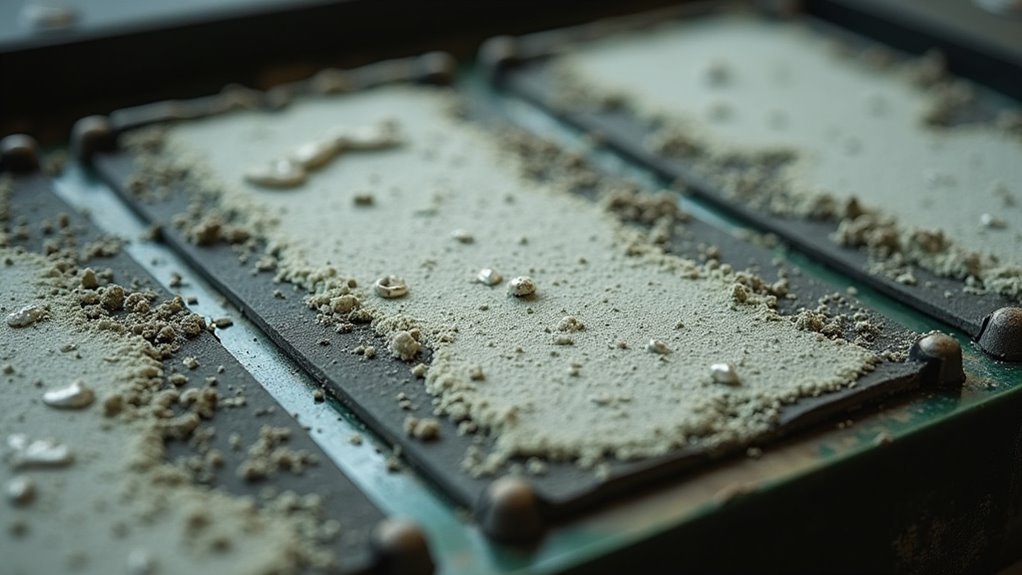
Battery sulfation is the buildup of lead sulfate crystals on a lead-acid battery’s plates during discharge. Small amounts of soft sulfate form normally and re-dissolve during full charging. Repeated undercharging, short trips, or long storage causes that sulfate to harden into an insulating layer. Hardened sulfate reduces plate contact with electrolyte and cuts battery capacity and lifespan. Preventing and reversing sulfation requires regular full charges and proper storage practices.
What Is Battery Sulfation in Lead-Acid Batteries?
Battery sulfation is the buildup of hard lead sulfate crystals on the plates inside a lead-acid battery, and it’s one of the main reasons these batteries lose strength over time. You might hear it called a battery problem, but it really starts with lead acid chemistry working against you.
Small sulfate crystals can appear during normal use, yet trouble begins when their sulfate morphology changes and they grow hard and stubborn. Then your battery can’t store energy as well, and that hurts the whole system you rely on.
Should you keep a battery in your space, you’re part of the same maintenance rhythm, so this issue matters to you. Understanding what sulfation means helps you spot weakness early on and treat your battery with the care it needs.
How Does Battery Sulfation Form?
Whenever you use a lead-acid battery, sulfation starts during discharge as sulfate binds to the plates and forms lead sulfate.
In case you don’t recharge it fully, those soft crystals can harden and grow over time.
Repeated undercharging makes the buildup worse, and that’s whenever your battery starts to lose strength.
Sulfation During Discharge
- The electrolyte weakens.
- Sulfate clings to active material.
- Tiny gaps start to narrow.
- Pore blockage limits how well charge moves back in.
Crystallization Over Time
Over time, those small sulfate crystals don’t just sit still, and that’s where the trouble starts. You can regard them as tiny seeds that keep finding room to spread.
As crystal growth continues, the soft layer hardens and sticks tighter to the plates. Then pore clogging begins, and the battery loses the open space it needs to work well.
You mightn’t notice it right away, but each cycle can add a little more buildup. Soon, the crystals become larger, denser, and harder to break apart during charging.
That’s why a battery can seem fine one day and weak the next. Should you stay aware of this slow change, you’re already ahead of the problem and better able to protect your battery.
Causes of Repeated Undercharge
Repeated undercharge is one of the biggest reasons battery sulfation starts to build up, and it usually sneaks in little bit by bit.
Whenever you give your battery only a partial recharge, sulfate stays on the plates and hardens.
Poor maintenance makes that even worse, because you miss the warning signs and the battery keeps sitting half full.
You can see the pattern in everyday use:
- Short trips that never let the alternator finish the job
- Chargers set too low for your battery type
- Long storage without a full top-off
- Deep discharges followed after another partial recharge
Over time, you and your battery get stuck in a weak cycle.
The crystals grow, the plates lose space, and charging gets harder.
What Causes Battery Sulfation?
Repeated undercharging is one of the biggest reasons your battery starts to sulfate, because it leaves lead sulfate on the plates instead of turning it back during a full charge.
Should you allow the battery to sit for a long time, that leftover sulfate can harden into stubborn crystals.
Over time, those two habits can team up and make a healthy battery act tired before its time.
Repeated Undercharging
Undercharging is one of the easiest ways to trigger battery sulfation, even though it doesn’t seem like a big problem initially. Whenever you skip a full charge, your battery chemistry leaves more sulfate on the plates, and that buildup hardens over time. With steady charge monitoring, you can catch the pattern before it sticks.
- A low charger never finishes the reaction.
- Each short ride or use leaves extra crystals behind.
- Those crystals grow and block active material.
- Your battery then feels weak, and you feel stuck with it.
You’re not alone provided this happens; many people miss the final charge stage. Still, repeated undercharging keeps the lead-acid battery from recovering fully, so the damage keeps adding up quietly.
Long-Term Storage
In case your battery sits unused for weeks or months, sulfation can creep in even faster than it does from short charges.
Whenever you park a lead-acid battery in long-term storage, its plates slowly turn into lead sulfate instead of staying ready to work. That’s why cold storage helps only provided the battery stays fully charged.
Should you leave it half-full, crystals can harden while you’re away.
You can protect your gear by checking the voltage now and then, and through using trickle chargers during quiet seasons. They keep a gentle flow moving, so sulfate doesn’t settle in and stick.
Even a little care helps you stay part of the group that gets reliable starts, brighter lights, and less battery drama later.
What Are the Signs of Sulfation?
In case your lead-acid battery is starting to sulfate, it usually sends out a few clear warning signs before it gives up. You can spot these visual cues and maintenance indicators promptly provided you look closely and stay consistent.
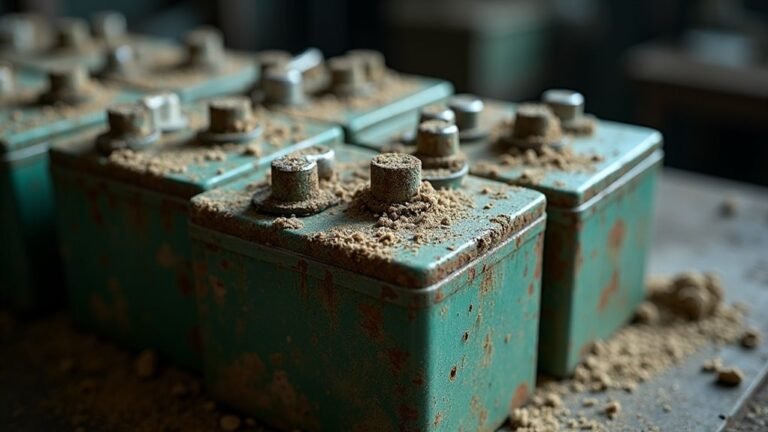
- A white or gray film appears on the plates or around caps.
- The battery needs charging more often than it used to.
- The charger finishes fast, yet the battery still seems unsettled.
- You notice a sluggish response when you examine or use it.
These signs often show up after long storage or skipped upkeep, so you’re not missing something obvious. Should your battery act this way, it’s asking for attention, not blame. Catching it promptly helps you stay in control and keep your battery care routine on track.
How Does Sulfation Affect Battery Performance?
Sulfation can quietly drain your battery’s strength, and that usually shows up as less power, slower charging, and a shorter life.
You might notice your battery struggles to start equipment or hold a charge the way it used to. As sulfate crystals build up on the plates, they cut down active surface area, so you get capacity loss.
At the same time, the battery faces impedance rise, which makes it harder for current to flow in and out. That means charging feels slower and use feels weaker.
Over time, you can also get less reliable output, especially whenever you need steady power. Should you’ve felt that letdown, you’re not alone. Sulfation makes the battery work harder for less return, and that can wear it out sooner.
Can Sulfated Batteries Be Recovered?
Yes, a sulfated battery can often be recovered provided the damage hasn’t gone too far. You’re not alone when your battery looks tired and sluggish; many lead-acid batteries can get another chance. The key is how hard the sulfate has hardened.
- Light buildup might respond to a full recharge.
- Deeper buildup could need chemical rejuvenation.
- Severe damage often calls for professional refurbishment.
- In case the plates are badly damaged, replacement might be wiser.
Because recovery depends on crystal size and plate condition, you should examine carefully before pushing harder. In the event the battery still accepts charge, you could restore some power and life. Should it not charge or perform, the problem has likely moved past recovery. That’s frustrating, but it also saves you from wasting time on a battery that can’t rejoin the team.
How Can You Prevent Battery Sulfation?
Fortunately, you can prevent battery sulfation with a few steady habits, and they’re easier than most people reckon.
Keep your battery monitoring routine simple but regular, so you spot a low charge before crystals settle in. Store the battery in a cool, dry place, and give it a full charge before long breaks from use.
In case you’re caring for a lead-acid battery in a group, check its voltage often and recharge it promptly whenever it dips.
For extra support, use desulfation additives only as directed, since they’re a helper, not a cure-all. Also, avoid allowing the battery sit forgotten on the shelf like an old gym bag.
With a little attention, you help the plates stay cleaner, the charge stay stronger, and your battery feel like part of the team.
Which Charging Habits Reduce Sulfation?
Good charging habits do a lot of the heavy lifting whenever it comes to keeping lead-acid batteries healthy. Whenever you charge fully and often, you help sulfate move back into the electrolyte instead of hardening on the plates. That’s a win for your battery and for your peace of mind.
- Recharge soon after use, so sulfate doesn’t linger.
- Use the right charger settings every time.
- Try pulse charging when your charger supports it.
- Make smart maintenance part of your routine, especially during storage.
Also, avoid long gaps between charges, because that’s whenever crystals get stubborn. In case you stay consistent, you’ll give your battery a better shot at staying strong, accepting charge well, and feeling like part of your reliable gear.
When Should You Replace a Sulfated Battery?
Provided your lead-acid battery still has some life left, you couldn’t need to replace it right away, but a sulfated battery does give you a few clear warning signs.
In case it won’t hold a charge after proper charging, you’ve likely crossed key performance thresholds. You might also notice slow cranking, dim lights, or a charger that finishes too fast because the battery can’t absorb power well.
At that point, watch replacement timing closely. Should examination show low capacity, weak voltage, or repeated failure after a full recharge, replacement is usually the kindest choice for your vehicle and your peace of mind.
You’re not giving up too soon; you’re choosing reliability before a tired battery leaves you stranded in the driveway.
Frequently Asked Questions
Does Sulfation Affect AGM and Gel Batteries Differently?
Yes. AGM and gel batteries do differ. You will usually see greater AGM sensitivity to undercharging, while gel models show more resilience. About one in three lead acid batteries fails prematurely from neglect, so you are not alone.
Can a Multimeter Detect Early Battery Sulfation?
Yes, you can spot hints with a multimeter provided you watch for voltage drift and compare readings after charging. It will not confirm sulfation alone, but you will notice weak cells, slower recovery, and rising impedance.
Is Battery Sulfation Reversible With Desulfation Chargers?
Sometimes, yes. You can nudge light sulfation back with desulfation chargers, though they are not miracle wands. Charger efficacy depends on the damage level; if surface passivation is advanced, you will need replacement rather than hopeful consideration.
Does Temperature Change How Fast Sulfation Develops?
Yes, temperature effects matter a lot. Heat speeds sulfur crystallization, while cooler storage slows it. You will protect your battery better by keeping it charged, avoiding neglect, and storing it in a cool, dry place.
How Long Can a Lead-Acid Battery Sit Unused Before Sulfating?
A lead acid battery can start sulfating after just a few weeks unused; months make it worse. You will stay in the clear with a maintenance schedule, since lonely batteries do not forgive long storage duration.