Book Appointment Now

Why Batteries Corrode During Storage
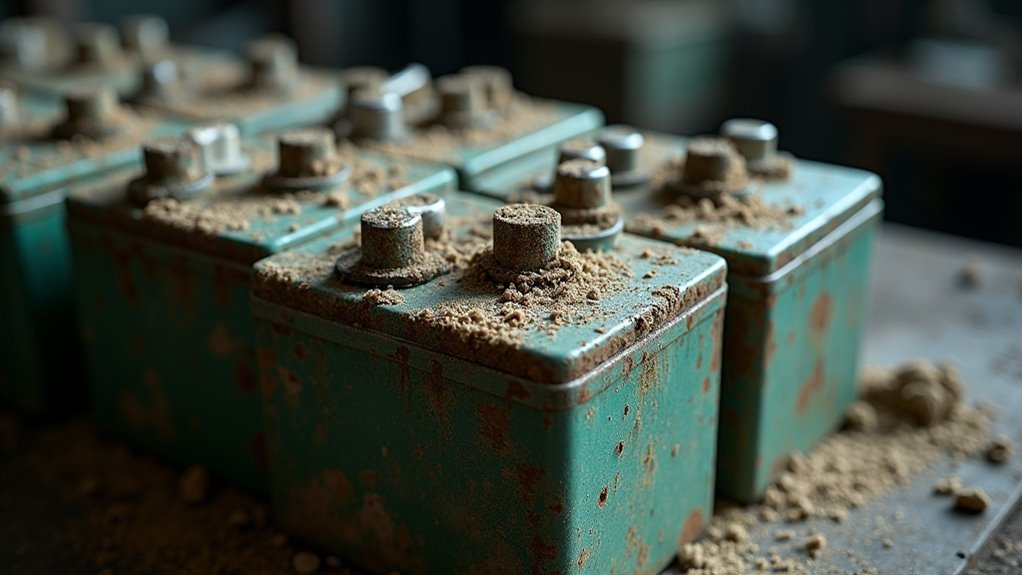
Batteries corrode in storage because trapped chemicals break down and leak out over time. Heat and humidity speed up internal reactions and damage seals. Acidic or alkaline electrolytes form crystalline residues that attack metal terminals. Poor manufacturing or age makes seals and casings more likely to fail. Nearby metal and device contacts get damaged by the resulting white or blue-green crust.
What Causes Battery Corrosion in Storage?
Battery corrosion in storage usually starts once moisture sneaks in and battery chemicals begin to deteriorate.
You might notice that a tiny leak or damp air can wake up rust-like buildup around terminals.
Whenever batteries age, their seals weaken, and internal electrolytes can escape, then react with nearby metal.
Even loose residue can keep the damage going.
Should you store batteries in humid rooms, they face more stress, especially whenever packaging materials trap moisture instead of blocking it.
That’s why smart storage rotations matter too.
Through moving older cells out initially, you lower the chance that weak batteries sit forgotten and corrode.
You’re not alone in this.
With dry air, careful handling, and steady checks, you can protect your batteries and your space.
Why Heat and Humidity Speed It Up
Heat can make the chemicals inside a battery react faster, so wear and damage build up more quickly even while it sits unused.
At the same time, moisture can degrade electrolyte parts and leave behind conditions that keep corrosion going.
Whenever warm, humid air surrounds the battery, it gives rust-like buildup a better chance to form on the terminals and contacts.
Heat Accelerates Chemical Reactions
Even while a battery sits still, its chemistry doesn’t fully stop, and that’s where heat starts causing trouble. Whenever temperatures rise, you give reactions more activation energy, so they move faster inside the cell. That means aging, gas buildup, and surface damage can happen sooner than you’d expect.
In case a battery already has weak seals or old materials, heat can push it closer to thermal runaway in extreme cases. You’re not helpless here, though. Whenever you store batteries in a cool, dry place, you slow those reactions and help them stay stable longer.
Avoid cars, sunny shelves, and warm appliances, because steady heat keeps working on the battery even whenever you aren’t. A little cooler really does go a long way.
Moisture Promotes Electrolyte Breakdown
Moisture often causes more trouble than people expect, because it can slip into a battery’s tiny openings and start breaking down the electrolyte. You might not see it right away, but ambient adsorption keeps water close to the surface, and vapor diffusion carries it deeper. That mix can weaken seals and stir up unwanted reactions.
| Moisture path | Effect |
|---|---|
| Air around the battery | Adds water molecules |
| Tiny gaps | Let vapor move in |
| Warm storage | Speeds breakdown |
| Damp air | Keeps reactions going |
When the electrolyte changes, your battery loses balance and starts aging faster. So, should you want your batteries to stay healthy, keep them in a cool, dry place where your gear can breathe without soaking up extra moisture.
Humid Air Increases Corrosion
Supposing moisture can sneak into a battery and weaken its electrolyte, humid air can keep the problem going through feeding corrosion at the metal parts.
You mightn’t see it right away, but damp air leaves a thin film on terminals, and that film helps rust spread.
Heat makes this worse because it speeds the reactions that attack exposed metal, so a warm garage can turn into a trouble spot fast.
For condensation prevention, keep batteries in a cool, dry place and let them stay in their case or a nonconductive box.
Vapor barriers can also help shield them from damp basements and unventilated shelves.
Whenever you store batteries this way, you give your gear a safer home and cut the odds of ugly crusty buildup.
How Battery Chemistry Affects Corrosion
Your battery’s chemistry decides how easily its electrolyte reacts with metal parts during storage.
If those reactions speed up, oxidation can build on terminals and contacts faster than you’d expect.
That’s why some batteries seem to age quietly, then suddenly show corrosion like they’ve been plotting it all along.
Electrolyte Reactivity
Even though a battery sits still on a shelf, its chemistry doesn’t fully stop, and that’s where electrolyte reactivity starts to matter. You can regard the electrolyte as the battery’s concealed messenger, always able to alter how ions move and how surfaces change.
Whenever electrolyte speciation changes, you could get new compounds that cling to terminals and invite corrosion. Then interfacial dynamics take over at the tiny boundary where the electrolyte meets metal, and that boundary can slowly weaken.
Should moisture sneaks in, the mix reacts even faster, especially in warm, damp storage. So, whenever you store batteries, you’re not just saving charge. You’re also protecting a delicate chemical balance that keeps the metal clean, stable, and ready for you later.
Metal Oxidation Rates
As battery chemistry keeps moving in storage, metal oxidation can speed up prior to you notice a thing. You can consider it as tiny chemistry teams working on your terminals. Different cell designs shift oxide kinetics, so some metals rust faster than others once moisture or leakage shows up. Whenever passivation layers stay strong, they slow attack and help you feel safer.
- Alkaline cells often push corrosion after leakage.
- Lithium cells can still form unstable films.
- Heat lifts reaction speed and weakens protection.
- Humidity helps oxygen and water reach bare metal.
Which Batteries Corrode Most Easily in Storage?
Some batteries corrode more easily in storage than others, and the most vulnerable ones are usually older alkaline batteries, damaged batteries, and any battery kept in a warm, damp place. You’ll also see higher risk with batteries that sit loose, touch metal, or stay in worn devices.
Old seals can weaken, so leaks start faster, and moisture can keep the reaction going. That’s why you do best whenever you store batteries in original packaging or other nonconductive cases, with packaging innovations that block humidity and smart monitoring that helps you track storage conditions.
In case you keep batteries in a cool, dry spot and separate tired ones from fresh ones, you give your stash a safer home. Small care steps like these help your batteries stay ready without surprise buildup.
Signs a Stored Battery Is Starting to Corrode
As soon as corrosion starts, it often shows up in small clues before you see any real damage. You might notice terminal discoloration, a white or green crust, or a dull film on the metal. Sometimes the battery feels sticky, smells sharp, or leaves powder in the storage spot. These signs often grow with pack aging, so trust your eyes and hands.
- Check for faded or stained terminals.
- Look for crust, dust, or wet spots.
- Notice swelling, leaks, or odd odors.
- Compare older cells for uneven wear.
When you pinpoint one clue, inspect the rest of the battery family in the same box. That way, you stay ahead of deeper damage and keep your storage area feeling safe and cared for.
How to Prevent Battery Corrosion in Storage
To keep batteries from corroding in storage, start giving them a clean, dry, and calm place to rest.
Choose a cool spot away from heat, damp air, and direct sun.
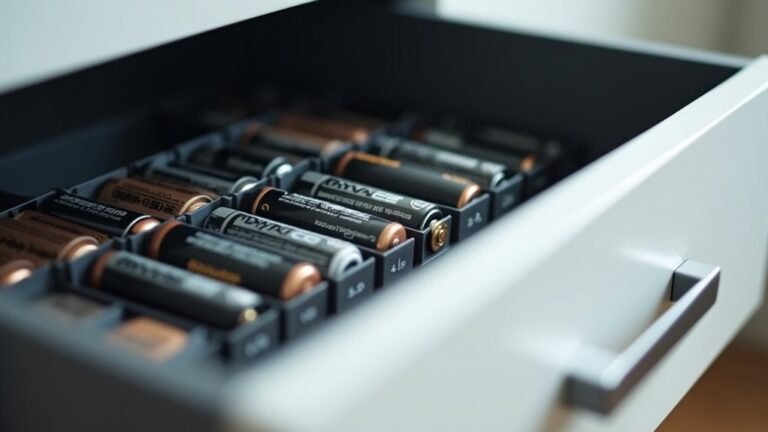
Keep each battery in its own nonconductive container or original pack, so metal doesn’t touch metal.
Add sealed desiccants nearby to help pull in extra moisture, and check them often.
For rechargeable cells, store them near 40 to 60 percent charge, because full or empty packs age faster.
Next, use labeled rotation so older batteries get used earliest and nothing sits forgotten for years.
Then inspect your stash now and then.
A quick check can save you trouble, and it helps you feel like the careful battery person your home can count on.
How to Clean Corroded Battery Contacts Safely
Now that you know how to help batteries stay clean in storage, it’s just as essential to handle the mess they can leave behind with care.
You can clean corroded contacts safely whenever you stay calm and work step by step. Start with glove selection and wear eye protection too. Then:
- Remove the batteries.
- Wipe away loose crust with a dry cloth.
- Use a cotton swab with a little vinegar for alkaline residue, then dry the area well.
- Add a thin layer of protective coatings to help slow future buildup.
You’ll fit right in with people who keep gear ready and trusted.
Should the contact look bent or deeply pitted, stop there and let a pro handle it.
When to Throw Away a Corroded Battery
Throw a corroded battery away unless the damage looks more than just a little crusty, because that’s usually a sign the battery has started failing in a way you can’t safely fix.
Unless you see swelling, cracks, leaking fluid, or deep pitting on the terminals, replace immediately. You shouldn’t keep using a battery that feels hot, smells odd, or keeps leaving residue after cleaning. At that point, your safest move is safe disposal, not another round of cleanup.
You’re protecting yourself and the devices you care about. Unless the battery lives in a remote, toy, or camera, swap it out before more damage spreads. Whenever in doubt, trust the visible wear and let it go. A fresh battery costs less than the stress of a messy surprise later.
How to Keep Batteries Working Longer in Storage
A little care goes a long way whenever you want batteries to stay healthy in storage. Keep them cool, dry, and out of sunlight, because heat and humidity speed up wear.
Then, give yourself a simple routine:
- Check dates and use older packs first.
- Store batteries in their original package or a nonconductive box.
- Keep terminals clean and separate from metal items.
- Watch charge levels for rechargeables, and aim for midcharge.
Whenever you rotate stock, you avoid forgotten cells that quietly age in the back row. Climate monitoring also helps you spot damp spots before corrosion starts.
Should you belong to a busy home or team, these small habits make storage feel easy, and your batteries will be ready whenever needed most.
Frequently Asked Questions
Can Battery Corrosion Spread to Nearby Electronics?
Yes, corrosion can spread to nearby electronics. Conductive residue can bridge contacts and electrochemical migration can damage circuits. Protect your gear by removing batteries quickly, cleaning gently, and storing spares in a dry place.
Is White Crust Always a Sign of Battery Leakage?
No, white crust isn’t always leakage; you could see white residue from moisture or oxidation too. Check for alkaline bloom, sniff for odor, and compare symptoms carefully — you’ll feel more confident protecting your devices together.
Do Unopened Batteries Ever Corrode in Storage?
Yes, unopened batteries can still corrode in storage. You will see shelf chemistry and sealed deterioration slowly damage terminals, especially in heat or humidity. Store them cool, dry, and inspect them regularly for leaks.
Can Corroded Batteries Still Be Safely Recycled?
Yes, you can usually recycle corroded batteries, but handle them carefully. Place them in a sealed bag, follow battery recycling rules, and avoid disposing of them as regular trash. This helps protect your home and community.
Does Battery Corrosion Affect Performance Before Visible Damage?
Yes, before you see crust, you will often notice a flashlight dimming initially: voltage drift rises, internal resistance climbs, and your device sags under load. You are not imagining it; corrosion quietly steals performance initially.