Book Appointment Now

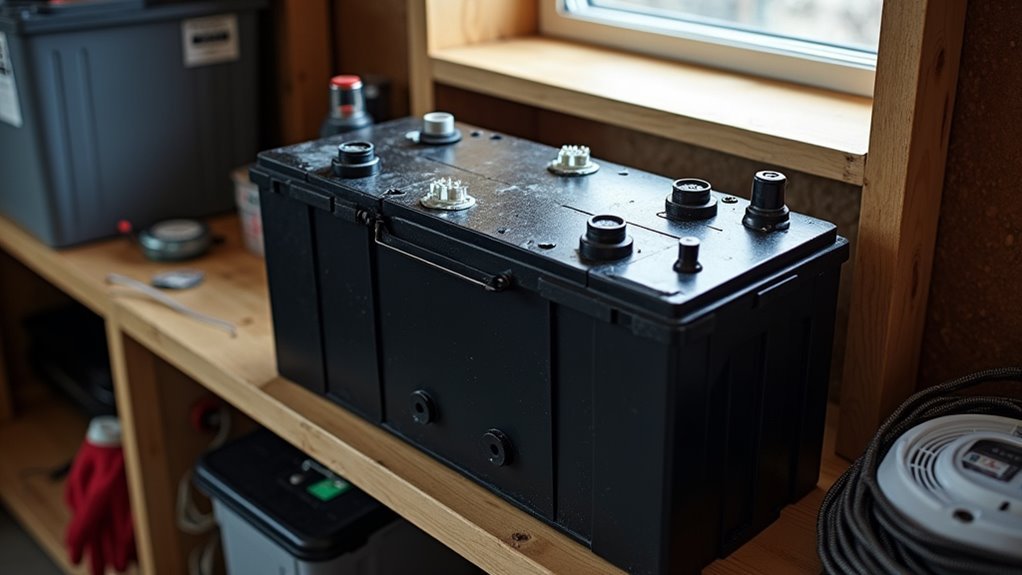
How to Store a Car Battery for Long Periods
Car batteries lose charge over time even when sitting unused. Heat, dirt, and self-discharge accelerate wear and shorten service life. Proper preparation, correct storage location, and periodic checks keep a battery ready for use. A fully charged, clean battery stored in a cool, dry place lasts far longer. Regular maintenance prevents unexpected failure and saves money on replacements.
Prepare the Car Battery for Storage
Before you tuck your car battery away, give it a careful reset so it starts storage in the best shape possible.
To begin, make sure it’s fully charged, because a weak battery loses strength faster and can even freeze in cold spaces.
Then place it in a cool, dry spot with ventilation needs in mind, since trapped heat and moisture can wear it down.
Keep it upright on wood or plastic, away from sunlight and anything flammable.
Check that it’s clean and dry, and inspect the case for cracks or leaks.
Should you be unsure, read the maker’s notes so you don’t miss warranty considerations.
These small steps help you protect the battery and feel confident it’ll be ready whenever you need it again.
Clean the Battery Terminals and Case
Give the battery a quick freshening up so grime doesn’t cause trouble while it sits in storage. Put on safety gloves, then wipe the case with a damp cloth and a little baking soda mix provided that you spot crusty buildup. Dry every part well, because moisture can invite sticky trouble later. Clean the terminals until they look bright, and fit terminal covers once they’re dry so the metal stays protected.
| What You See | What It Means | What You Do |
|---|---|---|
| White crust | Corrosion is building | Clean it off gently |
| Damp spots | Moisture is hanging around | Dry the case fully |
| Shiny posts | Good prep is in place | Add terminal covers |
When you take this step, you’re joining the crowd that treats storage with care. A clean battery feels ready, and you’ll feel better being aware that it’s tucked away neat and protected.
Disconnect the Battery Safely
Before you disconnect the battery, turn off the ignition and make sure every accessory is off.
Then remove the negative terminal initially, so you lower the risk of sparks or short circuits.
Finally, secure the loose cable away from the post so it can’t swing back and touch anything metal.
Turn Off Ignition
Once you’re ready to store your car battery, turn off the ignition and make sure every electrical system is shut down. This simple step supports ignition safety and key removal, and it helps you avoid a spark or drain while you work. You’re not rushing here. You’re setting up a calm, safe moment for your battery and your hands.
- Remove the key and keep it nearby.
- Check that lights, radio, and accessories are off.
- Pause a few seconds so systems fully power down.
Then you can move with confidence to the next step without feeling tense. A quiet vehicle makes the rest of the process easier, and it helps you feel like you’ve got this. Once everything is off, you’re ready to handle the battery safely and keep your storage plan on track.
Remove Negative Terminal
Loosen the negative terminal initially so you can break the circuit with less risk and more control. You’ll help protect yourself and keep battery removal smooth. Use the correct wrench, turn the clamp counterclockwise, and lift the cable free once it’s loose. Keep the metal tool from touching nearby parts, and give the terminal a quick look for dirt or corrosion.
Clear terminal labeling helps you stay oriented, especially provided that you’re working with more than one cable nearby. After you disconnect the negative side, place it where it can’t spring back. This small step creates a safer path for the rest of your storage prep, and it gives you confidence that the battery is no longer feeding power into the system.
Secure Loose Cables
Now that the negative cable is off, keep it from wandering back into place and causing trouble. You’re protecting the battery and yourself, so give the cable a safe home. Use terminal ties or cable wraps to fasten it away from the post. Should you lack those, tuck the end beside the engine bay, where it can’t flop around.
- Make sure the metal clamp can’t touch the terminal.
- Keep the cable dry and clean.
- Check that nothing presses on it.
This small step helps you stay in control while the battery sits idle. It also keeps your storage setup neat, which feels good while you’re trying to do things right. A secure cable means fewer surprises, and that’s a win you can trust.
Store the Battery Fully Charged
A car battery should always go into storage fully charged, because that one step gives it the best chance to stay healthy while it sits. Whenever you top it off initially, you help guard it against winter freezing and slow damage from electrolyte stratification.
You also give the battery a stronger starting point, so it can rest with less stress and less chance of losing strength too soon. Before you put it away, check that the charge is complete and the resting voltage looks right.
That small habit helps you feel confident, like you’re taking care of a tool that’s still part of your crew. A full battery doesn’t just wait better; it also fights self-discharge more effectively, which keeps storage from turning into an unwanted surprise later.
Use a Battery Tender for Long Storage
A battery tender can help you keep your car battery healthy during long storage, but you need to pick one that matches your battery type and size.
Connect it the right way, with clean, secure terminals, so it can safely maintain the charge without causing trouble.
Then check the charge status now and then, because a quick glance can save you from a dead battery surprise later.
Choose The Right Tender
Pick the right battery tender, and your car battery gets a much easier off-season. You want a smart maintainer that checks charge and rests once the battery is full, so you and your ride stay in the same team. That helps more than old-school chargers, and it fits seasonal storage, whether you use solar chargers in a sunny garage or tuck the battery beside winter blankets in a cool room.
- Choose one made for 12V lead-acid batteries.
- Look for automatic shutoff and float mode.
- Pick a model with clear status lights.
A good tender keeps the battery ready without pushing too hard. Then you can store it with confidence, aware it’s getting steady care while you’re not driving.
Connect It Properly
Slide the tender leads on carefully, because the way you connect the battery matters just as much as the charger you chose. Check the terminal orientation first, so positive meets positive and negative meets negative without guesswork. Should the clamps feel tight and clean, you’re already setting yourself up for an easier storage season.
| Step | What You Do | Why It Helps |
|---|---|---|
| 1 | Match the terminals | Avoids a bad hookup |
| 2 | Fit the clips fully | Keeps charging steady |
| 3 | Add insulation wrap | Reduces accidental contact |
| 4 | Leave the tender in place | Supports long storage |
Once the leads are set, tuck the wires so they don’t rub or snag. That small care helps you protect the battery and stay in the same smart-car crowd that keeps things ready.
Check Charge Status
Before you park the car for a long stretch, check the battery’s charge so it doesn’t slip into trouble while you’re away. A full battery stays healthier, and you’ll feel better being aware it’s ready when you return. In case you want extra peace of mind, use a battery hydrometer to confirm the cells are strong. For long storage, a battery tender works better than leaving it alone, because it feeds gentle power and helps prevent deep discharge.
- Assess the voltage before storage.
- Recheck it every few weeks.
- Recharge should it drop too low.
Should the battery sit for months, smart pulse charging can keep it steady without cooking it. That way, you stay in the same easygoing crew of drivers who come back to a car that starts right up.
Choose a Cool, Dry Storage Spot
A good storage spot can make a big difference for your car battery, so you’ll want a place that stays cool, dry, and steady. Aim for a garage corner, basement shelf, or utility room where ambient humidity stays low and temperature fluctuations don’t swing hard from day to night.
Warm, damp air speeds up self-discharge and can nudge corrosion along, while freezing cold can stress the case. You’re better off keeping the battery away from sunlight, heaters, and drafty doors.
In case the room feels damp, choose another spot that feels more like a calm storage home. Good airflow also helps you protect the battery and fit in with the kind of care other drivers trust. A stable spot makes storage feel simple, and your battery will thank you later.
Keep the Battery Off the Ground
Even though your battery is tucked in a safe room, it still needs a little cushion under it. Place it on raised shelving or an insulating platform so cold dampness can’t creep up from below. You’re protecting the case, the terminals, and your peace of mind, too.
- Set the battery upright on wood or thick plastic.
- Keep it away from bare concrete and wet floors.
- Leave a little space around it for easy checks.
This small step helps your battery feel settled, not forgotten. Whenever you give it a stable base, you join a simple habit that many careful drivers trust.
It also lowers the chance of accidental knocks from shoes, boxes, or tools. So, make the spot feel steady, dry, and welcoming, and your battery’s home will be ready for the wait.
Prevent Battery Drain During Storage
Now that your battery has a dry, steady place to sit, you also need to stop it from slowly losing power while it waits. Initially, disconnect the negative cable so your car’s small electronics can’t create parasitic draw. Should you be unable to remove the battery, use a smart maintainer made for storage. It keeps charge steady without pushing too hard.
Next, make sure the battery’s case stays clean and dry, because grime can leak power. You can also wrap the battery in light thermal insulation when your storage area gets chilly, since stable temperatures help it rest easier.
Then keep metal tools and loose cables away from the terminals, so nothing bridges the posts and steals energy. A little care here helps your battery stay ready for the road.
Check Car Battery Voltage Regularly
Check the battery voltage every 1 to 3 months, because a stored car battery can lose charge slowly even assuming everything looks fine. Use a simple meter and keep your readings in voltage logging so you can spot small changes before they become a headache.
That habit helps you stay in control and feel like part of a smart, careful group.
- Write down each reading with the date.
- Watch for seasonal trends, since cold and heat can shift voltage.
- Recharge whenever the number drops below 12.4V.
Whenever you check at the same time each month, you’ll build a clear pattern and catch trouble promptly. Then you can act with confidence, not guesswork, and protect the battery you’re counting on.
How Long Can a Car Battery Sit Unused?
Usually, a car battery can sit unused for a few weeks without much trouble, but the exact time depends on its charge, age, and storage conditions.
If you keep it fully charged and in a cool, dry place, you can often stretch that time to several months with careful sulfation prevention.
Older batteries usually need more attention, and many makers set warranty implications if you let one sit too long and lose charge.
So, check it every month or two, and recharge it before it falls too far.
You’re not alone in this, and a little routine care can save you stress later.
For seasonal storage, consider the battery as a quiet teammate that still needs a quick check-in now and then.
Signs Your Stored Battery Needs Charging
Should your car battery have been sitting in storage for a while, a few clear warning signs can tell you it needs a charge before it gives up on you at the worst moment.
Check the voltage initially, because a reading below 12.4V usually means your battery is slipping. Then look for these clues:
- Slow cranking or weak trial lights
- A flat, swollen, or dusty case
- Corrosion, sulfation buildup, or electrolyte stratification
If you spot these signs, don’t wait. A stored battery can lose strength quietly, even in a cool, dry spot.
You can also notice a stale smell or uneven charge behavior after an examination. That’s your cue to recharge it gently and keep it ready for the next drive, so you’re not left out of the car crew as plans start moving.
Reinstall the Battery After Storage
Before you put the battery back in, inspect the case, terminals, and cable ends for cracks, corrosion, or leaks.
Then reconnect it snugly, start the car, and exam that everything powers up the way it should. Should something seems off, you’ll catch it right away and avoid a bigger headache later.
Inspect Battery And Terminals
As soon as you’re ready to put the battery back in, take a close look at the case and the terminals initially, because a small problem here can turn into a big headache afterward.
You want the battery to feel like part of the team again, so check for cracks, swelling, leaks, and loose buildup. Then move to the posts and clamps.
- Look for clean, dry metal with no heavy corrosion.
- Check terminal insulation for cracks or worn spots.
- Do a quick vent inspection and make sure openings aren’t blocked.
If you spot grime, wipe it off before the battery goes in. Also, make sure the casing stayed upright and undamaged during storage.
That little check helps you avoid surprises and keeps the reinstall calm, safe, and smooth.
Reconnect And Test Battery
Slide the battery back into place with care, because this is the moment where a calm restart really matters. You’re rejoining the team, so keep the cables clean and snug. Before you tighten anything, check the case, posts, and clamps for shine and fit. Then run post storage diagnostics: measure voltage, start the car, and watch the lights. Should the engine turns slowly, pause and charge again.
| Check | What You See | Why It Matters |
|---|---|---|
| Voltage | 12.6V or higher | Shows healthy charge |
| Terminals | Tight and bright | Helps steady flow |
| Starter | Quick cranking | Confirms strong recovery |
Should you spot corrosion or swelling, stop and review warranty considerations before driving off. That small check can save your day and your battery.
Start the Vehicle and Test the Charge
Turn the key and let the battery prove itself. You’ll feel better once the engine catches, and that initial start tells you the battery’s ready to rejoin your routine. Watch the dash lights, then let the car run a few minutes so the charge can settle.
- Check the cold cranking response. A strong start means the battery still has muscle.
- Should the engine turn slowly, pause and assess again after a short drive.
- Look at the electrolyte level provided your battery type allows it, because low fluid can weaken performance.
After that, use a voltmeter should you have one. You want a steady reading, not a nervous drop. Once the numbers look healthy, you can trust your battery with more confidence and keep moving with the same calm, capable crew.
Avoid Common Battery Storage Mistakes
Even a well-cared-for car battery can run into trouble provided you store it the wrong way, but fortunately most mistakes are easy to avoid.
You should charge it fully initially, then keep it in a cool, dry spot, not a hot garage or freezing shed. Heat can speed self-discharge and push cells toward thermal runaway, while cold can crack a weak battery.
Next, clean and dry the case and terminals, because dirt and moisture invite corrosion and leakage.
Store it upright on wood or plastic, and don’t let the terminals touch metal.
Also, check voltage every few months; in case it drops too low, recharge it before electrolyte stratification and damage set in. A smart maintainer helps you stay on track.
Frequently Asked Questions
How Often Should Stored Battery Terminals Be Inspected for Corrosion?
Inspect stored battery terminals monthly for corrosion. You’ll catch trouble promptly, like a sailor spotting rust before a storm; regular visual checks keep your battery trusted, ready, and welcomed back into service.
What Humidity Level Is Best for Long-Term Battery Storage?
You’ll do best with low humidity, ideally 40 to 50% RH, because it helps prevent corrosion and leakage. Keep your battery in a cool, dry space, and you’ll protect its charge, lifespan, and readiness.
Can a Stored Battery Be Kept Inside a Car Trunk?
Yes, you can keep it in a trunk, but only provided you have trunk ventilation and temperature monitoring. Choose a cool, dry spot, secure it upright, and check it often so your battery stays welcome and healthy.
Should Battery Caps Be Loosened During Storage?
Usually you should not loosen battery caps unless the manufacturer specifically instructs you to do so, because doing so could cause spills. Keep the caps snug, ensure the battery has adequate ventilation, and replace any damaged caps before storing the battery.
Does Long-Term Storage Differ for AGM and Flooded Batteries?
Yes, you’ll store AGM batteries a bit differently: AGM handling means sealing and charging carefully, while Flooded maintenance means checking water levels and ventilation. You’ll keep both cool, charged, and supported for longer life.