Book Appointment Now

What Is a Battery Tender and How Does It Work
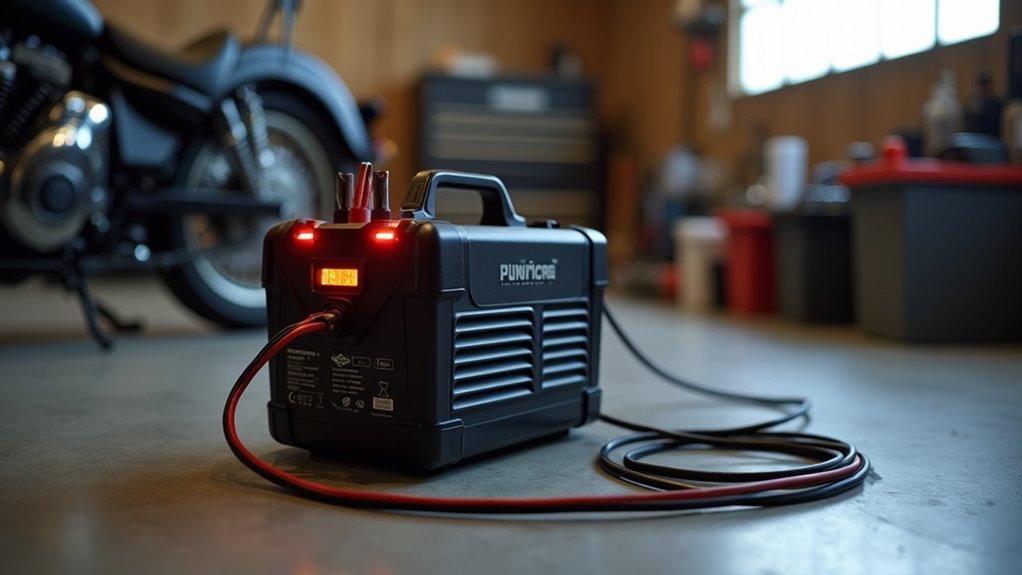
A battery tender is a smart charger that keeps a vehicle battery healthy during long periods of inactivity. It monitors battery voltage and supplies small, controlled charging pulses only when the battery needs them. After reaching full charge, it switches to a low-voltage float mode to maintain capacity without overcharging. This reduces stress and heat on the battery and extends its service life. For anyone who stores cars, motorcycles, boats, or seasonal equipment, a battery tender prevents unexpected dead batteries and saves replacement costs.
What Is a Battery Tender
Should you own a motorcycle, classic car, RV, or boat, it helps you keep a familiar routine and feel ready for the next trip. Unlike a quick fix charger, it’s made for long breaks, not rescue work.
So, you can plug it in, relax, and trust it to support your battery between uses. That steady care can reduce hassles, save time, and help you stay part of the group of owners who plan ahead.
It’s a simple way to protect your gear and your peace of mind.
How a Battery Tender Works
Now that you know what a battery tender does, it helps to see how it actually works day to day. You plug it in, and its smart sensing checks your battery’s voltage. In the event the level falls below set voltage thresholds, it starts charging. Then it eases off as the battery fills, so you don’t feel stuck babysitting it.
- It watches for a safe start.
- It charges in stages, then shifts to float mode.
- It gives a tiny top-off to cover self-discharge.
That cycle keeps your battery ready during storage, whether you’re caring for a motorcycle, RV, or classic car. You get steady support, less stress, and fewer surprise dead starts. It’s a quiet helper that fits right in with your gear.
Battery Tender vs. Regular Charger
As you line up a battery tender next to a regular charger, the difference shows up fast. A tender uses smart charging, so it checks voltage and then eases in power only whenever your battery needs it. A regular charger usually pushes power until you stop it, which works for a quick fill but can be too rough for long term storage.
| Battery tender | Regular charger |
|---|---|
| Keeps battery ready | Fills battery fast |
| Uses smart charging | Often fixed output |
| Switches to float mode | Might keep charging |
| Low stress on battery | More heat risk |
| Best for storage | Better for short use |
If you want your gear to feel cared for, a tender fits that routine. A regular charger helps whenever time matters more than gentle maintenance.
When to Use a Battery Tender
You should use a battery tender anytime a battery will sit unused for more than a couple of weeks, because that’s at which point slow self-discharge starts to sneak in.
It’s a smart fit for seasonal storage, and it helps with long term preservation when you want your gear ready, not grouchy.
Try it whenever you’re:
- Parking a motorcycle for winter
- Storing a classic car between drives
- Setting aside an RV or boat for the off-season
In these cases, you’re not trying to wake a dead battery.
You’re keeping a healthy one steady.
That means less stress, less sulfation risk, and fewer surprise jump starts.
Should you belong to the weekend-rider crowd or the summer-road-trip crew, a tender helps you stay connected to your ride, even while it rests.
Best Battery Types for a Battery Tender
You’ll get the best results with a battery tender when you match it to the right battery type. Lead-acid batteries, including AGM and gel models, usually work well because they respond nicely to smart maintenance charging.
Should you be considering lithium, you’ll want to check compatibility initially, since not every tender plays nicely with it.
Lead-Acid Batteries
- You keep the battery ready for weekend rides.
- You avoid dead starts after storage.
- You protect the battery from stress and premature wear.
When you use a tender, you give your battery a calm routine instead of a rough rush. That steady rhythm helps you feel prepared, and your battery does too, with less chance of damage.
AGM And Gel
Should your battery is AGM or gel, a tender can be a smart, low-stress way to keep it ready for use.
You’ll get the best results whenever you match the charger to the battery’s needs, because AGM maintenance depends on steady, controlled voltage. That helps you protect the plates without pushing too hard.
With Gel chemistry, you need even more care, since these batteries dislike overcharging and heat. A quality tender senses voltage, then shifts into float mode before damage starts.
So you can keep your battery charged during storage and still feel confident every time you turn the key.
In case you use seasonal gear, that quiet support can make your garage feel a little more like a trusted team.
Lithium Compatibility
Should you’ve been caring for AGM or gel batteries, lithium batteries ask for a different kind of attention. You can still use a tender, but only provided it supports lithium settings and the right charging profiles. That matters because LiFePO4 quirks make these batteries behave differently from lead acid ones.
- Check the label for lithium support before you plug in.
- Match the charger to your battery’s voltage and BMS.
- Use float mode only granted the maker says it’s okay.
Whenever you do this, you join the crowd that keeps batteries ready without stress. You also avoid the awkward moment of buying the “right” charger and finding out it’s not quite right.
With the proper tender, your lithium battery stays cared for, safe, and ready whenever you are.
How to Connect a Battery Tender
Initially, you need to pick the correct connection points on the battery so the tender can do its job safely.
Then attach the clamps or leads firmly, making sure red goes to positive and black goes to negative.
After that, plug in the tender and let it start its automatic charging cycle.
Choose Correct Connection Points
- Clip red to positive and black to negative.
- In case the battery sits in a tight spot, use the built-in lead ends or ring terminals.
- Keep the connection solid so the tender reads the battery correctly.
Then, look at the battery label and the vehicle manual for any special reminders. This small step keeps you from guessing, and guessing with batteries is never a fun hobby.
Attach And Power Up
Now that the connections are set, power up the battery tender and let it do its job without a fuss. To start, plug the unit into a grounded outlet, then watch the lights so you know it’s awake and ready. Should your safety checklist be complete, you can relax a bit because the tender should start its automatic cycle on its own.
Next, compare the display with the wiring diagram to confirm you connected the clamps or ring terminals correctly. You’ll usually see a charging light, then a maintenance light once the battery fills. Keep the area dry, leave the vents open, and don’t tug the cables. With everything steady, you’re not just charging, you’re giving your battery a dependable little home between drives.
Battery Tender Charging Indicators
At the point you connect a battery tender, the indicator lights usually tell you exactly where the battery stands, and that can take a lot of guesswork off your shoulders. You’ll often see LED patterns that shift from red to yellow to green, so you can relax and feel like you’re part of the right routine.
- A steady red light can indicate charging is underway.
- A blinking light might show the tender is checking voltage or switching stages.
- A green light usually tells you the battery is ready for maintenance mode.
Some models also use temperature compensation, which helps the charger adjust in hotter or colder spaces. That matters because you want safe, steady care, not drama from your garage.
Whenever the lights change, you don’t need to panic. You just need to read them and stay connected.
How Long to Leave a Battery Tender On
You don’t need to guess how long to leave a battery tender on, because it works via checking your battery and switching modes on its own.
For most batteries, you can leave it connected during storage, since the tender shifts into safe maintenance mode after charging is complete.
Still, you should watch for a full-charge light, a maintenance light, or any warning sign that tells you it’s time to unplug or check the setup.
Charging Time Basics
Because a battery tender works as a maintainer, not a fast charger, the time you leave it on depends more on the battery’s condition than on the clock.
In case your battery is already healthy, you can let it stay connected while you follow your charge calendar and check it now and then with an amp calculator.
For a quick guide, look at:
- Newer batteries: a few hours to top off
- Stored batteries: overnight or longer
- Weekend vehicles: as long as they’re parked
You’re part of the club here, so you don’t need to guess or rush.
The tender senses voltage, then switches to float mode once the battery fills up.
That means you can keep your battery ready without babysitting it all day.
Safe Maintenance Duration
A battery tender can stay connected much longer than a regular charger, and that’s the whole point of using one for storage. You can often leave it on for weeks or months because it checks the battery and only adds power when required.
Still, you should match that habit to your storage temperature and battery type, since hot garages and freezing sheds change how the battery behaves. During seasonal monitoring, glance at the lights and cords every so often, and make sure the area stays dry, clean, and well ventilated.
In the event you store a motorcycle, RV, or classic car, the tender helps you keep the battery ready without babysitting it. That steady care lets you feel like part of the smart storage crowd.
Signs To Unplug
Keep an eye on the charger lights, because they tell you once the battery has had enough. Provided the light turns green or the maintainer shifts to float mode, you can usually unplug it with confidence. You should also listen for a quiet fan and feel for warmth that fades, since those signs show the battery isn’t working hard anymore.
- Green or steady status light: charging is done.
- Low heat and no humming: the tender is just holding charge.
- Long idle storage: seasonal unplugging can wait until the next use.
Watch for indicator misinterpretation, though, because some lights look the same in dim garages. In case of doubt, check the manual and trust the full pattern, not one blink. That way, you stay in the club of prepared owners.
Common Battery Tender Safety Tips
Most of the time, battery tender safety starts with simple habits that protect both you and your battery. To begin, check the clips before you connect them, and keep the area dry. Good spark prevention means attaching the tender to the battery before plugging it into the wall, then unplugging it before you remove the clamps.
Next, follow ventilation requirements, especially in case you charge in a garage, shed, or storage bay. Fresh air helps keep heat and fumes from building up.
Also, place the charger on a stable surface, away from fuel, tools, and loose wires. Then, use the right charger for your battery type and size. Lastly, inspect the cord often and replace damaged parts. These small steps help you feel confident, like you’re part of the smart battery-care crowd.
Can a Battery Tender Recondition a Battery?
Should your charger has already kept your battery safe during storage, you might still question whether it can bring life back to a weak one.
A battery tender helps with maintenance, not miracles, so you should expect limits. In the event your battery only lost charge, slow battery reconditioning could help, and the tender can support that process via holding a steady, gentle voltage.
- It might help reduce sulfation through sulfation reversal.
- It can support a full recharge after light discharge.
- It usually can’t fix a battery with broken cells or severe damage.
Common Battery Tender Problems and Fixes
Even a good battery tender can act up now and then, and that can feel frustrating whenever you just want your battery to stay ready. You can usually fix the common stuff fast. Here’s a quick look:
| Problem | Fix |
|---|---|
| No lights | Check outlet, plug, and fuse |
| Slow charging | Clean clamps and battery posts |
| Wrong readings | Tighten leads and retest |
Should the charger won’t start, look for connection corrosion and wipe it away with a dry brush. Should the battery still drops, your tender might not be giving enough sulfation prevention, so let it finish its cycle. You should also check for loose clips, damaged cords, or a battery that’s already too far gone. Whenever you stay patient, you and your tender usually get back in sync quickly.
Choosing the Right Battery Tender
Anytime your battery tender starts acting up, the next step is picking one that fits your battery and your storage habits. You want the right match, so your ride feels cared for, not guessed at. Check these points:
- Battery type and voltage: Match AGM, lead-acid, or lithium, and confirm 6V or 12V.
- Size selection: Choose a model with enough output for your battery size, but not so much that it pushes too hard.
- Warranty comparison: Look at coverage length, support, and replacement terms before you buy.
If you store a motorcycle, classic car, or RV, choose a smart maintainer with float mode. That way, you stay in the group of owners who keep batteries ready, calm, and dependable through every season.
Frequently Asked Questions
Can a Battery Tender Stay Connected All Winter?
Yes, you can leave it connected all winter for battery maintenance during winter storage, provided you use a quality tender and follow the maker’s instructions. You will keep your battery ready and avoid damaging overcharge.
Does a Battery Tender Use a Lot of Electricity?
No, it does not use a lot of electricity. You will see very low energy consumption and a tiny standby draw, so you can keep your battery cared for without worrying about a big power bill.
Can One Battery Tender Charge Multiple Batteries?
Yes, you can, but only provided you use a charger designed for parallel charging; otherwise, you risk hurting battery lifespan. Many hands make light work, yet you will want matched batteries and proper safeguards.
Is It Safe to Use a Battery Tender Outdoors?
Yes, you can use one outdoors provided you protect it with weatherproof cases and keep connections dry. You will want outdoor storage only in sheltered spots, because rain, moisture, and extreme temperatures can damage it.
Do Battery Tenders Work on Deeply Discharged Batteries?
Usually not — you can’t expect a battery tender to rescue a deeply discharged battery overnight. It’s better for maintenance, though some models offer deep cycle recovery and sulfation reversal provided you give them time and patience.