Book Appointment Now

How Long Do Rechargeable Batteries Last
Rechargeable batteries commonly last between 2 and 7 years depending on chemistry and usage. Lithium-ion cells typically survive 300–500 full charge cycles before noticeable capacity loss. NiMH batteries often handle 500–1,000 cycles but suffer from self-discharge and heat sensitivity. Proper charging habits, moderate temperatures, and avoiding deep discharges extend usable life. Storage at partial charge in cool conditions slows aging and preserves capacity.
How Long Rechargeable Batteries Last
Rechargeable batteries usually last anywhere from 2 to 7 years, but that number can feel a little fuzzy because it depends on how you use them, how well you charge them, and what kind of battery you have.
You can expect different results from NiMH, lithium-ion, and long-life LiFePO4 cells, so your experience mightn’t match your friend’s. Some batteries could only give a few hours per charge, while others keep going much longer.
As you watch seasonal performance, you might notice colder or hotter months change how your devices feel day to day.
Once a battery starts holding less power, you can look at disposal options that fit your local rules. That way, you stay prepared, and your gear stays ready whenever you need it most.
What Affects Rechargeable Battery Lifespan
Several things can shape how long your battery lasts, and most of them come down to everyday habits rather than bad luck. Heat hurts, so keep your battery cool and out of direct sun. Deep drains can wear it down faster, so recharge before it hits empty. Good storage also matters, because a battery left full or drained for too long might age sooner.
- Use the charger meant for your device.
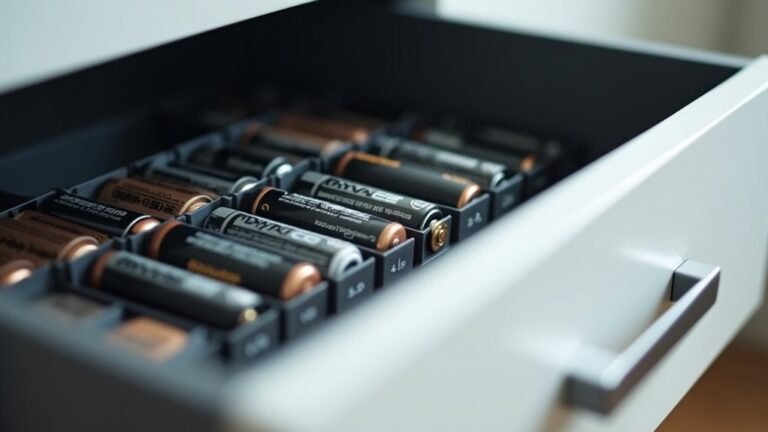
- Store spare batteries at a partial charge.
- Watch for swelling or sudden drops in power.
At times, manufacturing defects can shorten life regardless of how careful you are. You can’t control every part of the environmental impact either, but you can make choices that help your battery stay strong and feel like part of your everyday crew.
How Many Charge Cycles Rechargeable Batteries Get
A battery can keep you going through a lot of small wins, but its charge cycles tell you once that energy starts to fade.
You usually get about 300 to 1,500 cycles from many rechargeable batteries, and some last more when you treat them well.
A cycle means one full drain and recharge, though partial use still counts over time.
Should you keep cycle depth shallow, you can slow wear and protect your pack.
But calendar aging keeps moving too, even barely using the battery.
That means time and use work together.
So, were your battery to feel weaker sooner than expected, you’re not alone.
You’re seeing normal aging, not a personal mistake.
Careful charging helps you stretch those cycles a bit longer.
Battery Lifespan by Type
Your battery’s lifespan depends a lot on its chemistry, so lithium-ion and nickel-based batteries won’t age the same way.
Lithium-ion cells usually last about 2 to 3 years, while nickel-based batteries often give you around 2 to 5 years with good care.
Provided you know the type you’re using, you can set better expectations and avoid a surprise slowdown later.
Lithium-Ion Battery Lifespan
Lithium-ion batteries usually last about 2 to 3 years, or around 500 to 1,000 charge cycles, and that range can feel a little frustrating should you have expected them to stay strong forever. But you can still get solid service when you treat them well.
- Keep them cool to slow wear.
- Avoid deep drains whenever possible.
- Use safe fast charging, since heat can push them toward thermal runaway.
Your battery’s daily life depends on how hard you ask it to work, so a phone that powers heavy apps could age faster than one used lightly. In case you stay in the middle range and charge with care, you’ll often keep better capacity for longer. That helps you feel less stuck and more in control of your gear.
Nickel-Based Battery Lifespan
Nickel-based batteries can still earn their keep, especially whenever you want a steady, affordable power source that doesn’t ask for much drama.
You’ll often get about 300 to 500 cycles from NiMH cells, and older NiCd packs can reach around 1,000 cycles with good care. Still, you need to watch for memory effect, because partial charging habits can trim usable capacity over time.
Heat, deep discharge, and poor charging also shorten life fast. So, if you charge them with the right charger and avoid long storage in hot places, you give them a better shot at staying useful.
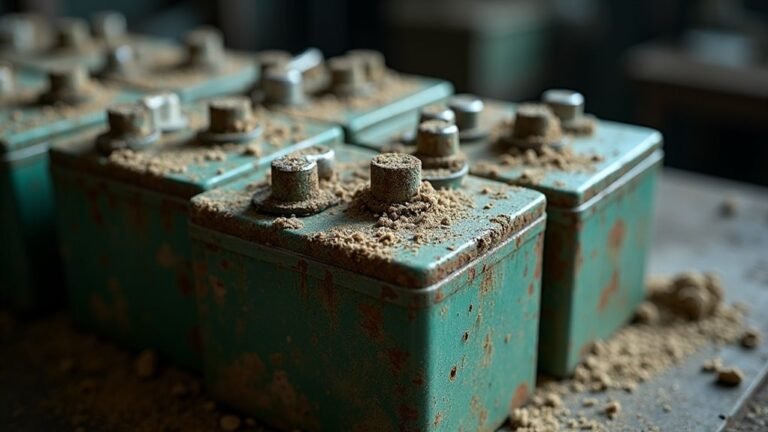
You should also check for terminal corrosion, since it can weaken contact and make a healthy battery seem tired.
How to Make Rechargeable Batteries Last Longer
A few smart habits can add years to a rechargeable battery’s life, and the positive part is that most of them are easy to follow. You don’t need fancy gear; you just need steady care and a little attention.
- Keep temperature management simple: avoid hot cars and sunny windows.
- Follow smart charging habits: unplug when full and skip deep drains.
- Use the right charger so your battery stays comfortable and protected.
Whenever you treat your battery well, it gives more back to you day after day. Try to keep the charge between 20% and 80% whenever possible, and store it partly charged should you not use it for a while.
These small moves help your battery stay in the group longer, ready when you need it, without the drama of premature wear.
Signs Your Rechargeable Batteries Need Replacing
You’ll often notice a clear warning sign whenever your rechargeable battery starts holding power for less time than it used to.
Provided it swells, leaks, or looks misshapen, stop using it right away.
Those changes usually mean the battery’s health has slipped, and replacing it can help keep your device safe and reliable.
Reduced Runtime
Whenever your rechargeable batteries start dying much faster than they used to, that’s often the clearest sign that they’re wearing out. You might notice reduced performance in your flashlight, remote, or headphones, and the shorter runtime can feel frustrating.
That drop usually means the battery can’t hold as much energy as it once did, so you’re charging it more often just to keep up.
- Your device powers off sooner than usual.
- A full charge doesn’t last through normal use.
- The battery seems fine at the outset, then fades fast.
Should this keep happening across several charges, you’re probably coping with age, not a bad day. You can still use the battery for light tasks, but provided it’s letting you down during regular routines, it’s time to plan a replacement.
Swelling Or Leakage
Whenever a rechargeable battery starts to swell or leak, it’s more than a small annoyance. You should treat battery swelling as a clear warning that the cell is failing inside.
In case you see a puffed shape, stop using it right away. Next, look for sticky spots, crust, or a sharp smell, because electrolyte leakage can irritate skin and damage your device.
You belong to the group of smart users who notice these signs promptly and act fast. Remove the battery carefully, keep it away from heat, and place it in a safe container. Then replace it with a new one that matches your device.
A healthy battery stays flat, dry, and secure. Whenever yours doesn’t, trust that message and move on.
Frequently Asked Questions
Can Rechargeable Batteries Be Overcharged Safely?
No, you should not overcharge rechargeable batteries. Modern ones often stop charging safely and include indicators. To protect battery memory, unplug after a full charge, use the correct charger, and stay with your device while it charges.
Do Rechargeable Batteries Lose Charge While Stored?
Yes, they do; your batteries quietly lose charge while stored, which is annoyingly normal. Self discharge rates vary across chemistry, and keeping them at the right storage voltage helps your pack stay ready for you longer.
Is Fast Charging Worse for Rechargeable Battery Lifespan?
Yes, fast charging can shorten your battery’s lifespan if it causes thermal stress and rapid degradation. You can protect it by using the right charger, avoiding heat, and charging more slowly whenever possible.
Can Cold Temperatures Damage Rechargeable Batteries?
Yes, cold temperatures can temporarily reduce your rechargeable battery’s performance, but they usually do not damage it provided you avoid freezing while charging. You will often see capacity recovery once it warms back up. Cold storage helps preserve it.
Are Rechargeable Batteries Recyclable When Worn Out?
Yes, you can recycle worn out rechargeable batteries through battery recycling programs, and you should avoid hazardous disposal. You will protect your community, recover materials, and fit in with neighbors who handle batteries responsibly.