Book Appointment Now


Best Practices for Long Term Battery Storage
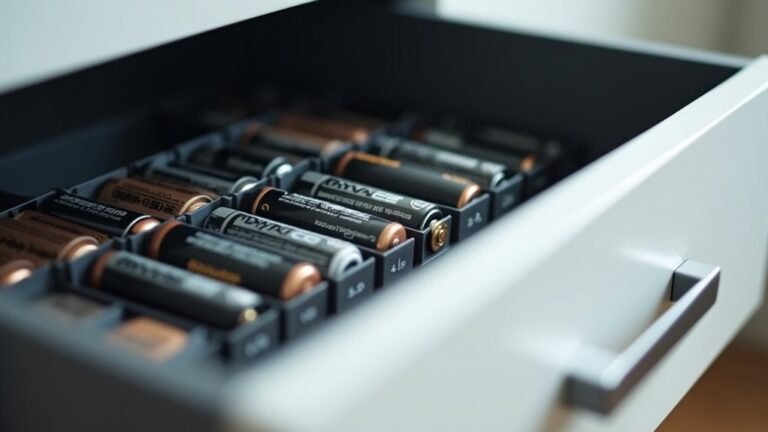
Proper battery storage prevents heat, moisture, and shorts from starting failures. Label cells with chemistry and date, remove them from devices, and store rechargeables at about 40–60% charge. Keep batteries in a cool, dry, dark place inside a fire-resistant container with each terminal covered. Keep metal objects away from stored cells to avoid accidental shorts. Small, regular checks on charge and condition greatly reduce risk of damage or fire.
Check Battery Type Before Storing
Before you tuck batteries away for long-term storage, you need to know exactly what type you have, because each chemistry ages a little differently.
Whenever you do quick chemistry identification, you protect your pack and avoid guesswork later.
Check the label for lithium-ion, alkaline, nickel metal hydride, or lead-acid, and match that name with the device manual.
In case the markings look faded, look for model numbers and search them before you store anything.
Next, compare what you find with manufacturer recommendations, since makers often list safe storage notes, shelf life, and warning signs.
This small step helps you feel confident, not swamped.
It also keeps you in the same smart routine as other careful battery owners, which makes the whole job easier.
Charge Batteries to the Right Level
Set rechargeable batteries at the right charge level so they rest without stress. For most packs, aim for about 40% to 60% charge, since that range helps you stay near the ideal voltage and slows aging. Should you’re storing them for months, this middle ground keeps your gear ready without pushing it too hard.
You don’t need perfection, just a steady habit that fits your routine. Check the charge every 90 days during long storage, because storage cycles can nudge the level lower over time. In case a battery slips too far down, give it a gentle top-up before it drifts out of its comfort zone.
Avoid leaving it full or empty, since both can wear it out faster and make tomorrow’s use feel less friendly.
Remove Batteries From Devices
Slip batteries out of your devices and give them a proper break. Whenever you do device removal, you stop slow drain and help the cells rest.
Next, check that the device is off, then open the battery compartment with care. In case the batteries feel stuck, wiggle them gently instead of forcing them. That small pause can save you a bigger headache later.
After removal, look for any signs of rust, swelling, or leakage, and set damaged cells aside for safe handling. For rechargeable packs, power cycling can help before storage, since it clears leftover charge and keeps things steady.
Then group each battery with its matching device notes, so your storage routine stays calm, clear, and easy to trust.
Choose a Cool, Dry Storage Spot
You should pick a storage spot that stays cool and dry, because heat and moisture can wear batteries down faster than you’d expect.
Aim for about 15°C to 25°C, and try to keep them out of humid rooms like basements or garages.
A steady, dark place helps protect the casing too, so your batteries can wait safely for the next time you need them.
Ideal Temperature Range
A cool, dry storage spot can make a big difference in how long your batteries stay healthy. Keep the space between 15°C and 25°C, and aim near 15°C whenever you can. That range slows wear without making the cells work harder than they should.
You can also use ambient monitoring to watch the room and catch hot spots promptly. Whenever seasonal variations bring summer heat or winter chills, move batteries to a steadier place so they don’t keep cycling up and down.
Choose a dark shelf away from ovens, vents, and windows, because steady conditions help you protect your stash like a smart teammate. With a little care, you give your batteries a calmer, longer life.
Avoid Humid Areas
Moisture can sneak up on your batteries, so it helps to store them in a dry place where damp air can’t do much harm.
You want a spot that stays cool, shaded, and steady, because humid corners invite rust and weak seals.
Use humidity indicators to check the air before you settle on a shelf, closet, or cabinet.
Then choose ventilation strategies that let fresh air move without letting in dampness, like a louvered door or a small vent.
Keep batteries off concrete, away from sinks, and clear of basements that collect moisture after storms.
Should you employ a sealed box, add a desiccant pack inside.
That extra step helps your batteries stay safe, so your gear’s ready whenever your team.
Use Safe Battery Storage Containers
You should keep your batteries in a fire-resistant container so you’ve got an extra layer of protection in case one starts to overheat.
Pick a sturdy, non-conductive container that fits the batteries well, and label it clearly so you know what’s inside and how old it is.
That small step helps you stay organized and makes storage feel a lot less risky.
Fire-Resistant Containers
Inside a fire-resistant container, your batteries get an extra layer of safety that can matter a lot in case you’re storing them for the long term. Choose fireproof cabinets or lined boxes with thermal barriers so heat has a harder time spreading. That choice helps you feel like you’re taking care of your gear, not just hiding it away.
| Container | Benefit | Best Use |
|---|---|---|
| Fireproof cabinet | Slows flames | Home storage |
| Lined metal box | Adds shielding | Small packs |
| Sealed safe case | Limits spread | Travel stash |
You’ll still want a cool, dry spot, but the container gives you a stronger starting point. Keep batteries separated inside it, and use non-conductive inserts whenever you can. That way, your storage setup feels safer, calmer, and ready for the wait.
Proper Container Labeling
Clear labels can save you a lot of worry later, especially while batteries sit in a safe storage container for weeks or months. You stay in control whenever you name each pack according to type, date, and charge level. That helps your group keep things orderly and calm.
- Use color coding to spot chemistry fast.
- Add the storage date and purchase date.
- Keep digital logging so you can track checks.
After that, match each label to the battery’s state. Provided one needs a top-up or removal, you’ll know right away. Use waterproof tags and clear marker ink so the text stays readable. Also, separate damaged units with a bold warning label. Whenever everyone can read the system, your storage feels safer, simpler, and more like a team effort.
Keep Batteries Away From Heat and Moisture
Heat and moisture can quietly wear down batteries, even while they sit untouched on a shelf. You can protect your stash by choosing a cool, dry spot, away from sun, heaters, and damp air. Aim for 15°C to 25°C, and use thermal insulation or moisture barriers whenever your space feels risky.
| Condition | What you do | Why it helps |
|---|---|---|
| Warm air | Move batteries lower | Slows aging |
| Damp room | Add desiccant | Cuts corrosion |
| Steady shelf | Keep them dark | Limits stress |
| Humid area | Seal containers | Blocks moisture |
Whenever you store them this way, you’re joining a smart group that values care over waste. Check the area now and periodically, because small changes can sneak up fast. Your batteries will thank you with steadier performance later.
Separate Batteries From Metal Objects
Even provided you’ve already picked a cool, dry shelf, you still need to keep batteries away from metal objects, because one small contact can turn safe storage into a risky mess.
You protect your stash whenever you use terminal covers and keep loose cells in separate bins. That way, you avoid the tiny spark that can spoil your peace of mind.
- Place batteries in original boxes or insulated dividers.
- Keep coins, tools, and paper clips in another spot.
- Tape exposed terminals should the pack allow it.
Whenever you sort batteries this way, you make storage feel calm and organized.
You also help your household stay safer, because each cell has its own space.
In case you’ve ever fumbled for keys near a battery drawer, you know why this matters.
Inspect Batteries During Storage
You should inspect stored batteries every few months so small problems don’t turn into big ones.
Look for swelling, cracks, dents, or any sticky residue around the case and terminals.
In the event you spot a leak, corrosion, or a strange smell, set that battery aside right away and handle it with care.
Visual Condition Checks
During storage, a quick visual check can save a battery from turning into a surprise problem later. You’re not being fussy; you’re protecting your gear and joining the habit smart battery owners use.
- Look for external damage like dents, cracks, or bulges.
- Check terminal discoloration, because dull or odd color can hint at stress.
- Make sure the case still looks clean, dry, and snug in its holder.
If you spot anything off, set that battery aside and handle it carefully.
Next, compare it with the others in your storage area so you can catch changes promptly. A simple glance every few months helps you stay in control and keeps your storage routine calm, safe, and ready for the long run.
Leak And Corrosion Signs
A battery that looks fine on the outside can still hide a small problem, so leak and corrosion checks matter just as much as surface damage. You should look for wet spots, crusty buildup, or sticky residue around the terminals and seams. These chemical markers often signal a slow leak before the case fails.
Next, check the packaging materials too. Should the box feels damp, stained, or warped, moisture could be creeping in and helping corrosion spread. You can catch trouble sooner through smelling for sharp, sour odors and via wiping away any dust that shouldn’t be there.
Were you to spot any change, move the battery apart from the others right away. That simple habit helps your storage space stay safe, calm, and ready for the next charge.
Follow Rechargeable Battery Storage Rules
In case you store rechargeable batteries the right way, they can stay safer and last much longer. You’ll fit right in whenever you follow simple storage rules that protect every pack in your home. Keep them at 15°C to 25°C, away from sun, heat, and damp spots. Store them at about 50% charge, and use charge cycling and storage analytics to check aging packs before they drift too low.
- Place batteries in a dry, dark container.
- Keep terminals separated in original cases.
- Check charge every 90 days.
That small routine helps you avoid stress on the cells and keeps your stash ready for the next job. Also, label dates so you can rotate older stock initially. These habits make storage feel easy, and they help your battery crew stay strong together.
Prepare Batteries Safely Before Reuse
Before you power a battery back up, give it a careful check so you don’t bring a concealed problem back into use. Start by cleaning dust from the case and checking for swelling, leaks, or cracked terminal insulation. Provided anything looks off, set that battery aside.
Next, examine the voltage with a meter and compare it with the maker’s range. For rechargeable packs, use voltage balancing whenever cells drift apart, because uneven cells can act tired and weak.
Then let the battery rest at room temperature before you install it. Finally, confirm that contacts are dry, tight, and free of corrosion. This simple routine helps you feel ready, and it also helps your whole battery group stay safe together.
Frequently Asked Questions
How Often Should Stored Batteries Be Checked for Damage?
You should check stored batteries every few months. During visual inspections, look for swelling, leaks, or odors, and also inspect the terminals for corrosion. This helps you catch problems promptly and keep your batteries safe and ready.
Can Different Battery Chemistries Be Stored Together Safely?
No, you should not store different chemistries together; keep them separate for chemical compatibility and to avoid cross contamination risks. You’re safer whenever you follow the old saying, “A stitch in time saves nine.”
What Humidity Level Is Best for Battery Storage?
You’ll do best around 30% to 60% relative humidity; keep it below 65% provided you can. That optimum humidity supports corrosion prevention, helping your batteries stay safer, cleaner, and ready whenever you need them.
Should Batteries Be Stored in Original Packaging or a Case?
You should store batteries in their original packaging or a protective case, because both keep terminals isolated and help you avoid shorts. If you have opened the pack, a non conductive case is your best backup.
When Should Rechargeable Batteries Be Topped up During Storage?
You should top up rechargeable batteries every 3 months for long storage, or at least every 6 to 12 months for many packs. Keep them at partial charges and use maintenance cycles to stay ready together.