Book Appointment Now

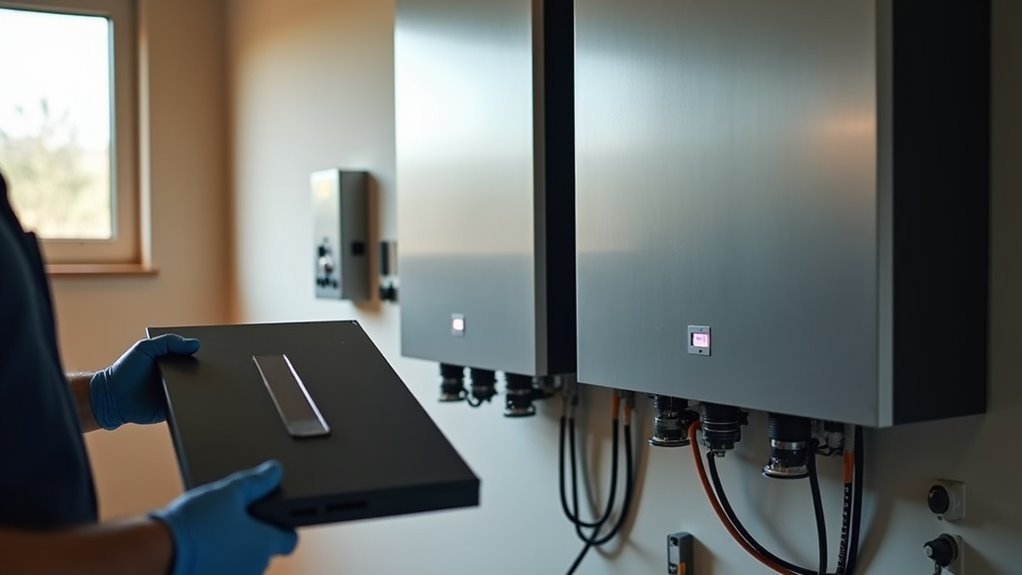
How Solar Batteries Store Energy
Solar batteries store extra electricity your solar panels produce after home needs are met. They convert that electricity into chemical energy for later use. A charge controller manages charging to protect the battery, while an inverter converts stored DC into AC for household devices. Different battery chemistries—like lithium-ion and lead-acid—use different internal reactions and affect storage duration and lifespan. Choosing the right battery influences how long your system supplies power during evenings and outages.
What Solar Batteries Store
At its core, a solar battery stores the extra electricity your panels make while the sun is shining strong. You keep that power close, so it can help you later at night or on cloudy days.
In most homes, the battery holds energy as chemical storage, waiting until you need it. That makes your system feel steadier and more dependable. It also supports seasonal storage, which can soften the gap between bright months and darker ones. For many families, this matters because energy equity means more people can use the sunshine they create.
Whenever your panels make more than you use, the battery captures the surplus instead of letting it go to waste. Then your home gets a calmer, more reliable flow of power.
How Solar Batteries Capture Solar Power
When sunlight hits your solar panels, they turn it into direct current electricity that your home can actually use later.
Next, a charge controller or inverter guides any extra power into the battery so it can start storing energy safely.
From there, the battery turns that electricity into a chemical form and holds it until you need it.
Solar Panel Conversion
Solar batteries start working the moment your panels make more electricity than your home needs, because that extra power doesn’t have to go to waste. Your solar panel turns sunlight into DC electricity, but real life brings efficiency degradation, shade, and changing weather. Once that happens, the battery still captures the surplus and keeps it safe for later.
- You send extra power into storage instead of losing it.
- The battery holds that energy as chemical potential.
- Your home can use it after sunset or on cloudy days.
This simple handoff helps you feel part of a steadier energy routine. You’re not just making power, you’re keeping it close, so your house can stay comfortable as the sun takes a break.
Charge Controller Role
Because your panels can make more power than you’re using, the charge controller steps in and gives that extra energy a safe path into the battery. You can regard it as the steady guide in your solar family, keeping things calm and fair.
It watches voltage and current, then matches the battery’s needs so the system stays protected. With mppt algorithms, it finds the best power point and helps you capture more from changing light.
Whenever sunlight drops or surges, the controller adjusts fast, so you don’t waste energy. Simple shunt regulators can also help in smaller setups by limiting overcharge.
That way, your battery gets the right flow, and your home keeps building stored power with confidence.
Battery Charging Process
Now, let’s follow the power as it makes its move into your battery. You and your system work together whenever solar panels send direct current to the controller, and it routes only extra power into storage. In an AC-coupled setup, the electricity switches forms initially, then returns to DC for charging.
- This flow enhances charge efficiency.
- Lithium ions travel through the electrolyte and settle into a chemical home.
- Thermal management helps keep the battery steady and safe.
As charging continues, your battery holds that energy until your home needs it. Then it waits like a trusted neighbor, ready for evening lights, cloudy days, or a surprise outage.
That calm storage gives you more control and a stronger sense of belonging in your own energy system.
Main Parts of a Solar Battery System
Your solar battery system leans on three key parts: the battery cells, the charge controller, and the inverter system.
The cells hold the energy, the charge controller keeps charging safe and steady, and the inverter turns stored DC power into the AC power your home can use.
Once you know how these parts work together, the whole system feels a lot less mysterious and a lot more manageable.
Battery Cells
At the heart of a solar battery system, the battery cells quietly do the heavy lifting. You can regard them as the team members that hold your extra solar power until you need it. Inside each cell, chemicals store energy, and at the moment your home calls for help, the cell gives that energy back.
- Battery management keeps each cell working safely and evenly.
- Good design helps lower the risk of thermal runaway.
- Healthy cells let you feel ready for nights, clouds, and outages.
Because each cell works with the others, you get steadier power and a system that feels reliable. That matters whenever you want your home to stay comfortable and your family to stay connected.
With the right cells, you’re not just storing energy. You’re building a little backup crew that’s got your back.
Charge Controller
A charge controller quietly guides the flow of power so your solar battery can charge safely and smoothly. You can regard it as the system’s careful gatekeeper, and that helps you feel confident whenever the sun is strong.
It watches voltage and current, then trims output before your battery gets too full. That protection matters because steady charging supports longer battery life.
Many controllers also track maximum powerpoint settings, so you get the best usable energy without stressing the cells. Should your setup include bluetooth diagnostics, you can check performance from your phone and spot problems fast.
In a well-matched system, the controller works with your panels and battery, keeping energy moving in a calm, reliable way that fits your home.
Inverter System
Power flows through the inverter, and that matters because this device turns stored battery power into the kind of electricity your home can actually use. You get steady AC power for lights, chargers, and appliances, even after the sun’s gone.
In many homes, grid independent inverters help you stay ready during outages, so you don’t feel left out once the weather turns rough.
- They change battery DC into usable AC.
- They work with smart meter integration to track energy flow.
- They help your system switch smoothly between solar, battery, and grid power.
Because the inverter links the battery to your home, it keeps energy moving in the right direction. That connection gives you comfort, control, and a real sense that your home is set up for you.
How Solar Batteries Store Energy Chemically
Solar batteries store energy chemically, and that’s what lets your home keep running after the sun goes down. Inside the cells, you join a quiet teamwork of ions and electrodes.
During charging, ion intercalation pushes lithium ions into one side of the battery, while a solid electrolyte guides their path and helps keep the reaction steady. That process traps energy as chemical potential, not as heat or light.
Then, once your family needs power, the ions move back, and the battery releases that stored energy as electricity. Because the reaction is reversible, you can count on your system to hold power through evenings, cloudy days, and brief outages. It’s a smart, familiar way to keep your home comfortable and connected.
Why Charge Controllers Matter
You need a charge controller because it keeps the power from your solar panels at a safe level for your battery.
It stops overcharging before it can wear your battery down, and it helps steady the flow of energy as sunlight changes.
With that control in place, your battery can last longer and work more reliably whenever you need it most.
Prevent Overcharging Damage
A charge controller matters because it stops the battery from taking in more energy than it can safely hold. You stay protected, and your system feels more reliable, too.
As charging rises too high, heat builds and stress follows. A battery balancer helps keep each cell even, while temperature sensors watch for unsafe warmth and let the controller react fast.
- It cuts extra power before damage starts.
- It keeps battery life steadier over time.
- It helps you feel confident on sunny days.
That control matters because your battery stores energy as chemicals, not as endless space. So once the charge stays in range, you keep your home ready for night, clouds, and those moments whenever you just want backup you can trust.
Regulate Solar Input
Keep the power flowing through using a charge controller that fits your system’s needs. You stay in control whenever this device matches your panel output and battery setup. It acts like a steady guide, so sudden bursts don’t rush in and disrupt charging.
With smart regulators, your system reads changing sunlight and adjusts quickly. That means cloudy moments, bright spikes, and shifting shade get handled with less stress on the battery path. Input smoothing also helps insofar as easing uneven power prior to it reaching storage.
Protect Battery Lifespan
Protecting battery life starts with treating charging like a careful handoff, not a race. Whenever you use a charge controller, you help your battery take in power at the right pace, which cuts stress and slows wear.
That matters because heat and overcharge can shorten the years you get from your system.
- You support temperature management by keeping charging calmer.
- You reduce deep strain on lithium-ion cells and other chemistries.
- You improve warranty optimization by staying within maker limits.
How Battery Inverters Manage Power Flow
Battery inverters quietly act like traffic cops for your solar power, deciding where each watt should go and whenever it should move. You can regard them as the smart bridge between your battery and the home.
They keep grid synchronization steady, so your system matches the utility’s frequency and voltage without awkward slips. Then, predictive algorithms help the inverter read your energy pattern and prepare for changes before they feel sudden.
Whenever sunlight fades or clouds pass, it shifts power flow smoothly and safely. Should your battery be charging, it guides excess power inward. In case your system is ready to send power out, it converts DC to AC for a steady household supply. That control helps you feel supported, not left guessing.
How Stored Solar Power Gets Used
Once the inverter has sent stored power the right way, your home can actually start using it with very little fuss. You feel that shift right away, especially as the sun drops and your lights stay on. That’s load shifting in action, and it helps you use energy whenever it suits your routine.
- Your fridge keeps humming.
- Your phone charger stays ready.
- Your evening plans feel steady.
During demand response, your system can also support the grid while still keeping your household comfortable. You don’t have to micromanage every switch, because the battery steps in at times demand rises. Then your home pulls from stored solar power, and you stay connected to the life you’ve built. It’s a simple handoff that makes energy feel a lot more like it belongs to you.
What Impacts Solar Battery Storage Capacity
As sunlight fills your panels, your battery can only hold so much, and that limit depends on a few key things. Your battery’s rated capacity sets the ceiling, but real use often changes it.
Temperature effects matter because heat and cold can trim how much energy you can store and use. Then, depth of discharge also plays a role, since draining the battery farther can leave less reserve for the next cycle.
Your charging setup matters too, because a smart controller helps you fill the battery safely without wasting power. Even your daily habits count, since using less energy at night keeps more ready for tomorrow.
Whenever these pieces work well together, you get steadier backup and a system that feels built for your home.
Lithium-Ion vs. Lead-Acid Batteries
Choosing between lithium-ion and lead-acid batteries can feel a little overwhelming at initially, but fortunately each one works in a clear way. Should you want a system that fits your home and your goals, being aware of the difference helps you feel more confident.
- Lithium-ion gives you better cycle stability, so it handles daily charging well.
- Lead-acid usually costs less upfront, but it needs more care.
- Lithium-ion also asks for smarter thermal management, which helps it stay safe and steady.
You’ll often like lithium-ion provided you want lighter gear, faster charging, and less upkeep. Lead-acid can still work assuming you’re okay with bulk and shorter life.
In both cases, the battery stores extra solar power for later use, so you’re not alone when the sun’s gone.
How Solar Batteries Work at Night
You’ve already seen how lithium-ion and lead-acid batteries compare, and now it helps to look at what they actually do after sunset. At night, your panels stop making power, so your battery steps in and shares the energy you saved earlier.
| What happens | Why it matters |
|---|---|
| Battery wakes up | It fills the evening gap |
| Inverter changes DC to AC | Your appliances can run normally |
| midnight discharge starts | Energy flows whenever you need it most |
| standby losses stay low | Less stored power slips away |
That slow, steady release feels reassuring because your home still has a familiar rhythm. You can cook, read, and relax without chasing the clock. As the battery works, it keeps you connected to your own solar energy, even after the sky goes dark.
How Solar Batteries Help During Outages
As soon as the grid goes down, your solar battery can step in and keep the lights on. You don’t have to scramble alone, because the system senses the outage and sends stored power to your home. It keeps your critical loads running, like lights, phones, and a fridge, so your daily routine stays steady.
- Your battery supplies power instantly.
- Your inverter turns stored DC into AC.
- Your home stays connected to what matters most.
That quick switch supports community resilience, too, because neighbors can stay informed, safe, and calm together. During the outage lasts, you still feel prepared, not stranded. Even a short blackout feels easier whilst your battery carries the load and helps your household stay grounded, connected, and cared for.
How to Make Solar Batteries Last Longer
Keeping your solar battery healthy means it can keep helping as the sky turns cloudy or the grid goes quiet. You’ll get the best life from it whenever you treat battery maintenance like part of your home routine.
Keep the battery in a cool, dry spot, since heat can age it faster. Also, avoid deep discharges whenever possible, because gentle cycling helps the cells stay strong.
Next, check your app or display for odd drops in charge, then call your installer should something look off. Clean dust from vents and connections so airflow stays steady.
Finally, follow warranty tips closely, because using approved settings and service can protect coverage and save you stress later. With a little care, your battery can stay ready for your family.
Frequently Asked Questions
What Happens When a Solar Battery Is Fully Charged?
Whenever your solar battery is fully charged, battery management stops further charging and your system might redirect excess power to the grid or home. You will wait for the next charge cycles, keeping your energy community resilient.
Can Solar Batteries Store Energy Without Direct Sunlight?
Yes, you can. Like a knight with a lantern, you will store energy harvested earlier from panels, then use it afterwards or on cloudy days. With off grid integration, you are still covered whenever sunlight is absent.
How Much Space Do Home Solar Batteries Usually Require?
You will usually need a battery footprint about the size of a small suitcase or cabinet, plus installation clearance around it. Wall mounted units save space, and you can often fit one in a garage or utility area.
Are Solar Batteries Safe to Install Indoors?
Yes, you can install solar batteries indoors provided you follow manufacturer guidelines, meet ventilation needs, and manage fire risk. You will want a qualified installer, proper clearance, and local code compliance so your home stays safe.
Can Solar Batteries Be Recycled After Replacement?
Yes, you can recycle solar batteries after replacement, like passing a torch onward. You can take them to recycling centers or choose second life repurposing, keeping materials useful, reducing waste, and staying part of a cleaner energy community.