Book Appointment Now

Why Batteries Self Discharge Over Time
Batteries lose charge over time because internal chemical reactions slowly consume stored energy. Heat and age speed up those side reactions, increasing self-discharge rates. Manufacturing flaws and impurities create pathways for electrons to leak across the cell. Different battery chemistries show different self-discharge behavior, so some hold charge longer than others. Proper storage temperature and quality control slow the process and help batteries retain usable charge.
What Is Battery Self-Discharge?
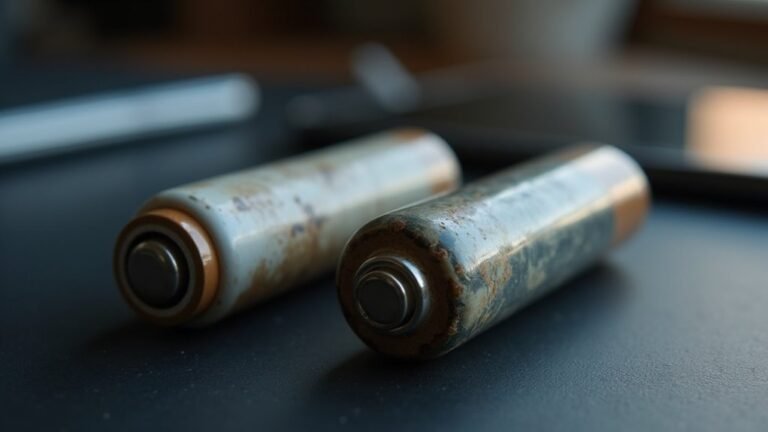
Battery self-discharge is the quiet loss of stored energy that happens even whilst a battery sits on a shelf with nothing attached to it. You’re not doing anything wrong whenever you notice it. This happens in every battery, so you’re in good company.
Self-discharge means the battery slowly loses charge during storage, which leaves less power when you need it.
User misconceptions often make it seem like a battery is “bad” right away. In truth, manufacturing variability can change how fast one battery drifts compared with another. That doesn’t always mean a defect.
Different chemistries, ages, and storage times also matter. So, whenever you set a battery aside, expect some natural charge loss. It’s part of how batteries work, not a personal failure on your part.
What Causes Battery Self-Discharge?
Your battery doesn’t just sit there and stay the same, because tiny internal chemical reactions keep using up stored charge.
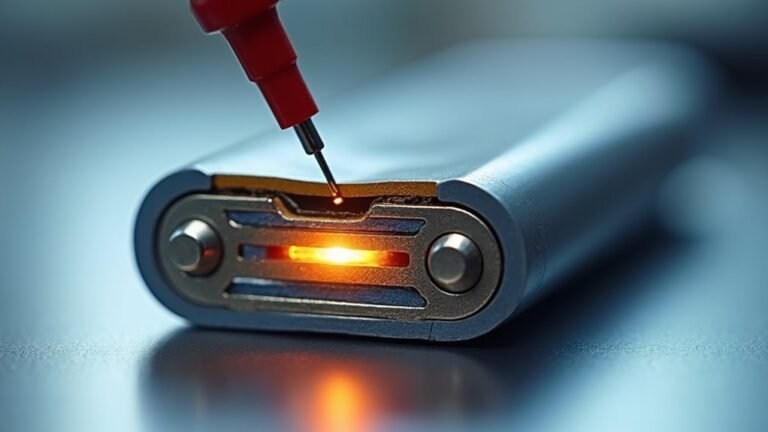
Even though no device is connected, impurities and small defects can create leakage paths that slowly drain energy. That’s why a battery can lose charge on its own, and it’s not always a sign that something’s badly wrong.
Internal Chemical Reactions
Even though a battery sits quietly on a shelf, tiny chemical reactions can still keep happening inside it. You’re not doing anything wrong; this is normal self-discharge. Inside the cell, parasitic kinetics slowly use up stored charge, and electrode corrosion can nibble at the materials that should stay ready for you. In lithium-ion cells, the electrodes and electrolyte keep interacting, even while no device is drawing power.
| Reaction | Result | Effect |
|---|---|---|
| Side reaction | Uses charge | Less stored energy |
| SEI change | Consumes lithium | Lower capacity |
| Electrolyte breakdown | Forms losses | Faster self-discharge |
Impurities And Leakage
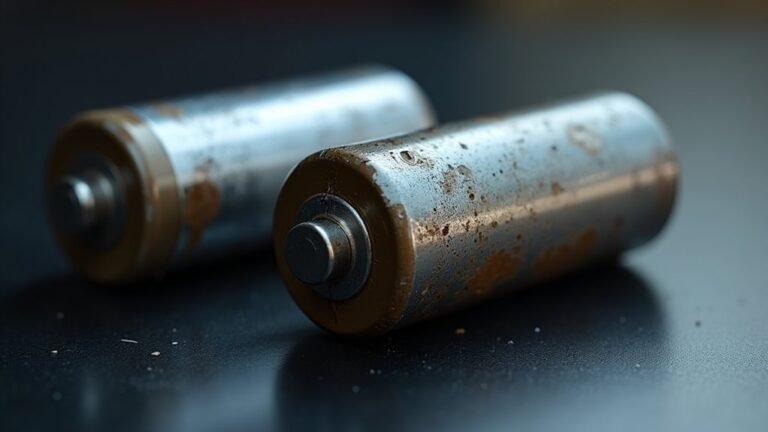
Small flaws inside a battery can do more than its normal chemistry, and that’s where leakage starts to matter. Whenever dirt, moisture, or metal contamination sneaks in, you get tiny paths that let charge slip away. You don’t need a big defect for this to happen. Even a pinhole can create trouble.
- A weak seal can invite air and water.
- A stray particle can bridge the plates.
- cell venting can push out gas and weaken parts.
These problems make you lose power while the battery sits quietly. In case you’ve ever felt annoyed by a battery that seemed fine yesterday, you’re not alone. Small leaks can happen to anyone’s pack, and they often start with tiny flaws that grow over time.
Self-Discharge Rates by Battery Type
Battery self-discharge looks different from one battery type to another, so the numbers can feel a little tricky at initially. You’ll usually see alkaline degradation show up more slowly than in many rechargeable cells, yet it still matters in storage.
Nickel-based batteries can lose charge faster, so you might notice them fading sooner. Lithium-ion packs often sit in a middle range, with losses that vary depending on design and age.
In a solid state comparison, some newer cells hold charge better, but no battery stays perfect forever. Suppose you keep a battery in the drawer or device, its chemistry keeps working a little in the background. That means you’re not doing anything wrong. You’re just seeing how each type naturally behaves.
How Temperature Speeds Up Self-Discharge?
Whenever you store a battery in heat, you speed up the tiny chemical reactions inside it, and that makes self-discharge happen faster.
In cooler conditions, those reactions slow down, so the battery keeps its charge longer. So provided you want your battery to stay healthier in storage, temperature matters a lot.
Heat Increases Reactions
Heat speeds up self-discharge because it gives the battery’s internal reactions more energy to move and react. Whenever you store a battery in warm places, you help tiny side reactions happen faster, and that means you lose charge sooner than you’d like.
- More heat helps chemicals reach their activation energy.
- Faster reactions can wear down the SEI layer and waste lithium.
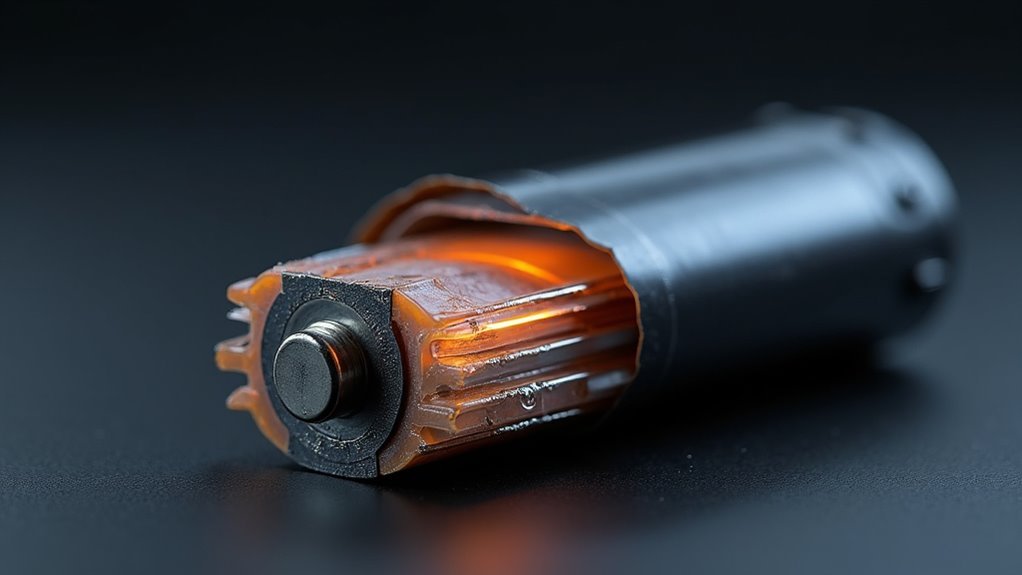
- In extreme cases, heat can push damage toward thermal runaway.
You’re not alone whenever this feels frustrating. Batteries often look fine, yet they keep losing energy quietly inside. That’s why a cooler resting spot matters so much for your pack. Even small temperature rises can make internal chemistry more active, so the battery works harder just to sit there.
Cold Slows Discharge
A chilly room can feel like a battery’s best friend, because cold slows the tiny reactions that quietly drain stored energy. Whenever you keep cells at a low temperature, you usually get better charge retention, so they sit ready longer for your next use. | Condition | What You Notice |
| — | — |
|---|---|
| Cool storage | Slower loss |
| Room warmth | Faster loss |
| Cryogenic storage | Extreme slowdown |
| Frost effects | Possible damage |
That said, colder isn’t always better. In case you go too far, cryogenic storage can stress materials, and frost effects could hurt seals or make moisture a problem. So you’ll want a balanced space that stays cool, dry, and steady. Then your batteries can rest with less waste, and you can feel more confident when you reach for them later.
How to Slow Battery Self-Discharge?
To slow battery self-discharge, start from storing your batteries in a cool, dry place, because heat and moisture make the tiny internal reactions move faster and eat away at the charge.
Then keep them partly charged, not full, because storage voltage matters. Should you use lithium-ion packs, aim for about 40% to 60%, and turn on low power modes whenever you can.
- Remove batteries from hot devices.
- Check them every few months.
- Keep contacts clean and dry.
These simple habits help you stay in the same smart battery group, where everyone gets more life from each charge.
Whenever you store, choose steady temperatures and avoid sunlit shelves. A little care now means your batteries will be ready whenever you need them.
How to Tell a Battery Is Too Far Discharged?
Watch the warning signs closely, because a battery that’s too far discharged usually gives you clues before it quits completely. You might see a weak light, slow startup, or a device that drops out right away. Should you check with a meter, compare the reading to the maker’s voltage thresholds. Once the number sits well below that line, the cell could be beyond a simple charge.
Swelling, heat, or a strange smell means you should stop and handle it safely. For battery revival, act soon, but don’t expect every pack to bounce back. Older cells lose more charge and can fall too low for reliable use. Were it not to hold power after a full charge, it’s likely done.
Frequently Asked Questions
Can Self-Discharge Permanently Damage a Battery?
Can it? Usually not, but you can still lose capacity and face safety risks if you let a battery sit too long. You will be better off storing it cool, at a partial charge, and checking it regularly.
Does Self-Discharge Happen Faster When Batteries Are Nearly Full?
Yes, when you keep your battery nearly full, you often speed up self discharge. You raise the charge rate on side reactions, and surface films can grow or deteriorate faster, so you will lose stored energy sooner.
Why Do Some Batteries Self-Discharge More Than Others?
Some batteries lose charge faster because their electrode chemistry and internal resistance differ. You will see this in a hot car: one lithium ion pack sags quickly, while a newer one holds power longer because it is healthier.
Can Tiny Defects Inside a Battery Cause Self-Discharge?
Yes, tiny defects can cause self discharge. You may not see them, but internal shorts or electrolyte impurities can leak charge, quietly draining your battery and making it feel less reliable over time.
Does Battery Age Increase Self-Discharge Over Time?
Yes. Your battery usually self discharges faster as it ages. Tiny losses can feel like a leaky bucket, and lithium ion cells might lose about 1 to 5% monthly. Battery degradation and separator breakdown make that drift worse.