Book Appointment Now

Why Some Batteries Last Longer Than Others
Some batteries last longer because of the materials and design choices inside them. Higher-quality cells resist chemical wear and keep capacity longer. Larger batteries and cooler operating temperatures slow degradation. Charging habits and discharge depth change how fast a battery ages. Damage often accumulates long before performance clearly drops, so early care matters.
Why Battery Life Varies
Battery life can slip away for a few different reasons, and most of them start with the chemistry inside the cell.
You might see two batteries that look the same, yet one runs longer because it holds more active material and manages energy better.
Even small manufacturing variability can change how well a battery stores and releases charge.
Then your user behavior steps in.
Should you drain the battery often, charge it too fast, or leave it hot, you speed up wear.
The way you use and store it matters too.
A battery in a cool, steady setting usually stays healthier than one pushed hard every day.
So suppose yours fades prematurely, don’t blame yourself.
Small differences add up, and that’s normal.
How Battery Chemistry Affects Battery Life
Because the chemistry inside a battery does the real work, it shapes how long that battery can keep going. You get longer life whenever the electrodes and electrolyte match well, because ion transport stays smooth and the reaction wastes less energy.
Strong electrode stability also matters, since it helps the battery keep its active material in place through many charges. That’s why some batteries feel like steady teammates while others fade prematurely.
Different chemistries also store and release different amounts of charge, so one pack can deliver more usable energy than another. Whenever side reactions stay low, battery fade slows down, and you keep more of the power you paid for.
In simple terms, better chemistry helps your battery work harder, longer, and with fewer surprises.
How Battery Size Affects Battery Life
A larger battery can often run longer, but size alone doesn’t tell the whole story. You also need to notice how much usable energy fits inside the case.
Bigger cells usually hold more active material, so they can feed your device for more time. Still, cell geometry matters because a slim shape might waste space, while a wider one can store more.
Pack configuration matters too, because several smaller cells can work together and share the load. That design can help you get steadier runtime in a team-like way.
How Charge Cycles Wear Batteries Down
Each charge cycle wears a battery a little more, and a cycle doesn’t always mean from 100% to 0% in one shot.
Should you keep your battery closer to the middle range, you can slow that wear because deep discharges put more strain on it.
Heat makes the damage happen faster, so a battery that runs hot usually ages sooner than one that stays cool.
What Counts As A Cycle
At the time you charge a battery and then use that stored power, you complete one cycle, and that cycle slowly takes a toll. In this charge definition, cycle counting doesn’t mean one full empty-to-full trip every time. Should you use half the battery today and half tomorrow, that still adds up to one cycle. So you and your device can work together without any mystery. Small top-ups also count, because the battery tracks total energy moved in and out. That matters because every cycle brings a little wear to the electrodes and electrolyte. Even when you treat your battery kindly, its chemistry still changes. Understanding this helps you feel more in control, and it makes battery life less confusing and a lot less frustrating.
Depth Of Discharge Matters
Whenever you use only part of a battery before recharging it, you usually give it an easier life than whenever you drain it all the way down. That’s because deep hits make the cells work harder, and you feel the difference over time. With shallow discharges, your battery stays in a gentler zone, so each recharge creates less wear. That’s why partial cycles often help batteries last longer than full empty-to-full runs.
You don’t need to baby every charge, but you do help your device when you avoid pushing it to zero again and again. Many lithium-ion batteries stay happier in a narrower range, where they can serve your daily needs without extra strain. So, should you want your battery to stay part of your routine for longer, treat those middle-range charges like the sweet spot.
Heat Speeds Battery Aging
Heat can quietly speed up battery aging, and you’ll often notice the damage after repeated charge cycles. When your battery stays warm, its chemicals move faster, and that extra pace raises activation energy for unwanted reactions. So each charge and drain can leave a little more wear behind.
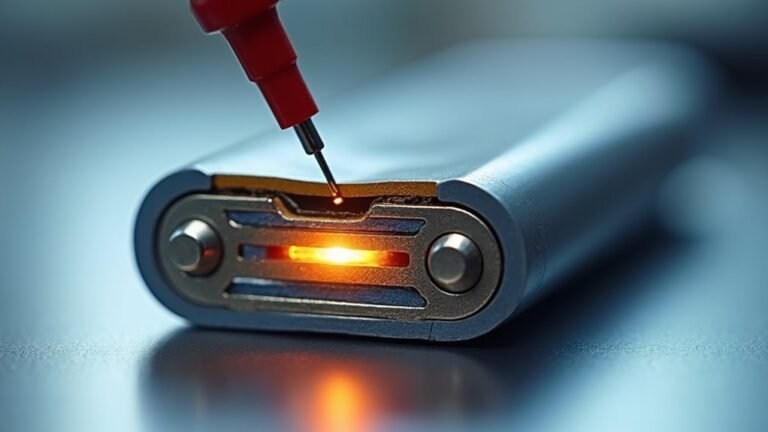
Should you keep a phone, laptop, or tool hot while charging, you could see faster fade, shorter runtime, and more swelling over time. That’s why your best move is simple: let the device cool before you plug it in, and avoid leaving it in sunlight or a hot car. Through keeping temperatures near room level, you help the cell stay steady and reduce the risk of thermal runaway.
How Heat Shortens Battery Life
Whenever batteries get too warm, their chemistry speeds up in a way that can wear them out faster than you’d expect. You’re not imagining it whenever a hot phone dies sooner. Heat pushes unwanted reactions in the electrodes and electrolyte, so the battery loses useful material and stores less energy. Provided the temperature keeps climbing, wear can grow fast, and thermal runaway becomes a real risk. Good insulation strategies help you and your device stay safer through slowing heat flow and keeping cells steadier.
| Heat level | What happens | What you notice |
|---|---|---|
| Warm | Faster reaction | Less runtime |
| Hot | More wear | Quick drain |
| Very hot | Damage rises | Swelling |
| Extreme | Safety risk | Shutdown |
Whenever you protect batteries from excess heat, you’re helping your whole device feel dependable.
How Cold Weather Affects Battery Life
Cold weather can slow a battery down just as much as heat can wear it out, so a frosty morning could leave your phone, car, or tool acting tired before you are. You’re not imagining it. Cold slows the chemical reactions that move power, and it thickens the electrolyte, raising electrolyte viscosity.
That makes energy harder to deliver when you need it most.
- Voltage can dip fast in the chill.
- Cold crystallization can block normal flow inside some cells.
- Your battery could seem weaker, even though it’s not fully drained.
- Warming it gently can help it recover some output.
What Makes a Battery High Quality?
A high-quality battery starts with the right cell chemistry, because that choice shapes how much energy you can store and how steadily it comes out.
You’ll also want strong build quality, since solid materials and careful assembly help the battery handle heat, wear, and daily use without falling apart prematurely.
And because safety matters, good batteries include features that protect you from overcharge, leakage, and other problems that can quietly shorten life.
Cell Chemistry
Cell chemistry is the quiet engine behind every battery, and it’s usually the main reason one cell feels like a champ while another fades prematurely.
You get better results whenever the electrodes and electrolyte match cleanly, because smooth electrode interfaces move charge with less waste.
Whenever you use solid electrolytes, you can also lower some side reactions that steal useful material.
- More active material can store more charge.
- Better reactions can raise usable voltage.
- Stable chemistry slows battery fade.
- Temperature still matters, but chemistry sets the base line.
Build Quality
Build quality turns battery chemistry into real-world staying power, and it’s often the reason two batteries with the same label don’t age the same way.
Whenever you choose a well-made battery, you get tighter manufacturing tolerances, cleaner internal assembly, and fewer weak spots that can waste energy. Good quality assurance helps catch small flaws before they reach you, so the battery works more evenly and holds up longer.
You also benefit from better matching between cells and steadier materials, which can reduce premature wear. That matters because you want gear that feels dependable, not moody.
In practice, strong build quality means fewer surprise drops in performance and more trust each time you charge, use, and carry your battery through everyday life.
Safety Features
Because safety features do more than prevent accidents, they often decide whether a battery feels reliable or risky in daily use. You want protections that work quietly in the background, so your device stays part of your routine, not a worry.
Good packs use:
- thermal cutoffs to stop overheating
- fault tolerant circuitry to keep power steady
- venting paths that release pressure safely
- seals that resist leaks and moisture
These features matter because heat, overload, and short circuits can damage cells fast. Whenever a battery handles stress well, you get fewer surprises and a calmer experience.
That kind of design helps you trust the gear in your bag, on your desk, or in your hands. In a good battery, safety isn’t extra. It’s part of feeling at home with your device.
How Device Design Affects Battery Life
Inside the device, the way parts fit together can make a big difference in how long your battery lasts. Whenever you choose a slim phone or a packed laptop, you also choose how well it handles heat and strain. Good thermal management keeps the cell cooler, so it doesn’t age as fast.
Smart power budgeting lets the system give energy to the screen, apps, and radios without wasting much. In case the device has weak cooling or poor software tuning, your battery works harder and drains sooner. Even small design choices, like tighter seals, brighter displays, and always-on sensors, can change daily runtime.
Whenever you know this, you can pick gear that feels like it was built with you in mind.
Which Battery Types Last Longer in Phones?
When you compare phone batteries, lithium-ion usually lasts the longest because it packs a lot of energy into a small space.
You’ll also notice that battery capacity matters, since a bigger capacity can keep your phone going longer between charges.
Still, how long it lasts depends on how you use and charge it, not just the label on the box.
Lithium-Ion Battery Life
Lithium-ion batteries usually outlast older phone battery types, and that’s one reason they power most modern smartphones. You can help yours stay healthier through using smart battery management and watching calendar aging, which keeps working even though you barely use the phone.
- Keep your charge between 20% and 80% whenever you can.
- Avoid heat, especially in a hot car or sunny spot.
- Unplug once the battery is full instead of leaving it topped off.
- Use gentle charging habits, since fast stress adds wear.
These small habits help you feel like part of the “my phone still lasts” club. Even so, lithium-ion cells fade with time because their chemistry slowly changes. So, assuming your phone seems tired, you’re not alone, and that’s normal.
Battery Capacity Differences
Your phone’s battery could be lithium-ion, but not every battery in a phone functions the same way, and that’s where the real differences begin to show.
You’ll notice that capacity can vary because manufacturers use different amounts of active material, and that changes how long your phone stays powered.
A cell with better energy density can hold more charge in the same space, so you get more screen time without a bigger battery.
Even so, manufacturing tolerances matter too, because small build differences can affect real-world runtime.
Packaging materials also play a role, since they help protect the cell and support stable performance.
Which Battery Types Last Longer in Laptops?
In laptops, battery life often comes down to chemistry, and that can make a bigger difference than brand names or marketing claims. Should you’re choosing a long-lasting pack, look for lithium-ion cells with lithium iron phosphate, since they usually handle more cycles. Newer solid state designs and silicon anodes might improve future runtimes, too.
You’ll also notice differences between common types:
- Lithium iron phosphate: longest cycle life
- Nickel-cadmium: durable, but older
- NiMH: better than simple rechargeable cells
- Lead-acid: heavier, less laptop friendly
These batteries don’t all age the same, so your laptop’s runtime can feel steady or fade fast. Once you know the chemistry, you can pick the option that fits your group better and keeps you powered through class, work, or travel.
How to Make Battery Life Last Longer
Often, battery life lasts much longer provided you treat the battery with a little care instead of pushing it to the edge every day. You belong to a group of smart users whenever you follow simple battery maintenance: keep charges between 20% and 80%, unplug after it’s full, and avoid heavy apps that drain fast. Also, watch storage temperature, because a cool, dry drawer helps more than a hot car.
| Habit | Feeling |
|---|---|
| Gentle charging | Calm |
| Less heat | Relief |
| Partial use | Confidence |
| Cool storage | Trust |
| Regular care | Belonging |
Whenever you protect the cells, you protect your peace of mind too. Small choices stack up, and they help your battery stay ready for school, work, and the little moments that matter.
Signs Your Battery Is Wearing Out
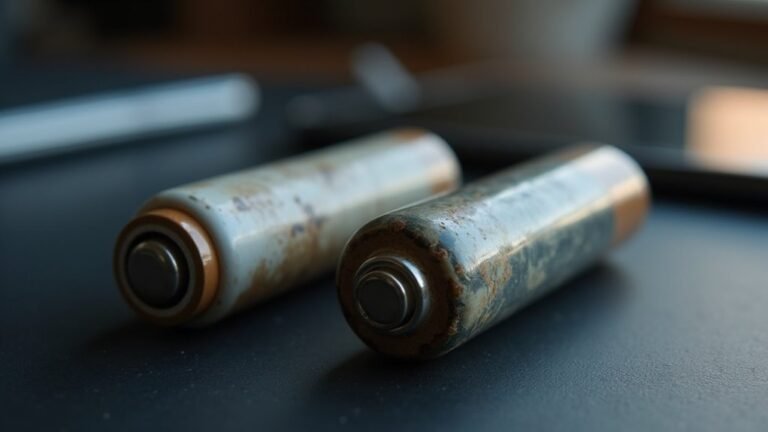
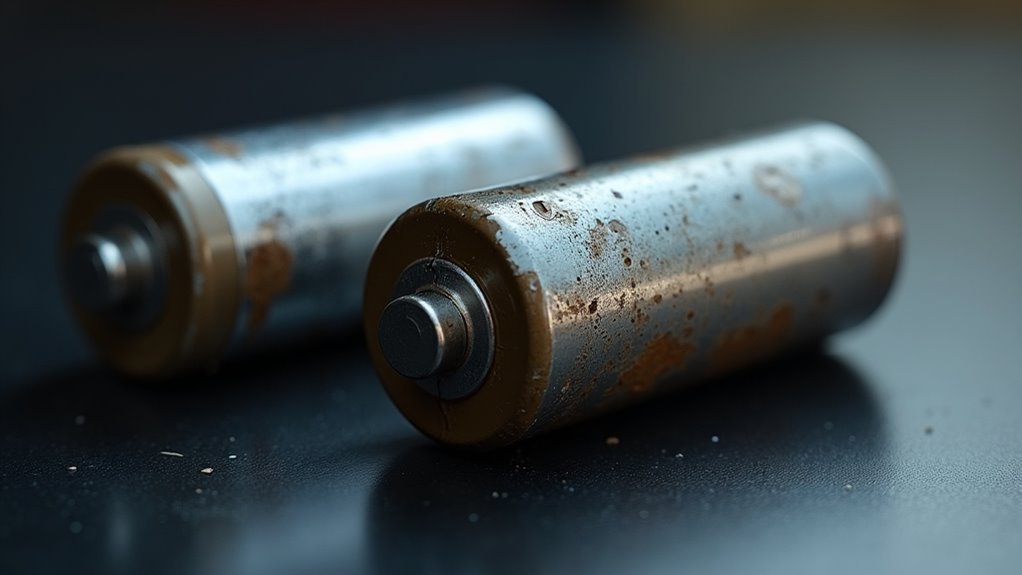
At initially, a battery can seem fine, but small warning signs usually show up before it quits on you. You might notice your device fading fast, needing extra charges, or shutting off prematurely. Those battery indicators tell you the cells aren’t holding energy like they used to. Also, watch for heat, swelling, or leaks, since these often mean the inside chemistry is breaking down.
- It drops below normal performance thresholds sooner.
- It charges slower than it used to.
- It feels warm during easy use.
- It loses power after sitting unused.
When you spot these changes, trust your gut. You’re not being picky; you’re catching wear early on. Through paying attention, you can replace the battery before it lets your routine down.
Frequently Asked Questions
Why Do Lithium-Ion Batteries Degrade Even When Unused?
You’ll still see lithium ion batteries degrade because calendar aging keeps chemical reactions moving, even when unused. The solid electrolyte interface slowly grows and consumes active material, so your battery loses capacity, health, and reliable runtime over time.
Can Battery Storage Conditions Affect Long-Term Capacity Loss?
Yes, your storage conditions can change long-term capacity loss. You will preserve more capacity if you keep batteries cool, dry, and partly charged. High storage humidity and harsh long term cycling increase degradation and make your cells age faster.
Does Leaving a Battery Plugged in Reduce Its Lifespan?
Yes, leaving it plugged in can shorten its lifespan because you keep stressing it with constant charge. You will also raise heat risk, which can trigger thermal runaway; old battery memory myths do not really explain modern lithium ion wear.
How Does Charging Current Impact Battery Wear?
Charging current acts like a stress examination: you wear your battery faster whenever you push hard. Fast charging and pulse charging can raise heat and chemical strain, so you will usually get better life with gentler currents.
Why Do Some Batteries Age Faster Than Others at the Same Temperature?
You’ll see faster aging because battery materials variability and manufacturing defects make some cells less stable, so they lose active material sooner. You can reduce stress with gentle charging, moderate use, and cool storage.