Book Appointment Now

Differences Between AA and AAA Batteries
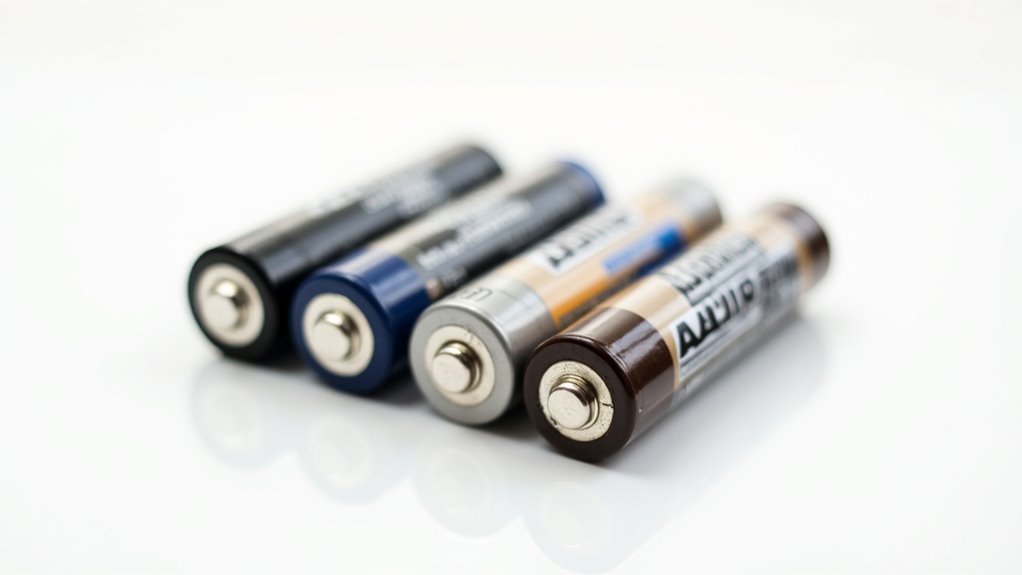
AA and AAA batteries look similar but serve different needs. AA cells are larger, store more energy, and power higher-drain devices longer. AAA cells are slimmer, fit compact gadgets, and deliver less runtime. Choosing the correct size affects device performance, replacement frequency, and reliability. This article explains the physical differences, capacity and lifespan contrasts, and typical device uses so selecting the right cell is simple.
What Are AA and AAA Batteries?
AA and AAA batteries are two of the most common battery sizes you’ll run into, and they do a lot of quiet work in everyday life.
Whenever you learn the battery basics, you see that both store energy for portable devices, yet each one fits a different need.
In battery history, these sizes became standards because people needed simple, reliable power in homes and on the go.
You’ll often spot AA cells in larger gadgets, while AAA cells slide into smaller ones with ease.
Both usually deliver the same voltage, so size and capacity matter more than label alone.
Once you understand the difference, you can feel more confident choosing the right battery for your device and your day.
AA Vs AAA Battery Size
As soon as you hold an AA battery next to an AAA battery, the size difference stands out right away. You can see it, feel it, and trust it before you even check the label. AA batteries are about 50.5 mm long and 14.5 mm wide, while AAA batteries are about 44.5 mm long and 10.5 mm wide. That smaller shape helps AAA cells slip into tighter spaces, while AA cells feel fuller in your hand.
- AA gives you more body.
- AAA fits compact devices better.
- Battery dimensions decide the match, not guesswork.
When you compare casing materials, both types might look similar, but the outer shell still follows the same size rules. So provided your device feels snug, you’re usually choosing between a larger fit and a slimmer one.
AA Vs AAA Battery Capacity
Whenever you compare battery capacity, AA batteries usually hold more energy than AAA batteries because they’ve more room for active material. That extra capacity often gives you longer runtime and steadier power, especially in devices that work hard.
AAA batteries can still do the job well, but they usually run out sooner and fit better in smaller, low-drain devices.
Battery Capacity Basics
Capacity is the quiet factor that often decides whether your batteries keep up or give out too soon. You feel it most whenever one device runs smoothly and another fades fast. AA cells usually hold more energy density than AAA cells, so they give you more power for longer use. That extra room also helps with charge cycles in rechargeable versions.
- AA batteries fit bigger devices and store more material.
- AAA batteries stay slim, so they trade capacity for size.
- Whenever you match capacity to your device, you avoid waste and frustration.
AA vs AAA Lifespan
AA batteries usually last longer than AAA batteries because they hold more material inside the same kind of shell. You feel that extra capacity whenever your device keeps going and you’re not swapping cells so often.
In everyday use, that often means better cycle longevity, especially provided that you recharge them and use them carefully. AAA cells can still serve you well in small gadgets, but they usually run out sooner.
Temperature effects matter too, since cold can shorten lifespan for both sizes and warm storage can help them stay ready. So, whenever you desire fewer battery changes and a little more peace of mind, AA often gives you the sturdier, friendlier fit for your routine.
Power Output Differences
Power matters a lot whenever you compare AA and AAA batteries, and the gap shows up fast in real use. You’ll notice it when a device asks for steady current and the smaller cell starts to strain.
- AA batteries usually push more power because they hold more material inside.
- AAA batteries can work well, but they often drop voltage sooner under load trials.
- Lower battery impedance in AA cells helps them handle bursts better, so your flashlight or toy feels stronger.
That’s why you and your family often reach for AA cells in bigger gadgets, while AAA fits slim remotes and clocks. When you want longer, steadier output, AA gives you more breathing room and less worry.
How AA and AAA Batteries Compare in Power
Whenever you look at how AA and AAA batteries perform, the bigger AA usually comes out ahead because it can hold more energy and deliver it with less strain. You’ll usually feel that difference whenever a device asks for steady power.
AA cells often show lower battery impedance, so they waste less energy as heat and keep their thermal behavior calmer under load. AAA batteries still work well, but they’ve less material inside, so they can sag sooner when demand rises.
In case you want longer runtime and stronger bursts, AA often feels like the safer pick. Should you need a slim fit and lighter power needs, AAA can still do the job with ease. So, you’re not choosing better or worse, just the right match for your space and energy needs.
Which Devices Use AA Batteries?
That extra battery muscle often decides where AA cells show up in real life. You’ll find them in gear that needs steady strength and long life, like:
- Cameras and flashlights for brighter, longer use
- Toys and radios that draw more power
- Game controllers, wireless mics, and portable fans
When a device has room for AA cells, it usually gains better runtime without feeling bulky. That’s why many people trust them for everyday tools that must keep going.
In some cases, battery adapters can help you fit similar setups, but the device still has to match the size and power needs. You’ll also see AA cells in specialty formats, such as compact grips, handheld meters, and travel gear where dependable energy matters.
Should you want a setup that feels familiar and capable, AA often fits right in.
Which Devices Use AAA Batteries?
You’ll often find AAA batteries in compact devices that need steady but modest power, like remote controls, clocks, and keyboards.
Because AAA batteries are smaller and slimmer, they fit neatly into gadgets where space really matters.
Common AAA Devices
AAA batteries show up in a lot of the small devices you use every day, and that’s no accident. They fit where space is tight, so you’ll often find them in ultra compact remotes, clocks, wireless mice, and handheld flashlights. You also see them in wearable sensors and other slim gadgets that need light power without bulk.
- Remote controls in your residential room
- Wall clocks that keep steady time
- Small home gadgets you grab fast
Because these devices stay small, AAA batteries help them feel easy to use and easy to carry. You don’t need to hunt for a bigger battery or squeeze one in. Instead, you get a simple match between size, comfort, and daily use, which makes your gear feel like it belongs in your routine.
Portable Electronics Use
In many portable electronics, AAA batteries quietly do the small jobs that keep life moving without much fuss. You’ll find them in remotes, wireless mice, slim keyboards, and pocket-sized radios, where battery ergonomics matter because every millimeter counts.
Their narrow shape helps devices feel lighter and easier to carry, so your gear stays comfortable in your hand or bag. Whenever you use devices with low power demands, AAA cells fit the job well and keep things simple.
They also work in some small cameras, game controllers, and grooming tools, especially whenever compact design matters more than long runtime. Should you swap batteries often, AAA packs can pair nicely with pocket chargers, giving you a quick refill and a familiar setup that feels ready for everyday use.
How to Choose Between AA and AAA Batteries
Choosing between AA and AAA batteries gets much easier whenever you match the battery to the device’s needs, not just the shape in your hand. Start by checking power demand and fit.
- Pick AA for flashlights, toys, and cameras that need longer runtime.
- Pick AAA for remotes, clocks, and slim gadgets that sip power.
- Check rechargeable options, battery adapters, and the environmental impact before you buy.
Whenever you choose well, you save money, cut waste, and keep your gear working the way your group expects. AA batteries often give you more staying power, while AAA batteries help compact devices stay light and tidy.
Should you’re unsure, read the label initial and trust the device maker. That small step helps you feel confident, included, and ready.
Can You Replace AA Batteries With AAA Batteries?
Not usually, because AA and AAA batteries might look close at a glance, but their sizes are different enough to matter.
You’ll usually find that AAA cells sit loose in an AA slot, so the device can’t make solid contact. Even when adapter solutions exist, they only help provided the device can handle the smaller battery’s lower capacity.
A voltage mismatch usually isn’t the main issue, since many AA and AAA batteries share the same voltage. Instead, fit and power delivery decide the result.
Should you try this swap, you could get weak performance, short runtime, or no power at all.
How to Store AA and AAA Batteries Safely
To keep AA and AAA batteries safe and ready to use, start through giving them a cool, dry home away from heat, moisture, and direct sunlight. Good temperature control helps them last longer and keeps your stash dependable.
- Store them in their original package or a plastic case, so the terminals stay apart and you support leak prevention.
- Keep them in the same storage orientation, with the ends lined up neatly, and never toss loose batteries into a drawer with coins or keys.
- Use long term rotation by placing new batteries behind older ones, so you reach for the oldest set initially.
Also, check them now and then for swelling or crusty spots. Provided you spot damage, separate those batteries right away.
Frequently Asked Questions
Do AA and AAA Batteries Have the Same Voltage?
Yes, you do. AA and AAA batteries usually share the same 1.5 V voltage. Like a knight’s trusty charger, you will still notice differences in internal resistance and self discharge, which affect performance, not voltage.
Which Battery Type Costs Less, AA or AAA?
AAA batteries usually cost less because you are buying less material and smaller packaging. Manufacturing cost is typically lower too, so you will often save a bit whenever you choose AAA for your device.
Are Rechargeable AA and AAA Batteries Available?
Yes, you can get rechargeable AA and AAA batteries, and they are easy to find. Choose the right rechargeable chemistry for your device, and you will enjoy solid cycle lifespan with a friendly fit.
Which Battery Lasts Longer in High-Drain Devices?
AA batteries usually last longer in high drain devices because they provide higher capacity and better heat tolerance, so they deliver more current with less voltage sag. You can feel confident choosing them for demanding gear.
Why Are AA and AAA Batteries Different Sizes?
AA and AAA batteries differ because you need different sized “homes” for different energy needs: cell chemistry, material volume, and manufacturing tolerances shape their lengths and widths, so you’ll pick the one that fits and belongs.