Book Appointment Now

Why EV Batteries Lose Capacity Over Time
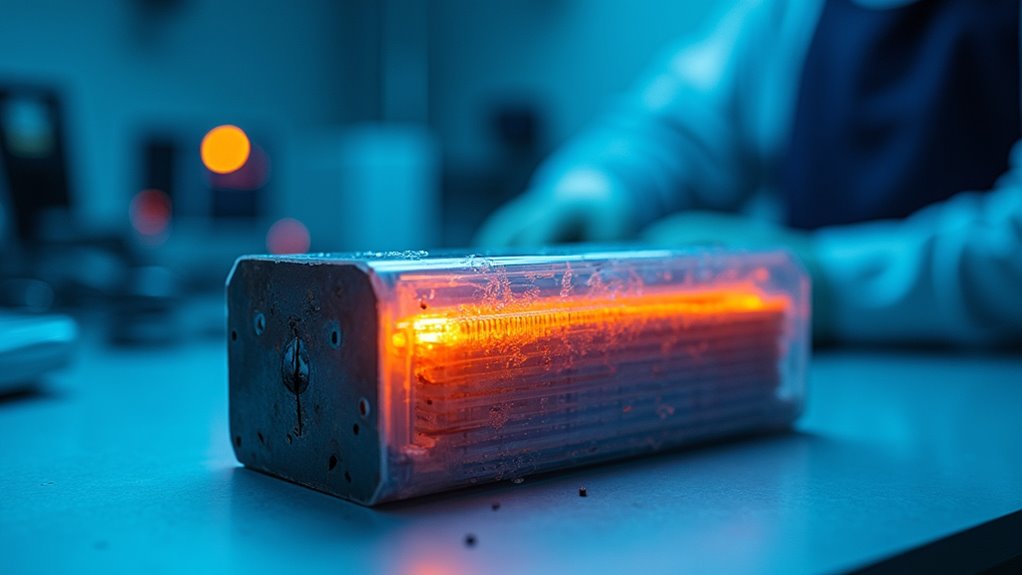
EV batteries lose capacity gradually because repeated charge and discharge cycles chemically wear the cells. Heat, rapid charging, and deep discharges accelerate reactions that reduce active material and increase internal resistance. Cold temperatures temporarily limit available charge while the battery protects itself. Normal calendar aging slowly degrades electrodes and electrolytes over years. Small daily stresses add up, so range declines bit by bit rather than abruptly.
What Causes EV Battery Capacity Loss?
Although EV battery capacity loss can feel worrying, it usually comes from a few normal processes that happen inside the pack over time. You’re not doing anything wrong.
As the battery sits, calendar aging slowly uses up lithium. Whenever you drive and recharge, cyclical aging adds more wear.
Inside each cell, the SEI layer grows and takes some energy-storage material with it. Also, manufacturing variability can make one pack age a bit faster than another, even in the same model.
On top of that, electrolyte additives help cells stay stable, but they can’t stop every chemical change. So your battery doesn’t suddenly fail; it usually loses a little capacity in small steps. That steady pattern is common, and it’s part of normal battery life.
How Heat Speeds Up EV Battery Degradation
Heat can make EV battery wear happen faster, even whilst you’re doing everything else right. When your pack stays hot, chemical activity speeds up, and that means more accelerated side reactions inside the cells. Those reactions slowly eat into the lithium you need for storage. Heat also helps ions move more easily, so ambient diffusion rises and the battery ages quicker during every mile and every parked hour.
You can’t always avoid warm weather, but you can reduce stress on the pack. Parking in shade, letting the cabin cool before driving, and avoiding long stays at high temperatures all help. Should you live where summer feels unrelenting, your battery might age a bit faster than a friend’s in a mild climate. Still, with smart habits, you’re giving your EV a better shot at staying strong longer.
Why Fast Charging Can Wear Batteries Faster
Once you plug into a fast charger, your EV can fill up in a hurry, but that speed puts extra strain on the battery.
You’re asking the cells to move energy much faster than usual, and that creates charger stress. Whenever current rushes in, the battery heats up more, and heat makes wear happen sooner.
In some cases, lithium plating can form on the anode, which blocks normal storage and cuts capacity. That’s why frequent fast charging can chip away at long-term health, even though it feels handy now.
You don’t need to avoid it completely, though. Use it whenever you need a quick surge, then switch back to slower home charging when you can. That balance helps your pack stay stronger longer.
How Deep Discharges Affect EV Batteries
Once you run your battery down very low, it has to work harder to recover, and that extra strain can speed up wear over time.
Whenever you let the pack reach a deep discharge, you add battery stress because the cells must push back from a tougher place. That can slow capacity recovery and leave less room for future trips.
You don’t need to panic, though. A low battery once in a while won’t ruin your ride.
Still, should you often drain it near empty, you ask more from the chemistry inside. So, try to recharge before you hit the bottom.
Small habits like that help your pack stay steadier, and they make each drive feel easier for you and your EV.
What Happens as EV Batteries Age Naturally?
As your EV battery ages, its power doesn’t drop all at once, but it does change in quiet, steady ways. You’ll notice a little less range on the same route, and that’s normal.
Over the long term, the pack slowly holds less energy, even while you drive gently. Heat, time, and everyday charging add up, so the battery feels a bit more tired after years of use.
This natural aging also affects warranty implications, because makers often set coverage rules around capacity loss. Still, your car keeps working, and the residual battery health can stay strong enough for daily life.
Whenever you consider resale value, that gradual fade matters, but it doesn’t erase value. You’re not alone in this process, and most EV packs age with a steady, manageable rhythm.
What Happens to EV Battery Chemistry Over Time?
Over time, your EV battery doesn’t just lose a little range, it also changes inside at the chemical level. You’re part of that story every time you drive, charge, and park.
Inside each cell, the SEI layer grows thicker and uses up lithium that should help store energy. At the same time, electrode restructuring slowly shifts how well the materials can hold and release charge. You might also see separator degradation, which weakens the cell’s internal balance and adds stress.
These changes don’t happen all at once, so your pack can feel strong for years before aging shows up. Still, each cycle leaves a small mark, and heat or frequent fast charging could make those marks build faster than you’d expect.
How Cold Weather Temporarily Reduces EV Range
Cold weather can cause your EV to seem like it suddenly shrank its range, even though the battery itself hasn’t lost much capacity. You’re not imagining it. Whenever the pack is cold, it works less efficiently, so you might see reduced power and fewer miles on the display.
Your cabin heater also pulls energy from the battery, and that heater draw can feel surprisingly heavy on short trips. In freezing air, the battery could warm up slowly, so the initial miles often use extra energy.
You can regard it like a chilly morning where everything moves a bit slower. Once the battery and cabin warm, range usually improves. So assuming winter has you worrying, you’re in good company, and your EV is still doing its job.
How the Battery Management System Protects Capacity
Your battery management system helps protect capacity by keeping each cell in balance, so no single cell gets pushed too hard or falls behind.
It also manages heat, because cooler, steadier temperatures slow the wear that chips away at usable energy over time.
And once the pack gets close to stressful charge levels, it steps in with charge limits that help your battery stay healthier for longer.
Cell Balancing Functions
Inside your EV battery, cell balancing helps the battery management system keep each cell working at nearly the same level, which protects capacity and slows uneven wear. When one cell drifts ahead, the system trims it back with passive balancing or moves energy to weaker cells with active balancing. That keeps the pack feeling steady for you, even during long drives and repeated charging. Without this teamwork, a few cells would age faster, and the whole battery would lose usable power sooner. Balancing also reduces the stress that comes from small charge differences, so your pack can age more evenly over time. In everyday use, that means you get smoother performance, better range consistency, and a battery that stays in the group longer.
Thermal Control Strategies
Just as crucially, thermal control is one of the battery management system’s biggest jobs as it comes to protecting capacity. Whenever you drive, charge, or park, the pack needs a steady temperature so chemistry stays calm. In case it runs too hot, side reactions speed up and your usable range slips away. In case it gets too cold, performance drops and stress rises.
| Method | What it does | Why it helps |
|---|---|---|
| Active cooling | Moves heat out fast | Cuts wear |
| Passive insulation | Slows heat loss | Holds stable temps |
| Sensors | Track cell warmth | Spot trouble promptly |
| Fans or жидкость | Spread heat evenly | Protect weak cells |
| Control logic | Guides each choice | Keeps you in the safe zone |
With smart thermal control, you’re not fighting the pack alone. You’re part of a system that helps your battery age more gently.
Charge Limit Safeguards
Now that the battery can stay in its comfort zone, the next layer of protection comes from charge limit safeguards, which help keep capacity from fading too fast. You’ll see these controls in the battery management system, and they quietly guide how full the pack gets each day.
Whenever you set a lower ceiling, often user adjustable, you reduce peak reduction stress at the top of the charge range. That matters because staying near 100% can speed up wear. The system also trims charging power near the end, so cells don’t get pushed too hard.
Provided you rely on this feature, you’re joining a smart routine that gives your battery more breathing room. Small limits can make a real difference, and your EV can thank you later.
Which Driving Habits Help EV Batteries Last Longer?
You can help your EV battery last longer via driving smoothly and avoiding hard launches or sudden braking. Gentle acceleration lowers heat and stress, while steady driving puts less strain on the battery over time.
It also helps to charge with moderation, since keeping the battery near full or using fast charging all the time can slowly wear it down.
Smooth Acceleration Habits
Smooth driving can do more for your EV battery than many people realize, and gentle acceleration is one of the easiest habits to build. Whenever you press the pedal softly, you help your pack avoid sharp current spikes and extra heat. That matters because heat and stress can slowly wear down capacity.
- Use gentle acceleration in stop-and-go traffic.
- Keep a consistent throttle on open roads.
- Ease into speed instead of flooring it.
- Plan ahead so you brake less hard.
- Let your car flow with traffic calmly.
Whenever you drive this way, you also make your ride feel smoother and more relaxed for everyone in the car. A steady foot gives your battery an easier day, and that’s a habit your future self will appreciate.
Moderate Charging Practices
Gentle driving helps, and moderate charging habits keep that same care going while your EV is plugged in. You don’t need to chase 100% every night. With smart charging, you protect the pack and still fit your life. Battery etiquette means staying near 20% to 80% most days, then charging higher only whenever you truly need it.
| Habit | Why it helps |
|---|---|
| Charge before empty | It lowers stress |
| Stop near 80% | It slows wear |
| Use slower charging | It makes less heat |
| Avoid long full storage | It limits fade |
| Plug in during cooler hours | It supports balance |
These small choices add up, and they feel easy once they become your routine. You’re not babying the battery; you’re giving it the steady care it can return with longer-lasting range.
When Does Battery Loss Become a Real Concern?
Battery loss becomes a real concern whenever it starts to change how your EV fits your life, not just a number on a screen. In case you’re still driving your normal routes, you can breathe easier. But in the event range cuts into school runs, work trips, or road excursions, pay attention. That shift can also affect long term resale and bring warranty implications in case capacity drops near the maker’s limit.
- You miss your usual weekly charge rhythm.
- Fast charging feels less friendly.
- Cold mornings drain you faster.
- You plan trips with extra worry.
- Your battery falls near 70% to 80%.
Whenever those signs show up, you’re not alone. Many drivers see premature fade, then a slower pace. So check your habits, watch the pattern, and stay connected to what your car can still do.
Frequently Asked Questions
How Much Capacity Do EV Batteries Typically Lose Each Year?
You’ll typically see a 1 to 3 percent annual loss in capacity, with many fleets averaging about 2 percent a year. That typical decline is gradual, so you’ll still be among the many owners enjoying long lasting batteries.
What Is the Difference Between Calendar Aging and Cyclical Aging?
Calendar aging quietly wears your battery down like a clock ticking away, even while you do not drive. Cyclical aging happens as you charge and discharge the battery; each cycle slowly reduces usable capacity and affects driving range.
Why Does Battery Degradation Happen Faster in the First Year?
You lose capacity faster in the initial year because your pack’s cells finish initial formation, settle chemically, and reveal manufacturing variability. That early stabilization and mismatch among cells cause a bigger initial drop, then things slow down.
At What Capacity Level Is an EV Battery Considered End of Life?
You’ll usually see an EV battery called end of life around 70% to 80% capacity, depending on warranty standards. Coincidentally, many drivers reach that milestone together, sharing the same uneasy, familiar shift.
How Long Do EV Batteries Usually Last Before Replacement?
You’ll usually get 15 to 20 years from an EV battery before replacement, often longer with good charging habits. Your battery warranty might end sooner, but many packs still serve reliably well beyond it.