Book Appointment Now

Why Stop Start Vehicles Need Special Batteries
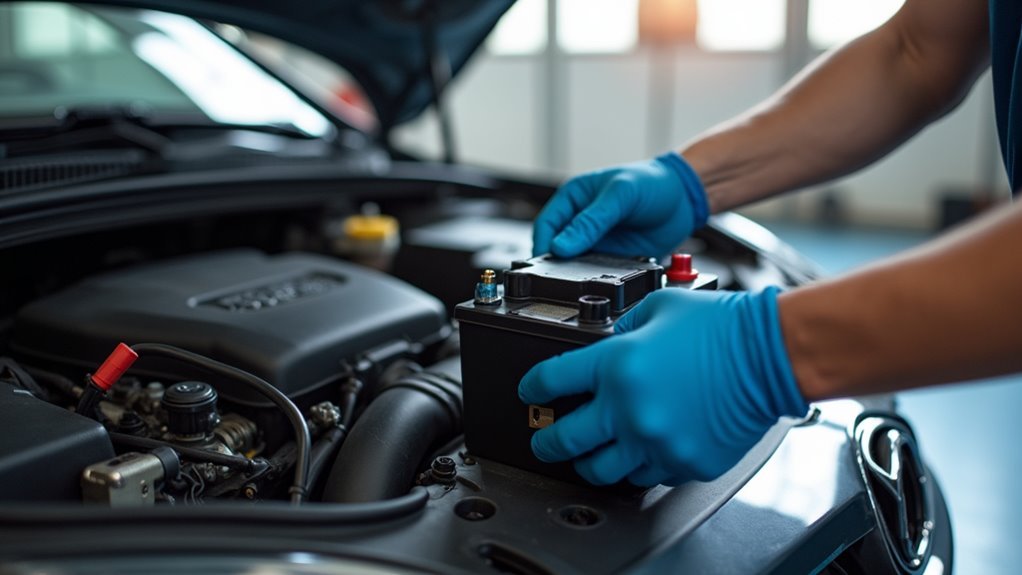
Stop-start systems demand a lot from a car battery because the engine is restarted constantly while accessories keep running. Standard lead-acid batteries wear out quickly under this repeated cycling. AGM and EFB batteries handle deeper discharges and recover faster, making them better suited to stop-start use. Choosing the correct battery prevents weak starts, strange electrical faults, and deactivation of the stop-start feature. Matching battery type and capacity to the vehicle’s specifications keeps the system reliable and prolongs battery life.
What Makes Stop-Start Batteries Different?
So, what makes a stop-start battery different? You need a battery that can handle constant engine shutoffs and quick restarts without feeling stressed.
That means it must give strong cranking power, keep your lights and cabin systems running, and recover fast between stops. Standard batteries often can’t keep up, so stop-start models use AGM or EFB designs for better cycling.
They also handle thermal management better, since repeated charging and discharging creates more heat. This matters because heat can affect performance and shorten battery life.
Whenever you choose the right type, you protect your car’s electronics and avoid surprise cost implications later. In other words, you’re not just buying a battery. You’re joining the group of drivers who keep stop-start systems working the way they should.
Why Regular Car Batteries Wear Out Faster
Whenever you use a regular car battery in a stop-start vehicle, it has to crank the engine again and again in a short time.
That constant restarting puts extra stress on the battery, and it wears out much faster than you’d expect.
Even if the engine is off, your battery still has to keep power flowing, so it never really gets a true break.
Frequent Engine Restarts
Again and again, a start-stop system asks your battery to do a job that never ends. In urban traffic, you might feel the engine pause at every light, then wake up for another cold starts. That quick rhythm means your battery must jump in fast, then rest, then jump again.
| Moment | What you need | Battery job |
|---|---|---|
| Stop | Power the car | Keep systems on |
| Restart | Spin the engine | Give strong current |
| Next stop | Recover quickly | Get ready again |
For you, that cycle can feel normal, but a regular battery gets tired fast. It wasn’t built for so many restarts. Whenever you drive this way, you need a battery that could keep up with your day and stay with your ride.
Higher Battery Stress
That quick stop and start rhythm puts real strain on your battery, and a regular car battery starts feeling it fast.
You’re not just cranking the engine; you’re feeding lights, screens, and pumps while the engine rests.
This pushes the battery through thermal cycling, which heats and cools its parts again and again.
It also faces voltage spikes whenever the engine restarts, and those hits wear down the plates.
- Deep discharge happens more often.
- Recharge time stays too short.
- Power demand rises in traffic.
- Weak batteries lose strength sooner.
How Stop-Start Batteries Handle Frequent Restarts
Whenever you’re stuck in traffic, a stop-start battery has to wake the engine back up fast, again and again, without losing strength.
It handles those quick restarts with strong cranking power and the kind of cycle durability that keeps it going through repeated stop-and-go use.
Because it can recover quickly from deeper discharge, you’re less likely to get stranded whenever a tired battery can’t keep pace.
Rapid Restart Support
Stop-start batteries must spring back fast, because your car could shut off and fire up again several times in a single trip.
You need strong cold cranking power to turn the engine over right away, and some systems add capacitor assist to help cover the quick burst.
That way, you aren’t left waiting while traffic could move around you.
- Your battery sends high current instantly.
- It keeps lights and electronics steady.
- It recovers quickly between short stops.
- It supports smooth restarts without drama.
Higher Cycle Durability
Because your car might restart again and again in the same trip, a stop-start battery has to handle far more wear than a regular battery ever would. You need that kind of strength whenever traffic keeps pulling you into short pauses. So these batteries use tougher internal parts and smarter plate designs that survive repeated charge and start cycles without giving up prematurely.
During cycle testing, makers push them through thousands of starts to prove they can keep up with your daily drive. That testing helps you feel confident, not left guessing at the curb. It also shapes warranty options, since stronger cycle durability often supports longer coverage.
In the end, you get a battery that stays ready, even whenever your commute feels like stop and go teamwork.
Deep Discharge Recovery
A strong stop-start battery does more than survive repeated starts. It also needs deep recovery after each short trip through traffic.
Whenever your engine shuts off, the battery keeps your cabin alive, then jumps back fast whenever you press the pedal again. That’s where smart design matters. AGM and EFB cells accept charge quickly, so you’re not left waiting for energy to crawl back. They handle pulse reconditioning, which helps restore strength during brief charging bursts.
- You get faster restart power.
- You keep lights and infotainment steady.
- You reduce strain during busy stop-and-go driving.
- You stay confident whenever traffic keeps putting the battery to the test.
With the right battery, you and your vehicle work as a team, and that feels good on every commute.
AGM vs EFB Batteries for Stop-Start Vehicles
At the time your vehicle uses start-stop technology, the battery choice matters more than most drivers expect.
AGM battery tech fits heavier cycling and faster recharge needs, while EFB works well in many milder systems.
Should your car came with AGM, keep it there; mixing types can upset charging and hurt trust in the system.
EFB usually costs less, and it can be the right fit whenever your driving is mostly city trips with moderate electrical load.
AGM handles deeper cycling better, so it often lasts longer in tougher use.
You should also watch warranty differences, because the wrong pick can void coverage or trigger faults.
Once you match the battery to your vehicle, you protect reliability and stay part of the crowd that drives with confidence.
How Stop-Start Batteries Power Accessories
Once you pick the right AGM or EFB battery, the next question is how that battery keeps your car’s comfort features alive while the engine keeps taking short breaks. You still get steady auxiliary power for the parts you touch most, so cabin comfort doesn’t fade whenever traffic slows. Your battery acts like a calm backup buddy, quietly filling the gap.
- It keeps lights bright at stops.
- It supports the fan and air system.
- It feeds infotainment without a hiccup.
- It helps your seat heaters and chargers stay ready.
Because start-stop driving asks for quick energy, the battery must deliver power fast and recover fast. That’s why your ride can feel smooth, connected, and familiar even as the engine rests.
What Happens If You Use the Wrong Battery?
Should you use the wrong battery in your stop-start vehicle, you can put extra strain on the start-stop system right away.
The battery could wear out much faster, and you may notice warning lights or fault messages on the dashboard.
That can leave you coping with poor performance and a repair bill sooner than you’d expect.
Start Stop System Strain
Using the wrong battery in a start-stop vehicle can quickly put real strain on the whole system, and that stress usually shows up before you expect it.
In urban congestion, your car might shut off and restart again and again, so the battery has to keep up. Whenever it can’t, the charging system works harder, and thermal cycling adds even more pressure as heat and cooling swing back and forth.
- The engine restarts feel rougher.
- Warning lights can appear.
- The battery manager could get confused.
- Your stop-start feature might stay off.
Reduced Battery Lifespan
A wrong battery can quietly shorten your car’s life in more ways than one, and the damage often starts earlier than you’d expect.
Whenever you pick a standard battery for a stop-start car, it can’t handle the repeated cycles or the heavy cold cranking demand. So it stays partly drained, works harder, and wears out fast.
You might feel frustrated once the battery fades long before its time, especially should you expected normal service. Worse, the car’s charging system could never match the battery’s needs, which can strain the whole setup. Assuming that happens, your warranty coverage might get complicated, too.
Through choosing the right AGM or EFB battery, you help your car fit in with the system it was built for, and you give yourself a better chance at reliable driving.
Warning Light Issues
Wrong battery choices can show up in ways that feel confusing at initially, and a warning light is often one of the initial clues. You could see dashboard alerts for the battery, charging system, or start-stop icon, even while the car still seems to drive fine. That’s because the vehicle checks voltage, charge flow, and battery type, and the wrong match can upset those readings.
- Your car might disable start-stop to protect itself.
- Sensor diagnostics can flag low charge or bad recovery.
- You may get repeated alerts after short trips.
- The light could stay on until the battery is matched and registered.
If this happens, don’t panic. You’re not alone, and the system is often warning you ahead of time, before bigger trouble starts.
Signs Your Stop-Start Battery Is Failing
Provided your stop-start battery is beginning to fail, the warning signs usually show up in small but frustrating ways before the car stops working completely. You might notice slow cranking, brief hesitation after traffic lights, or the stop-start feature refusing to kick in. Dashboard alerts can pop up, and you could see battery corrosion around the terminals, which can weaken contact and make symptoms worse.
Should your interior lights dim at idle or electronics act oddly, the battery mightn’t be holding charge well. A concealed parasitic drain can also leave you with a weak battery overnight, even though you parked normally. Whenever these clues keep returning, your vehicle is asking for attention, and catching them early helps you stay confident on the road.
How Driving Habits Affect Battery Life
Your driving habits can make a big difference in how long a stop-start battery lasts, because this battery works hardest whenever your trips are short, your traffic is heavy, and your engine keeps shutting off and starting again.
In the event your commute patterns involve lots of lights and quick errands, the battery gets less time to recharge. That can leave you feeling frustrated whenever the system seems less ready.
- Longer drives help the battery recover.
- Stop-and-go traffic uses more battery power.
- Extra accessories can drain it faster.
- Steady charging habits support better performance.
When to Replace a Stop-Start Battery
You usually notice a stop-start battery on the way out before it quits all at once. Watch for slow cranking, a start-stop system that stays off, dim lights, or warning icons. Those signs help you judge replacement timing before you get stranded.
| Sign | What it might indicate |
|---|---|
| Slow starts | Weak charge hold |
| Stop-start won’t engage | Battery can’t recover fast |
| Electrical glitches | Lower power supply |
| Old age or low warranty coverage | Time to plan change |
If you see two or more, book an inspection soon. A shop can check the battery under load, not just with a quick voltage reading. That matters because these batteries work harder than usual. Whenever warranty coverage is ending, don’t wait for one more rough commute. Replace it while you still have control, and keep your daily drive calm.
How to Choose the Right Battery for Your Vehicle
Choosing the right battery starts with grasping what your car actually asks for, not just what fits under the hood. You want the same battery type your maker used, usually AGM or EFB, so your start-stop system keeps working like a team player. Check battery capacity, cold cranking power, and temperature management, because your car needs steady support in heat and cold. Then match the size, terminal layout, and hold-down style so installation feels simple, not stressful.
- Read the owner’s manual initially.
- Match the original battery chemistry.
- Ask for the correct battery capacity.
- Verify registration after installation.
When you pick the right fit, you protect reliability, save fuel, and keep your daily drive smooth.
Frequently Asked Questions
Do Stop-Start Batteries Need Registration After Replacement?
Yes, you usually need battery registration after replacement so your car’s charging system recognizes the new battery. It protects performance and might affect warranty transfer. You will keep your stop start system working right.
Can a Voltage Test Check Stop-Start Battery Health Accurately?
No, you cannot rely on a voltage check alone; it misses voltage fluctuations and starter strain. You will need a proper battery load or conductance check, plus vehicle diagnostics, to judge start stop health accurately.
Why Do Stop-Start Systems Sometimes Stop Working Temporarily?
Stop start systems often stop working whenever your battery age drops or a sensor fault appears. You could also see temporary disablement provided charge is low, temperatures are extreme, or the car needs to protect its electrical systems.
How Much Fuel Can Stop-Start Systems Save in City Driving?
You can save about 3 to 8% on fuel in city traffic, especially during urban driving. You will notice the biggest fuel savings whenever you stop often, because the engine shuts off instead of idling at lights.
Is AGM Always Better Than EFB for Stop-Start Vehicles?
No, AGM isn’t always better; it’s like choosing hiking boots for every trail — overkill on easy paths. You’ll want AGM suitability for tougher loads, while EFB longevity often fits simpler stop start driving and your budget better.