Book Appointment Now

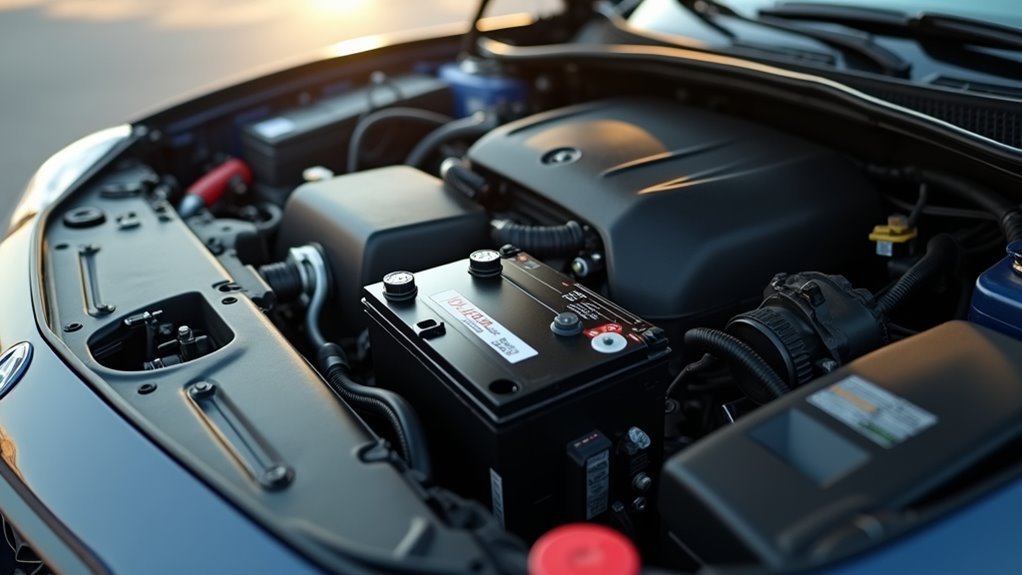
Can a Car Battery Recharge Itself While Driving
Yes — a car battery can recharge while driving because the alternator supplies electrical power and restores charge. Short drives and frequent accessory use limit how fully the alternator can recharge a weak battery. Roughly 80% of batteries that appear dead simply need a proper charge rather than replacement. Persistent weakness signals wiring, charging system, or battery health issues that require attention. Knowing these basics helps prevent unexpected stalls and unnecessary battery purchases.
Can a Car Battery Recharge While Driving?
Yes, a car battery can recharge while you’re driving, but the battery itself doesn’t do the work. You’re part of a system that keeps things moving, and that can feel reassuring when you’re worried about a weak start.
During battery maintenance, check terminals, belts, and overall condition, because a healthy battery accepts charge better. In case you’ve used your lights or left the car sitting during seasonal storage, a drive can help restore some power.
Still, short trips often won’t do enough, especially provided the battery is deeply drained. A steady drive gives the charging system more time to help. So, whenever you notice slow cranking, don’t panic. Give it time, and let the car do its job.
How the Alternator Charges Your Battery
Your alternator makes electricity while the engine runs, so it can send power back to your battery instead of letting it drain further.
As you drive, that charging system works best whenever the engine stays running steadily, because the battery gets a cleaner, stronger recharge.
But in case you keep lots of accessories on, your car uses more power and leaves less energy for the battery to recover.
Alternator Power Generation
Once the engine comes to life, the alternator takes over like a tiny power plant under the hood. It spins with the belt, and you get steady electricity for the road ahead. A brushless alternator trims wear, while the voltage regulator keeps output calm and safe for your system.
| Part | Job | Why it helps |
|---|---|---|
| Rotor | Makes magnetic force | Starts power flow |
| Stator | Turns motion into electricity | Feeds your car |
| Voltage regulator | Controls output | Protects your battery |
| Diodes | Smooth current flow | Keeps charge useful |
| Belt drive | Spreads engine motion | Lets the alternator work |
When you drive, you’re part of a team, and the alternator keeps your battery from slipping behind. Stronger engine speed usually means more power, so your battery can stay ready for the next start.
Battery Recharging Process
As the alternator starts feeding power back into the car, the battery begins to recover in a steady, controlled way rather than in a sudden burst. You can envision it as a careful refill, not a fast splash.
The alternator sends current through the charging system, and that current nudges the battery chemistry back toward balance. Inside the cells, ions move and store energy again, while thermal effects stay in check because the system limits excess heat.
Should your battery be only lightly drained, you might feel relief after a normal drive. In case it’s deeply low, the process takes longer, and your battery could still need more time than one trip gives you. That’s why a healthy charging path matters so much.
Driving and Electrical Load
At the time you’re driving, the alternator has to share its power with every system in the car, so battery charging depends a lot on how much electricity the vehicle is using. Should your headlights, heater, and infotainment stay on, less power reaches the battery. That’s why short trips and heavy accessory draw can leave you behind.
- Steady highway driving usually helps more.
- Stop-and-go traffic can slow charging.
- A weak cabinet fuse can disrupt support systems.
- Fewer accessories leave more charge for you.
You’ll feel better realizing normal driving can still help, but it works best whenever the load stays low. Even then, the alternator mostly keeps things balanced instead of rushing to refill a deeply drained battery.
Can a Dead Car Battery Recharge on the Road?
A dead car battery usually can’t bounce back on the road on its own, and that’s the part that catches many drivers off guard.
Should your car won’t start, you’ll likely need a jump to wake it up firstly. After that, driving can help the alternator send charge back into the battery.
A short drive around town perhaps only give you a little help, but a steady highway trip works better.
Keep your emergency kits ready with jumper cables and a flashlight, so you’re not stuck guessing in the dark.
In case the car still won’t crank, call roadside assistance and get support fast. You’re not alone in this, and a little planning can make a rough day feel much more manageable.
Why Your Battery May Not Fully Recharge
Your battery mightn’t fully recharge because the alternator can only send out so much power while you’re driving.
Should you keep taking short trips, the battery might never stay on the road long enough to build back a full charge.
And whenever you run headlights, heat, or music, those extra loads use up part of that power before it reaches the battery.
Alternator Output Limits
Even although you’re driving, the alternator can only give the battery so much power, and that limit is why a battery couldn’t fully recharge.
You’re not doing anything wrong; the system is built to keep the car running foremost.
With voltage regulation and temperature compensation, the alternator protects the electrical system, but it also caps how much extra charge reaches the battery.
- It shares power with lights and screens.
- It eases off once the battery nears full.
- It might slow output at idle.
- It can’t erase a deep discharge fast.
Short Driving Trips
Short trips often leave your battery only partly recovered, and that can feel frustrating provided you’ve already been driving around town.
Whenever you start the car, cold starts pull a bigger burst of power, and the alternator needs time to replace it. Should you stop again before that happens, your battery stays behind. In many cases, that shallow cycle keeps repeating, and battery sulfation can build up over time.
Then the battery loses strength a little more each week. You might notice slower cranking on busy mornings, especially after several errands in a row.
A longer drive helps more because it gives the charging system steady time to work. So, in case your routine is all stop-and-go, your battery could never get the full recovery it needs.
Electrical Load Drain
Just as significant, electrical load can quietly eat into the charge your battery gets while you drive. Your alternator has to feed the battery and your car at the same time, so extra use can leave less power behind for recharge. Whenever you run more devices, you make the battery work harder to keep up.
- Headlights and fog lights add demand
- HVAC fans pull steady power
- Infotainment and chargers raise accessory load
- A parasitic draw can drain power even when parked
Should your drive be short, this drain matters even more. You might feel fine on the road, yet your battery still gets only a partial refill. So, in the event you’ve got lots of accessories on, the system could stay busy, and your battery won’t fully recover as quickly as you’d like.
Signs Your Battery Isn’t Charging Properly
Sometimes the clearest sign your battery isn’t charging properly is that your car keeps acting tired, and that can feel frustrating fast. You could notice slow cranking, dim lights, or accessories fading whenever you stop at a light.
In case you see dashboard warnings for the battery or charging system, don’t brush them off. They often mean the alternator isn’t sending enough power back to the battery.
You may also lose power after the car sits overnight, which can point to a parasitic draw quietly draining it. Even after a drive, the battery might still seem weak or the engine could hesitate again.
Whenever these signs keep showing up, your car is telling you it needs attention, and you’re not the only one who’s been there.
How Long You Need to Drive to Recharge
Provided that your battery is only a little low, about 30 to 60 minutes of driving can often give it a useful charge, especially on the highway. You’ll usually help the alternator most when you keep the engine steady and avoid long stops.
Should you’re just topping off after a normal start, that drive could be enough to bring back confidence.
- Highway miles usually help more than city traffic.
- A deeper drain might need several hours.
- Running lights and HVAC can slow charging.
- Regenerative braking can help in some cars, but it won’t replace engine charging.
Common Reasons a Car Battery Won’t Charge
Provided your battery still isn’t charging well after a decent drive, the problem usually sits elsewhere in the charging system. You may have corroded terminals that block current, loose cable ends that waste power, or a weak alternator that never sends enough charge back. Sometimes the battery itself is old and can’t hold energy anymore, so even a good trip leaves you stuck again.
Also, parasitic drains can quietly pull power while the car sits, like a glove box light or another concealed load. Should you notice dim lights, slow cranking, or warning lights, don’t ignore them. These clues often point to a real fix, and you’re not the only one managing with it. With a careful check, you can get back on the road with confidence.
How to Keep a Car Battery Charging Properly
Keep your battery healthy through giving the charging system the right conditions to do its job. Good battery maintenance starts with clean terminals, tight cables, and a belt that doesn’t slip. Then your charging habits matter too, because short trips and heavy accessory use can leave the battery behind.
- Drive longer when you can
- Turn off lights before shutdown
- Check for corrosion often
- Inspect the alternator yearly
If you mostly run errands, try one steady drive each week so the alternator can catch up. Also, watch for slow starts, because that’s your car asking for help.
When you care for the system this way, you give your battery a better shot at staying charged, and you keep yourself in the club of drivers who don’t get surprised on a busy morning.
Frequently Asked Questions
Can a Battery Recharge While the Car Is Parked?
No, you usually cannot recharge a car battery while it is parked. Instead, parasitic draw can drain it, and battery conditioning only helps maintain it. You will need an external charger or a running engine.
Does Using Accessories Slow Battery Charging?
Yes, using accessories does slow charging because accessory load raises parasitic draw, leaving less alternator power for your battery. You will still recharge, but slower, especially with headlights, HVAC, and infotainment running during your drive.
Will a New Battery Charge Faster While Driving?
Yes, a new battery usually charges a bit faster while you drive because it accepts charge better. Your battery conditioning and alternator health still matter, so steady highway miles help more than short trips.
Can Cold Weather Affect Battery Recharging?
Yes, cold weather can slow your battery’s recharge. You’ll notice higher electrolyte viscosity and weaker cold cranking, so your alternator works harder. Drive longer and limit accessories, and you’ll help the battery recover better.
Does Idling Charge a Battery as Well as Driving?
No, idling usually does not charge your battery as well as driving. Your alternator output and engine rpm stay lower, so you will gain less charge. A steady drive helps your battery recover faster and more fully.