Book Appointment Now

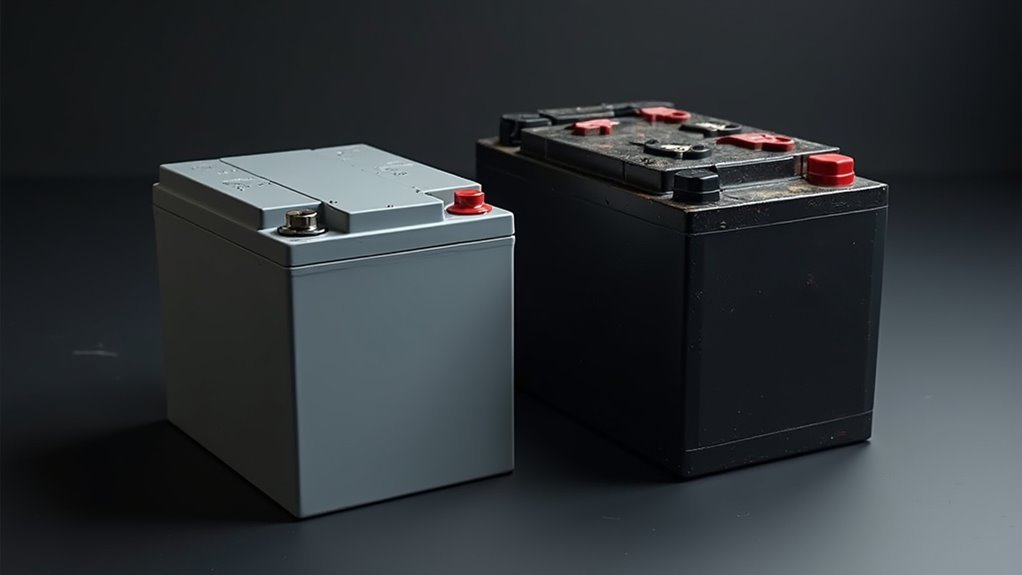
AGM Battery vs Lead Acid Battery Differences
AGM batteries use glass mats to trap electrolyte, making them spill-proof, vibration-resistant, and quicker to accept charge. Flooded lead‑acid batteries are cheaper up front but require regular maintenance, water topping, and must stay upright. AGM units tolerate deeper discharges and have lower self‑discharge, while flooded batteries perform well for long-term, steady cycling at a lower cost. Choose AGM for low maintenance, faster charging, and tougher mounting conditions; choose flooded for budget‑conscious setups that accept routine care. This gives a clear trade‑off between convenience and price.
What Is an AGM Battery?
An AGM battery, or absorbent glass mat battery, is a type of lead-acid battery that uses lead plates and sulfuric acid just like a standard flooded battery, but it holds the electrolyte in fiberglass mats instead of letting it slosh around in liquid form.
You get a sealed chemistry that keeps the acid trapped, so you can trust it in places where spills would be stressful. Its safety features help reduce leaks, limit off-gassing, and support steadier performance in tight spots. Because the electrolyte stays fixed, you can mount it in more positions and still feel confident. You also get a battery that handles vibration well and asks less from you day to day. Should you want dependable power with less hassle, AGM gives you a smart, reassuring option.
What Is a Flooded Lead Acid Battery?
Assuming AGM batteries feel like the safer, cleaner choice, flooded lead acid batteries are the older, more hands-on cousin in the same family.
You get lead plates and liquid sulfuric acid, and you keep the case upright so the electrolyte stays around the plates.
That free-flowing liquid helps the battery work, but it also brings venting risks, so you need a little extra care.
You check water levels, top them up whenever needed, and watch for acid stratification, which can happen whenever the acid settles unevenly.
In case you enjoy being part of the upkeep and don’t mind a bit of maintenance, this battery can feel familiar and practical.
It’s a common fit whenever simple power and lower cost matter more than convenience.
What’s the Difference Between AGM and Lead Acid Batteries?
You’ll notice AGM and flooded lead-acid batteries share the same basic chemistry, but they handle the electrolyte in very different ways.
AGM batteries trap the liquid in fiberglass mats, while flooded batteries keep it free-flowing around the plates.
That design change affects how you use them, since AGM batteries are usually easier to maintain and often perform better under heavy use.
Construction And Electrolyte
At the core, AGM and standard lead-acid batteries share the same basic chemistry: both use lead plates and sulfuric acid to store and release energy. You’ll notice the real difference in construction. AGM batteries wrap the acid in absorbent fiberglass separator materials, which create electrolyte immobilization and keep the liquid from sloshing around. That sealed design helps you feel confident in tighter spaces and different positions.
Standard lead-acid batteries use a flooded layout, so the electrolyte stays free-flowing around the plates. Because of that, you usually need an upright setup. In simple terms, AGM holds everything in place, while flooded batteries leave the acid loose. So, whenever you compare them, you’re really comparing how each battery contains the same chemistry.
Performance And Maintenance
Now that the basic build is clear, the real day-to-day difference shows up in how these batteries perform and how much care they ask from you. AGM gives you stronger bursts, quicker recovery, and steadier power whenever temperature effects change the load. Flooded lead acid can still serve you well, but it needs more checking and water top offs.
| AGM | Lead Acid |
|---|---|
| Faster charging | Slower charging |
| Low upkeep | Regular upkeep |
| Better vibration resistance | More spill risk |
| Longer service life | Shorter service life |
You’ll also notice AGM works better with smart charging algorithms, so your system feels easier to trust. Should you want less fuss and more confidence in tight spaces, AGM often fits your circle. In case you’re watching cost to begin with, flooded batteries still keep things simple and familiar.
How Do They Charge and Maintain?
Charging and maintenance are where AGM and flooded lead-acid batteries really start to feel different in daily use. You can charge AGM batteries with careful charging profiles that match their sealed design, and they usually accept power faster.
With flooded batteries, you need more attention because they can lose water and might require battery equalization now and then to balance the cells. That extra step helps them stay healthy, but it also asks more of you.
AGM batteries keep things simpler, since you won’t top off water or watch for spills. Flooded batteries ask for regular checks, venting space, and a little more hands-on care. So, should you want a battery that fits into a busy routine, AGM often feels easier and more comfortable to live with.
Which Battery Lasts Longer?
Provided you’ve already thought about charging and upkeep, the next big question is simple: which battery will stay useful for the longest time?
Usually, AGM wins on battery longevity because its sealed design cuts spills, slows sulfation, and handles deeper use better. In cycle testing, AGM often shows more charge and discharge rounds before it weakens. You’ll also notice it stays steadier in rougher spots, so your setup feels more dependable.
A flooded lead acid battery can still serve you well, but it usually wears out sooner, especially when water levels drop or vibration shakes it hard. So in case you want a battery that keeps showing up for you, AGM is the stronger long-term choice. That extra staying power can make your whole system feel calmer and easier to trust.
How Much Do AGM and Lead Acid Batteries Cost?
Usually, the biggest difference between AGM and flooded lead acid batteries shows up right at the checkout counter. You’ll usually see price ranges that put flooded batteries on the lower end and AGM batteries higher, sometimes much higher.
That extra cost can feel annoying now, but it often buys you fewer replacement intervals and less upkeep later. Should you don’t want to babysit water levels, AGM can feel like a cleaner fit for your routine.
Flooded batteries still make sense when you desire the cheapest swap and you’re okay with more attention over time. So, whenever you compare totals, reckon beyond the sticker. You’re not just buying a battery, you’re choosing how often you want to spend money, time, and patience on the next one.
Best Uses for AGM Batteries
You’ll get the most from an AGM battery whenever your vehicle needs steady power and quick recharging, especially in start-stop driving wherever the battery works hard every day.
It’s also a smart fit for marine and RV setups, since you need reliable power, spill resistance, and better handling in rough motion. In these uses, AGM batteries help you worry less and enjoy more.
Start-Stop Vehicles
- They deliver quick bursts of power.
- They recharge faster between stops.
- They resist vibration on busy roads.
- They need less upkeep from you.
That matters because you want a car that feels ready, not one that leaves you waiting. With AGM, you join drivers who expect smooth restarts and steady performance every day. Should your commute has lots of traffic, this battery fits right in.
Marine And RV Use
Whenever you take your boat or RV out for real life travel, an AGM battery can make the whole setup feel a lot less stressful. You get steadier power for marine kitchens and onboard refrigeration, so your crew feels at home.
| Feature | Why it helps | Your payoff |
|---|---|---|
| Sealed case | It resists leaks | You worry less |
| Vibration control | It handles bumps | Your gear stays calmer |
| Fast recharge | It fills up sooner | You keep moving |
Because AGM batteries are sealed, they fit tighter spaces and handle rocking better than flooded batteries. That matters whenever waves hit or whenever you drive rough roads. You also avoid water checks, which saves time before a trip. So, should you want your travel circle to feel prepared, AGM gives you reliable comfort and quieter confidence.
Best Uses for Flooded Lead Acid Batteries
Flooded lead acid batteries still hold their ground while cost matters most and the job is fairly simple. You can count on them for budget replacements in older cars, lawn gear, and backup systems that don’t need fancy charging. They also fit seasonal storage, since you might use them for a boat, camper, or snowmobile only part of the year.
- Basic vehicles with steady power needs
- Short-term backup lights and pumps
- Equipment you store upright and check often
- Projects where low upfront cost beats long service life
If you’re part of a crew that values practicality, these batteries keep you in the group without stretching your wallet. Just bear in mind, they ask for water checks and careful handling, so they work best whenever you’re willing to stay involved.
Frequently Asked Questions
Can AGM Batteries Be Installed on Their Side?
Yes, you can usually install AGM batteries on their side because they are sealed and spill resistant. Just use proper mounting hardware and watch temperature sensitivity since heat can still shorten life and performance.
Do AGM Batteries Produce Gas During Normal Use?
Not much; you’ll usually see very little gas from AGM batteries during normal use. Their sealed construction and low maintenance recombination keep off-gassing minimal, so you can feel confident using them in enclosed, shared spaces.
Are AGM Batteries Safer if Tipped Over?
Yes, AGM batteries are generally safer if tipped over because they trap electrolyte in mats, which reduces spill risk. You should still check orientation sensitivity, but you will usually get fewer leaks and feel more confident handling them.
Which Battery Handles Vibration Better?
AGM batteries handle vibration better because their absorbed electrolyte enhances vibration resistance. You’ll get more reliable performance in rough conditions, and mounting recommendations are more flexible since they are sealed and less likely to spill or leak.
Is There a Difference in Cycle Life at Deep Discharge?
Yes — your AGM battery usually gives you better cycle longevity at deep discharge, with higher depth tolerance than a standard flooded lead acid battery. You will get more usable cycles, especially if you regularly drain it deeply.