Book Appointment Now

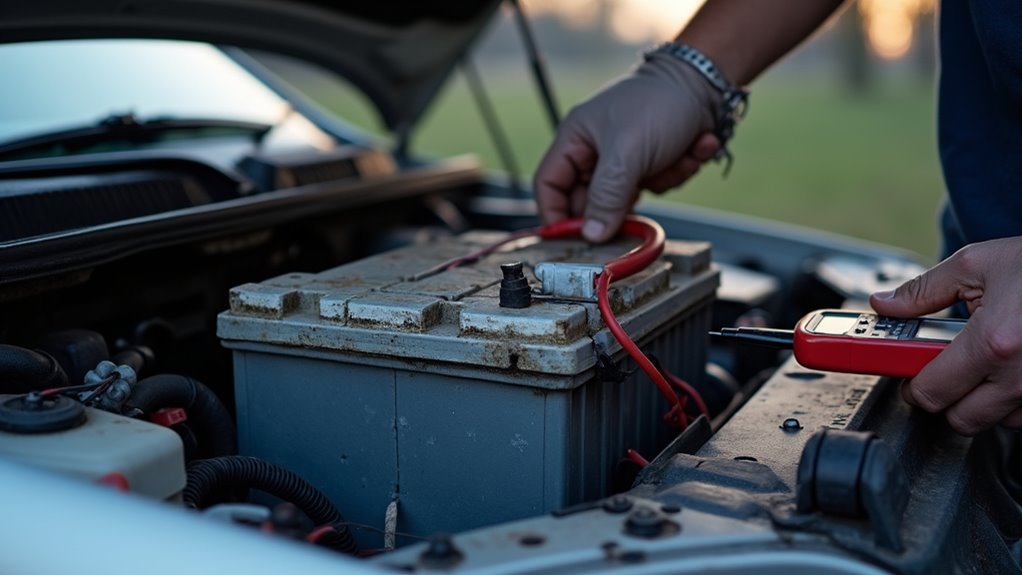
Common Reasons a Car Battery Won’t Hold a Charge
A battery that won’t hold a charge usually points to a few common causes. Age and worn-out cells reduce capacity over time. Corroded or loose terminals interrupt the connection. A failing alternator can stop the battery from recharging during drives. Parasitic electrical drains, frequent short trips, and cold weather also accelerate battery failure.
Why Your Car Battery Keeps Dying
Whenever your car battery keeps dying, the problem usually isn’t random, and that can be a relief because there’s a clear reason behind it. You may leave a light on, keep a proximity key too close, or let electronics stay awake after shutdown. Even a factory module can sip power overnight, and your parking habits can make that drain worse. In case you use a mobile app to check the car, the extra wake-ups can add to the load too.
Next, look at the simple stuff. Corroded terminals or loose cables can block charging and leave you stuck. So, clean the posts, tighten the connections, and pay attention to whenever the battery dies. These clues help you fit in with drivers who catch the issue sooner.
An Old Battery That Won’t Hold a Charge
An old battery can quietly run out of steam, even although everything else in your car seems fine. You might still turn the key and hear a weak crank, or nothing at all, because age slowly steals its reduced capacity.
As the years pass, plate corrosion builds inside the battery and weakens how well it stores and releases power. Should your battery be about four to five years old, it could simply be near the end of its life.
You can recharge it, but the charge might fade again fast. That can feel frustrating, yet it’s common. Whenever an aging battery starts acting tired, replacement often gives you the reliable start you’ve been hoping for.
Corroded or Loose Battery Terminals
Looking closely at the battery posts, you could notice a white or green crust that’s easy to miss initially, but hard to ignore once it starts causing trouble.
That buildup can sit on each battery terminal and block the flow you need for a solid start. Should the cable feel loose, your battery could charge unevenly, and you could end up with weak cranking again and again.
You don’t need to feel stuck, though. A few simple maintenance tips can help: clean the posts with a brush, tighten the clamps, and check that each connection sits snug and straight.
While you’re there, inspect for dampness or rough spots, since corrosion can spread quietly.
Taking care of these connections gives your battery a better path to stay ready.
When a Bad Alternator Drains the Battery
Should your battery keep acting weak even after you cleaned the terminals, the alternator could be the next place to check.
You rely on it to refill the battery while you drive, so whenever it slips, the battery can look guilty even when it’s not. A worn belt, a weak voltage regulator, or a bad alternator diode can keep charging voltage low. That means your battery might start strong, then fade again after a short trip. You could also notice dim lights, a whining sound, or a warning light on the dash.
Should you examine the system, you should see about 13.8 to 14.2 volts with the engine running. In cases when you don’t, the alternator needs attention before the battery gets worn down again.
Parasitic Drain That Saps Power
Even though your car is off, small electrical parts can still pull power from the battery. Lights, radios, modules, and even a nearby key fob can create a concealed drain that slowly weakens your charge.
A parasitic draw evaluation can help you spot that extra current and figure out what’s staying awake.
Common Drain Sources
At times your car battery keeps going dead, the problem could be hiding in plain sight. You might leave dashboard accessories plugged in, or interior lighting could stay on after you walk away. A glove box lamp, trunk light, or radio can keep sipping power all night. Even smart keys left too close to the vehicle can wake systems and drain the battery.
Your car also might keep small memory settings alive, and that’s normal. But when something else keeps running, your battery can’t rest. So, check the cabin, doors, and cargo area for any light that glows. Then unplug extra devices and shut everything off fully. Small habits like these help you protect your ride and feel confident every time you start it.
How Drain Is Measured
Once you’ve already ruled out the obvious lights and gadgets, the next step is figuring out whether something concealed is still pulling power from your battery.
You can check this with the multimeter method, which lets you measure current while the car sits off.
To start, let the vehicle sleep so modules settle down.
Then place the meter in series with the battery cable and observe the baseline amperage.
That reading shows what the car needs to keep memory alive.
Suppose the number sits above normal, you’ve got extra drain somewhere.
Move one fuse at a time and watch the meter.
As soon as the draw drops, you’ve found the circuit that needs attention.
This step can feel slow, but you’re not guessing anymore.
You’re reading the car’s appetite, and that gives you a clear next move.
Signs Of Hidden Drain
Covert drain can sneak up on you and leave you with a dead battery that seems to fail for no clear reason. You could notice concealed indicators like a dim dome light, a radio that wakes up on its own, or a key fob parked too close overnight. Those small loads can cause nighttime discharging while you sleep.
| Clue | What it could mean |
|---|---|
| Slow morning start | Power slipped away after shutdown |
| Warm battery | Something stayed active too long |
| Flickering dash lights | A module could not sleep |
| Repeated jump starts | Draw keeps coming back |
If you feel stuck, you’re not alone. Check for lights left on, loose accessories, or a trunk lamp that won’t quit. Next, a parasitic draw check can show whether the pull is normal or excessive, so you can get back to reliable starts without guesswork.
How Short Trips Weaken the Battery
Short trips often hurt your battery more than people expect. Whenever your trip frequency stays high but each drive is brief, your alternator can’t finish charge recovery. That leaves the battery sipping power without getting back what it gave up. You might notice slow starts, dim lights, or a tired crank after a few errands.
In case you mainly do school runs, coffee runs, or quick store hops, the battery never gets a real break. Longer drives help it rebuild strength, but short ones keep it in a low state. Even a healthy battery can feel worn whenever it doesn’t recharge fully.
To help, give your car one longer drive each week, or use a maintainer so your battery stays ready and you remain in the club.
How Cold Weather Affects Battery Life
Cold weather can make your battery feel weaker because it slows the chemical action inside it.
You might notice your car cranks more slowly, and a battery that seemed fine yesterday can struggle after a cold night.
Since winter also adds extra demand at startup, you can end up with more drain and more starting trouble whenever you need the car most.
Cold Weather Battery Drain
As temperatures drop, your car battery has to work much harder just to do the same job, and that extra strain can leave you stuck with a weak start the next morning. You can help through checking battery insulation, especially provided your battery sits in a drafty engine bay.
Cold weather slows the chemical reaction inside the case, so less power reaches your starter and accessories. Supposing the battery is already low on charge, electrolyte freezing can damage it even more.
You’ll also notice that short trips give the battery less time to recover, so the charge can keep slipping away. Whenever you park outside often, keep connections clean and the battery fully charged. That way, you stay ready, even though winter feels like it’s personally assessing you.
Winter Starting Problems
You might hear slow cranking, a click, or nothing at all, and that can leave you stressed before work. Should your battery be older, weak, or only partly charged, winter can push it past its limit fast.
To help, park in a garage whenever possible, keep terminals clean, and use battery blankets in harsh weather. Also, take longer drives sometimes, because short trips don’t give your battery enough time to recover.
When to Test or Replace the Battery
Should your car battery keeps acting weak, it’s time to inspect it before you assume the worst. You don’t have to guess; a load test can show whether the battery still delivers enough power under stress. In the event it fails, the replacement timeline is already near, especially if the battery is four years old or older.
You should also check for slow cranking, dim lights, and repeated jump-starts. Those signs often mean the battery can’t recover its full charge. Should the case be swollen, cracked, or crusted with corrosion, replace it soon.
Once the battery passes testing but keeps losing power, look deeper at charging issues or parasitic drain. That way, you stay in control and keep your car ready whenever you need it.
Frequently Asked Questions
How Often Should I Clean Battery Terminals?
Clean your battery terminals every month as part of monthly maintenance, and give them a seasonal inspection before winter and before summer. You will keep corrosion down, support strong starts, and help your battery stay reliable.
Can a Battery Die From Sitting Unused Too Long?
Yes, your battery can die from sitting unused too long; what seems like coincidence is often a concealed drain and self discharge quietly working together. You will fit right in through driving or charging it regularly.
Should I Replace Both Battery Cables Together?
Not always, but you should replace both in case one is damaged or corroded. Check battery compatibility initially, because mismatched cables can cause trouble. If you see cable corrosion, changing the pair helps you keep reliable power together.
Does the Battery Warning Light Always Mean Alternator Trouble?
No, you should not assume that. Your dashboard indicator can light up for battery, connection, or charging issues as well. Use voltage checking to see what is really happening so you will feel confident and stay informed.
How Do I Check Battery Fluid Levels Safely?
Wear protective eyewear, then check the battery’s translucent case or caps for fluid between the marked lines; one in three battery failures starts with neglect. If necessary, use a battery hydrometer to confirm safe levels.