Book Appointment Now

What Causes Rapid Battery Drain on Laptops
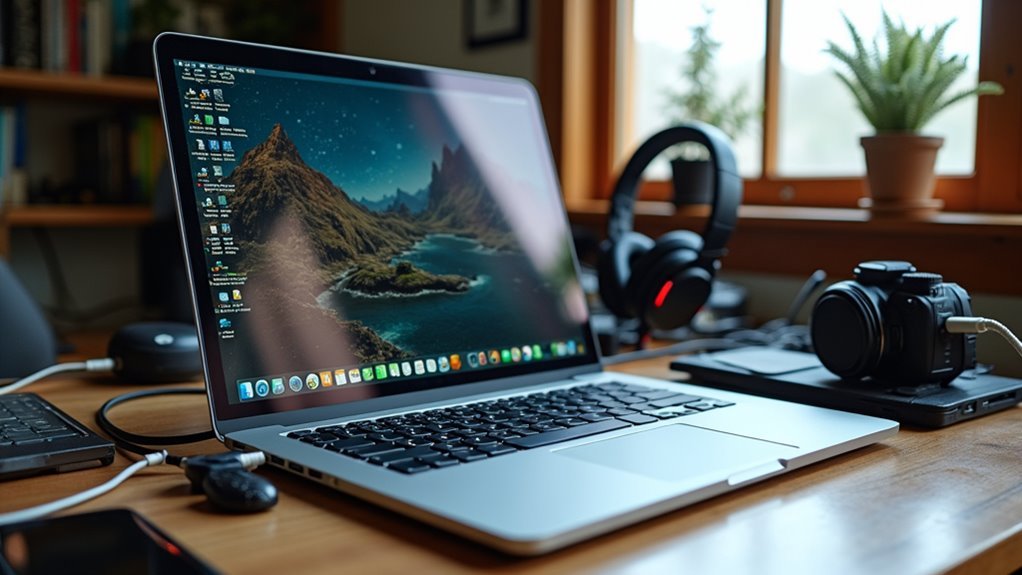
Laptop batteries can drop rapidly because several factors draw power at once. Bright displays, active background apps, and many startup programs increase energy use. Heat and aging battery cells reduce capacity and raise drain. Faulty chargers or hardware faults can cause abnormal power loss. Malware and heavy network activity add unexpected battery consumption.
Main Reasons Laptop Batteries Drain Fast
Your laptop can burn through battery much faster than you expect whenever a few power-hungry habits stack up at once.
Whenever background apps keep running, they wake the CPU, memory, and network even though you’re not using them. Startup programs do the same right after boot, and crowded browser tabs, cloud-sync tools, and video calls can keep draining power in the background.
Then battery chemistry starts to matter too, because older cells can’t hold energy like they used to. In case your laptop has gone through many charging cycles, you might notice shorter runtime even on normal days.
Add heavy multitasking or a warm machine, and the drain gets worse. That’s why checking running apps and battery health can help you feel more in control.
Screen Brightness and Power Settings
Your screen can drain battery faster than almost anything else on your laptop, so lowering brightness can make a real difference straightaway.
You can also stretch battery life choosing power settings that favor saving energy instead of raw speed. Small changes like these often add up quickly, and your laptop won’t feel nearly as thirsty.
Brightness Impact On Battery
Usually, screen brightness is one of the fastest ways to drain a laptop battery, and it can happen before you even notice it. Whenever you keep the display too bright, your battery works harder just to keep up. Should your laptop have ambient sensors, let them help, but check that they’re not making the screen brighter than needed indoors.
Also, color calibration can change how vivid the image looks, so you might need less brightness after a quick adjustment. You don’t have to sit in the dark to save power; just lower the light until it feels comfortable. Small changes like that help you stay connected longer, and they make your laptop feel like it’s on your side, not racing ahead of you.
Power Settings Optimization
After you’ve adjusted screen brightness, the next thing to check is how your power settings are working behind the scenes. Should you use a high-performance plan, your laptop might stay enthusiastic all day, even during times you just want it to relax. Switch to a balanced or battery-saving mode so the system can slow the processor and dim extra activity. Adaptive charging can also help through protecting battery health over time, especially when you plug in often.
Then review sleep, screen-off, and hibernation settings, because short delays stop wasted power fast. Turn off Bluetooth and Wi-Fi whenever you don’t need them, and unplug peripherals that sip energy quietly. Should your device supports processor throttling, let it do its job without fear. You’re not alone in wanting more battery life.
Background Apps and Startup Programs
You mightn’t notice them, but concealed background processes can keep your laptop’s CPU, memory, and network busy long after you’ve closed the main window.
Startup overload can make things worse, because those apps begin draining power as soon as you boot up. Should one app seem to eat battery fast, Task Manager can help you spot it before it keeps sneaking energy away.
Hidden Background Processes
Concealed background processes can quietly wear your battery down, even while your laptop looks idle. You’re not alone whenever this occurs, and it’s fixable. Some apps stay active after you close them, and they keep the CPU, memory, and network busy. That extra work costs power fast.
- Check Task Manager for high energy use.
- Close browser tabs, sync tools, and chat apps you don’t need.
- Watch for stealth crypto mining and covert firmware services that run without permission.
If your battery still drops fast, look for misbehaving apps that keep working after minimization. A few quiet processes can make your laptop feel tired before you do, so trim them back and give your device a break.
Startup Program Overload
Startup apps can sneak in and start draining your battery the moment your laptop boots up. You mightn’t notice them, but they wake up with you and keep memory, CPU, and network activity going. That means your battery works harder before you even open your initial file.
Whenever too many tools load at once, your laptop feels busy, and power slips away fast. The fix starts with a quick check of startup lists and Task Manager. Turn off anything you don’t need right away, and leave only the essentials. Also, keep firmware updates current, since they could improve power control.
With a little user education, you’ll spot these sneaky launchers sooner and feel more in control.
Battery Draining Apps
Background apps can quietly chip away at your battery even though you’re not using them, and that can feel frustrating should your laptop seems to lose power for no clear reason. You’re not alone, and you can take back control with a few smart checks.
- Open Task Manager and look for apps using lots of CPU, memory, or network.
- Close cloud-sync, browser tabs, and video apps you don’t need right now.
- Review startup programs so they don’t launch the second you sign in.
Some apps stay active after you minimize them, and a bad update can make them worse.
Also, watch for malware activity, since concealed processes can drain power fast. Check app permissions too, because unnecessary access can keep apps busy in the background. Whenever you trim these extras, your laptop feels lighter and lasts longer.
Heat and Battery Wear
Even though your laptop feels fine, heat can quietly wear down the battery and make it drain faster than you expect. Whenever you push your device through long gaming, editing, or multitasking sessions, the battery works harder and loses strength sooner.
Warmth also speeds up cell imbalance, which can leave one part of the battery weaker than the rest. In case the system gets too hot, thermal throttling kicks in and slows performance, but the battery still keeps losing energy.
You might notice shorter runtime, faster drops, or a laptop that feels hot on your lap. To stay in control, keep vents clear, use a hard surface, and give the machine breaks during heavy use. That way, you help your battery stay steadier and last longer.
Hardware Issues That Drain Battery
A laptop can seem healthy on the outside and still lose power too fast because of concealed hardware trouble. You’re not imagining it, and you’re not alone. Whenever internal parts fail, they can quietly pull extra power and make your battery fade.
- A weak charging port or faulty charger recognition can confuse the system and waste energy.
- Motherboard corrosion can create tiny shorts, so power slips away even whenever you’re not using much.
- Damaged fans, loose cables, or worn sensors can push the laptop to work harder than it should.
Because heat already stresses your device, these hardware faults can speed up drain fast. In case your laptop feels different lately, trust that signal. It’s your machine asking for help, and you deserve a setup that feels dependable.
Check Battery Drain on Windows and macOS
Start through checking what’s quietly eating your battery in Windows or macOS, because the real drain often hides in plain sight.
On Windows, open Task Manager and look at battery diagnostics, CPU, and power use. You might spot browser tabs, sync tools, or chat apps still working hard.
On macOS, open Activity Monitor and view Energy or usage analytics to see which apps wake your laptop most.
Then check the battery menu for brightness, Bluetooth, and keyboard backlight settings, since small settings can add up fast.
Should you see an app staying active after you close it, that’s a clue.
This quick check helps you feel less stuck and more in control, because you’re not guessing anymore; you’re reading the signals your laptop already gives you.
Fix Rapid Laptop Battery Drain
Fixing rapid laptop battery drain starts with the easiest wins, because small changes can bring real relief fast. You can help your laptop feel more dependable by trimming concealed power use and giving the battery a fair chance to work well again.
- Lower screen brightness and shorten sleep time.
- Close heavy apps, browser tabs, and startup programs.
- Use battery calibration and keep good charging etiquette.
Next, check Wi-Fi, Bluetooth, and plugged-in devices, since they can quietly sip power all day. Should your laptop still loses charge too quickly, update drivers and look at battery health.
A worn battery might need replacement, and that’s okay. You’re not alone when this feels annoying; lots of people hit this wall. Small, steady fixes can make your laptop easier to trust again.
Frequently Asked Questions
Why Does My Laptop Battery Drain Even When It Is Sleeping?
Your laptop drains while sleeping because background processes and misconfigured wakeups keep parts active, so you are not alone. Check sleep settings, close sync apps, disable wake timers, and let Task Manager help you find the culprits.
Can USB Devices Drain Battery While My Laptop Is Plugged In?
Yes. USB devices can still drain your laptop while it is plugged in if USB peripherals keep drawing power, power negotiation fails, background charging stays enabled, or port firmware misbehaves. You can unplug extras or disable charging.
Does Wi‑Fi or Bluetooth Always Reduce Laptop Battery Life?
No, not always; your wireless radios only sip extra power while they are active, like a porch light left on. With solid power management, you will often barely notice. Turn them off whenever you do not need them.
How Can I Tell if My Battery Is Failing, Not Just Draining Fast?
You can tell by checking battery health, evaluating capacity, monitoring voltage behavior, and reviewing cycle count. If your laptop loses charge quickly after light use, shows low capacity, or has unusual voltage swings, the battery is likely failing.
Do Browser Tabs Really Cause Significant Laptop Battery Drain?
Yes, browser tabs can drain your laptop battery, especially background tabs with ad scripts, video, and sync activity. You will save power by closing extra tabs, pausing heavy tabs, and using fewer extensions.