Book Appointment Now

What Is Battery Thermal Runaway
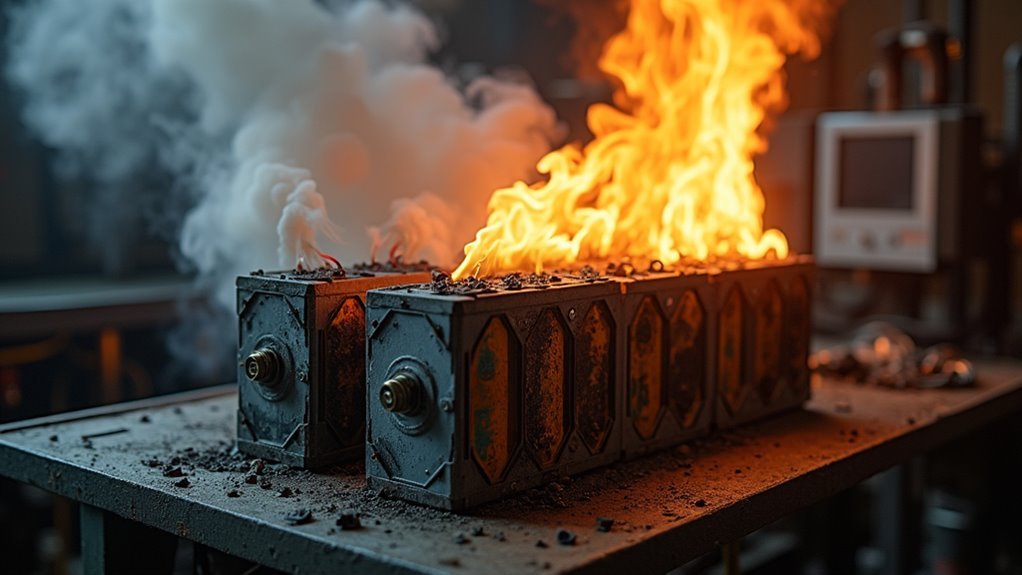
Battery thermal runaway is when a battery cell overheats uncontrollably and releases heat faster than it can cool down. A rise in temperature accelerates internal reactions, causing more heat generation and a chain reaction. This process can lead to venting, fire, or explosion. Small damage, manufacturing defects, or charging stress often trigger the initial overheating. Lithium-ion cells are especially vulnerable because they store high energy in compact designs and use flammable electrolytes.
What Is Battery Thermal Runaway?
Battery thermal runaway is while a battery starts heating itself faster than it can cool down, and that extra heat feeds more chemical reaction in a dangerous loop.
You can consider it as your battery chemistry slipping into overdrive.
Because the heat keeps building, the cell can no longer stay balanced, even whenever you’re trying to use it normally.
In high energy density batteries, that tight packing of energy makes the process more intense.
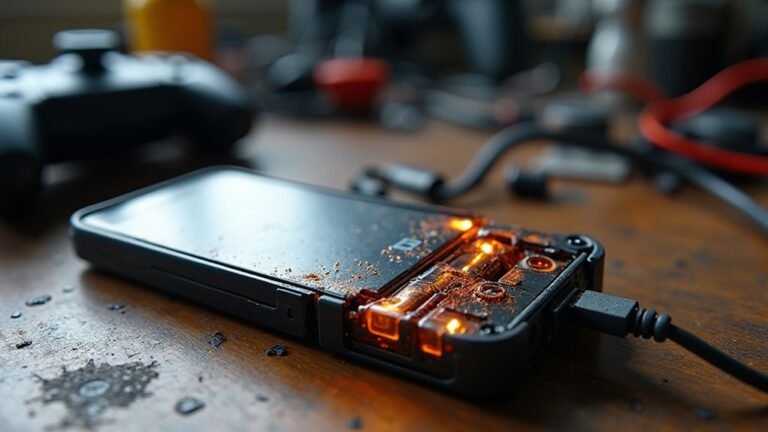
You might notice swelling, smoke, or a sharp odor, but the change often begins inside initially.
That’s why this state matters so much to you and everyone nearby.
Once it commences, the battery can keep heating on its own, and the damage can grow fast.
What Triggers Battery Thermal Runaway?
Several things can trigger battery thermal runaway, and most of them start with one simple problem: the cell can no longer control its own heat. You couldn’t see the danger right away, but tiny faults can build fast.
- Internal shorts can spark sudden heat.
- Overcharging can push the cell past safe limits.
- Mechanical damage, like a crush or puncture, can start trouble.
- Manufacturing defects or electrolyte contamination can weaken the cell from inside.
When one of these problems hits, the cell could start heating on its own. Then the heat feeds the reaction, and the cycle grows. Should you use batteries every day, that can feel unsettling, but you’re not alone in watching for these warning signs. Staying aware helps you spot trouble at an early stage and protect yourself and the people around you.
Why Are Lithium-Ion Batteries at Risk?
Even though lithium-ion batteries are small, they pack a lot of energy into a tight space, and that’s what makes them risky whenever something goes wrong. You rely on them every day, yet their chemistry can turn unstable fast provided heat, stress, or age starts to weaken material stability.
Inside each cell, tiny layers and liquids must stay balanced, so one weak spot can set off trouble. Manufacturing defects can make that risk even higher because a flaw could hide inside the cell and grow over time.
As a result, you might face a battery that stores power well, but also reacts strongly whenever damaged, overcharged, or overheated. That’s why good design, careful production, and smart use matter so much for your safety and peace of mind.
What Are the Warning Signs of Thermal Runaway?
Once thermal runaway starts to build, it often gives you clear clues before things get worse. You can catch them promptly provided you stay calm and watch closely. Small changes matter, and you’re not alone in noticing them.
- swelling indication on the case or pouch
- odor changes, like a sharp or sweet chemical smell
- hissing, crackling, or popping sounds
- smoke, heat, or a battery that feels unusually hot
These signs can show that the cell is already struggling inside. So, should you see one clue, pay attention to the others right away.
A battery might look fine initially, yet still hide trouble. Trust your senses, and treat strange behavior as a warning. Whenever you notice these shifts, you’re taking your safety and your group’s safety seriously.
How Can You Prevent Battery Thermal Runaway?
You can lower the risk of battery thermal runaway via charging your battery the way the maker intended, since overcharging and using the wrong charger can build dangerous heat fast.
You should also keep batteries in cool, dry places away from direct sunlight, heaters, and crowded storage spots.
Small habits like these can go a long way in keeping your battery safer and your mind more at ease.
Proper Charging Practices
Charge smart, and you cut a big risk before it ever starts. You deserve charging habits that feel easy and safe, not stressful. Use ideal chargers that match your battery’s specs, because the right match keeps heat in check. Practice simple Charging etiquette by plugging in whenever needed, then unplugging once full.
- Check the charger label before you connect it.
- Keep an eye on charge time, especially overnight.
- Stop using cords that feel hot, frayed, or loose.
- Let batteries charge in a calm, dry spot.
Also, don’t force a battery to keep taking power after it’s full. That extra push can build heat fast. Whenever you charge with care, you help your gear stay reliable, and you protect the people who count on it too.
Safe Storage Conditions
In storage, a battery is safest while it stays cool, dry, and out of stress. You can protect it through choosing temperature controlled storage, because heat speeds up the reactions that can lead to thermal runaway.
Next, keep the area clean and well ventilated, so trapped warmth doesn’t build up. Also, use humidity management to stop moisture from damaging the casing or terminals.
Store batteries away from sunlight, heaters, and metal objects that could cause a short. Should you’re keeping several packs together, leave space between them and check them often for swelling or odor.
These small habits help you feel confident, and they help your battery stay ready for the next job without drama.
What Should You Do if a Battery Overheats?
In case a battery starts to overheat, act fast and stay calm, because the right move now can keep a small problem from turning into a dangerous one. To begin with, unplug the charger provided you can do it safely. Then move away and keep others back, since fumes or smoke can spread fast. Should the battery swell, hiss, or smoke, call emergency help right away.
- Put space between yourself and the battery.
- Turn off nearby power when it’s safe.
- Open a door or window for airflow.
- Don’t touch, poke, or cover the battery.
After that, watch from a safe spot and wait for trained responders. You’re not alone in this, and quick action helps protect everyone nearby.
Frequently Asked Questions
How Fast Can Thermal Runaway Spread Between Battery Cells?
It can spread in seconds, sometimes milliseconds; propagation speed depends on cell spacing and other factors. You’ll hear the old adage, “a spark can start a wildfire,” because one failing cell can quickly endanger your whole pack.
Can Thermal Runaway Happen Without Visible Flames?
Yes, you can have thermal runaway without visible flames; you might only notice silent venting, smoke, heat, odor, or smoldering combustion initially. Trust your team’s safety checks and evacuate quickly should anything seem off.
What Gases Are Released During Battery Thermal Runaway?
You’ll mostly see toxic gases, flammable vapors, smoke, and other nasty byproducts once a battery goes sideways. You could also notice particulates and vented fumes, which can sting your eyes and make everyone nearby feel uneasy.
How Is Thermal Runaway Tested in Battery Safety Labs?
You examine thermal runaway with abuse testing, applying overcharge, overheating, crush, puncture, or cell tearing while monitoring temperature, voltage, gases, and venting. You will see as self heating starts and whether propagation spreads to nearby cells.
Can Damaged Batteries Recover After a Thermal Runaway Event?
No, you can’t reliably recover damaged batteries after thermal runaway. You shouldn’t expect cell rehabilitation or electrolyte replacement to restore safe performance, because internal damage often remains, and reusing that cell can put you and your group at risk.