Book Appointment Now

How Long Do Electric Car Batteries Last
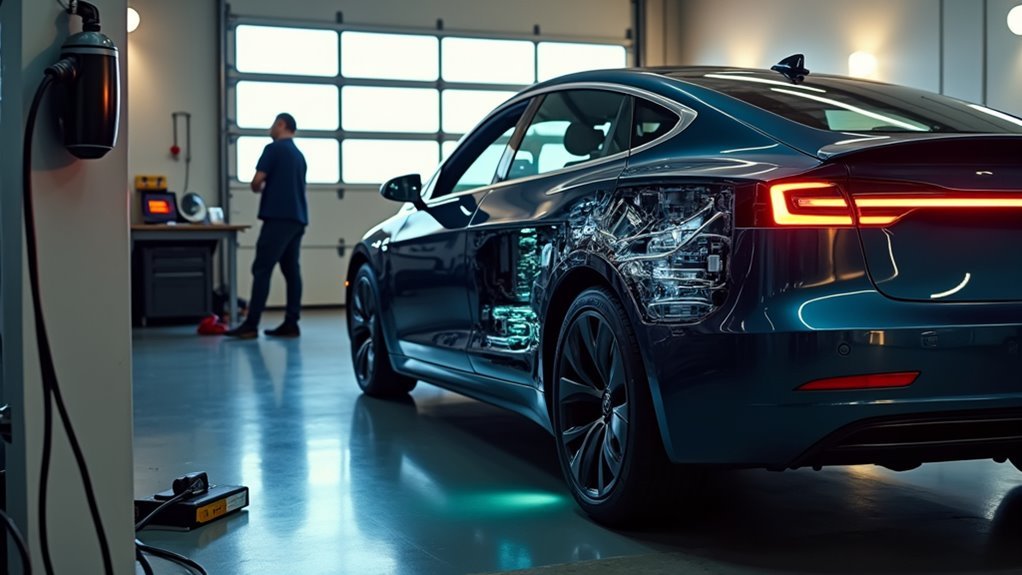
Electric car batteries typically last 12 to 20 years and commonly exceed 100,000 miles. Actual lifespan depends on driving habits, charging patterns, and storage conditions. Mild climates and moderate charging keep batteries healthier. Excessive heat, deep discharges, and frequent fast charging accelerate wear. Spotting early warning signs helps avoid surprise range loss and costly repairs.
How Long Do Electric Car Batteries Last?
Usually, an electric car battery lasts far longer than many people initially expect, and that can be a relief provided you’re curious about a huge repair bill.
You can often count on 12 to 20 years of use, and many batteries go well past 100,000 miles. In mild climates, they often stay strong for 12 to 15 years, while harsher heat or cold can shorten that span.
Even then, you’re not alone in questioning about long-term costs, and that’s where warranty coverage helps set a baseline. Most brands offer 8 years or 100,000 miles, and some protect a healthy share of capacity.
Because these batteries age slowly, your resale value can stay stronger, and recycling programs can help whenever the pack finally reaches the end of the road.
How EV Battery Degradation Works
In case you’ve already learned that EV batteries can last a long time, the next question is how they wear down in the outset. You’re not alone in pondering that, and the answer is mostly gentle chemistry evolution, not a sudden break.
As cells charge and discharge, tiny changes build up inside them, and their state of health slowly shifts.
- You lose a little capacity as materials age.
- You notice range fade before the battery feels “bad.”
- You still keep driving with confidence, because decline usually stays gradual.
When you understand this pattern, your EV feels less mysterious and more like a teammate. The pack isn’t failing overnight; it’s simply changing over time, in a way that many drivers live with every day.
What Shortens EV Battery Life?
A few everyday habits can quietly shave years off an EV battery’s life, but the positive aspect is that most of them are manageable once you know what to watch for. Heat is the biggest drain, so hot parking, fast charging too often, and sitting at 100% can stress the pack. Deep discharges and frequent rapid charging also push the battery harder than you might realize.
Your battery chemistry matters too, because some packs handle stress better than others. Still, you can protect any pack by charging in the middle range, parking in shade, and avoiding long stretches at empty. Also, keep up with software updates, since they frequently improve charging control and thermal management.
Small choices add up, and they help you feel confident in your EV every day.
EV Battery Lifespan by Battery Type
Your EV battery’s lifespan can look very different depending on the battery type, and that’s good news because it gives you some useful viewpoint right away.
Lithium-ion packs usually power your EV for 12 to 20 years, and many keep strong range past 100,000 miles.
That means you’re not alone whether your car still feels dependable after years on the road.
- Nickel-rich batteries often give you strong energy and solid endurance.
- Lithium iron phosphate packs usually age slowly and stay steady.
- Sodium ion developments and solid state prospects point to even better days ahead.
How Driving Habits Affect Battery Life
Should you drive hard with quick starts, sudden stops, and fast highway bursts, you put more stress on your EV battery than you might realize. Smoother driving helps your battery work more efficiently and can slow wear over time. Small changes behind the wheel can give you more peace of mind and help your battery last longer.
Aggressive Driving Effects
Aggressive driving can wear on an EV battery faster than calm, steady driving, because hard acceleration and sudden braking create more heat and more stress inside the pack. Whenever you chase thrill charging, you might feel powerful, but your battery feels the strain. You’re part of a community of drivers who want their EV to last, so it helps to notice these moments:
- Rapid starts can spike battery temperature and drain energy fast.
- Hard stops can reduce the benefit of brake regeneration.
- Repeated surges can add wear over time, even though you don’t see it right away.
Should you want your battery to stay strong for the long road ahead, treating it with a little restraint matters. Small choices today can help you keep that reliable feeling tomorrow.
Smooth Driving Benefits
Smooth driving gives your EV battery a much easier day. Whenever you choose eco acceleration, you ask for less instant power, and that lowers heat and stress. In case you coast early and brake gently, regenerative smoothing can send energy back to the pack while keeping the ride calm. You’ll fit in better with other mindful drivers too.
| Habit | Battery Load | Benefit |
|---|---|---|
| Gentle launch | Low | Less heat |
| Steady speed | Low | Fewer spikes |
| Light braking | Medium | More recovery |
That rhythm matters because battery wear builds over time, not all at once. So, whenever you drive with patience, you’re helping your EV stay healthier for more miles, and you’re joining a community that values smart, easygoing driving.
How Weather Affects EV Batteries
Weather can change how your EV battery feels and performs, especially whenever temperatures swing too far in either direction.
In cold weather, you might notice less range because the battery works harder to stay warm and deliver power.
In hot weather, heat can speed up battery wear over time, so keeping your car cool can help safeguard it.
Temperature Extremes
At the time temperatures swing to the extreme, your EV battery has to work harder just to stay comfortable. Strong heat or sudden freezes can strain the pack, so smart thermal management matters. With good battery insulation, your car keeps the cells steadier, and that helps you feel like you belong on the road, not fighting it.
- In blazing heat, the battery might lose some efficiency and age faster.
- In deep cold, the pack can feel sluggish and less keen to give power.
- Whenever your EV stays parked in shade or shelter, it catches a break.
You don’t need to panic. Modern systems guard the pack, and that quiet support keeps your drive calmer, safer, and more reliable whenever weather gets wild.
Cold Weather Range Loss
Cold air can make your EV feel a little less enthusiastic, and that’s normal. You might notice less range because the battery works harder to stay warm, and cabin heating asks for extra energy too.
Whenever temperatures drop, chemical reactions slow down, so your car could deliver power less quickly. You might also see regenerative reduction, which means the car recovers less energy when you slow down.
In very cold conditions, battery icing can add stress provided moisture freezes around parts of the system. Still, this doesn’t mean your battery is failing. It’s just responding to winter like many drivers do.
Should you plan a little extra charge and drive with confidence, you’ll usually stay on track and feel more at ease.
Heat And Battery Wear
Heat can wear on an EV battery faster than many drivers expect, and that’s why hot days deserve a little extra attention.
Whenever you drive in strong heat, your pack works harder, and thermal management helps keep things steady. Good battery cooling protects your range, but it can’t erase every bit of stress.
You can help your car by:
- Parking in shade whenever you can, so the pack stays calmer.
- Charging after the cabin cools, which gives the system a break.
- Using gentle driving and planned stops, so you and your EV stay in sync.
If summer feels rough, you’re not alone.
Many drivers in warm places face the same thing, and smart habits make the ride easier. Small choices today can help your battery stay stronger for years.
Best Charging Habits for EV Batteries
Usually, the best way to protect your EV battery is to charge it with a steady, calm routine. You don’t need to chase 100% every night. Instead, aim for the 20% to 80% range whenever possible, because that eases stress on the pack.
Overnight scheduling helps you plug in after dinner and wake up ready, without extra wait time or heat buildup. In case your car offers battery conditioning, use it before fast charging or in very cold weather, since it helps the battery stay comfortable.
Also, avoid letting the battery sit near empty for long stretches, and don’t leave it full for days unless you truly need the range. Small habits like these fit neatly into your day and help you feel like you’re taking care of your ride with the rest of your EV crew.
Signs Your EV Battery Is Aging
One of the initial signs your EV battery is aging is that your driving range starts to shrink a bit, even should your habits stay the same. You may also notice slower charging or a drop in power during climbs.
That can feel frustrating, but you’re not alone, and many drivers see the same shift.
- Your dashboard range seems to slip faster than before.
- Full charges don’t take you as far on familiar routes.
- Battery diagnostics show lower health than last season.
These clues matter because they help you track wear before it feels scary. They can also affect resale impact, since buyers notice range changes.
Were you to spot them, stay calm and keep watching the pattern. A little aging is normal, and your EV still has plenty of road ahead.
When to Replace an EV Battery
Should your EV range keeps slipping and charging starts to feel less reassuring, it could be time to look at replacement rather than just wear. You’re not alone, and that shift can feel tough.
Most packs age slowly, so a sudden drop, failed fast charging, or a big jump in trip planning stress can signal real trouble.
In the event your battery sits near 70% to 80% capacity, or your shop confirms weak cells, replacement starts to make sense. You can also compare repair quotes with cost forecasts, because the price gap perhaps help you decide.
In many cases, battery recycling lowers waste and supports a cleaner swap.
Should warranty coverage be gone and your daily drives keep shrinking, trust your experience. You deserve a car that feels steady again.
Frequently Asked Questions
Do EV Batteries Lose Capacity Faster During the First Few Years?
Yes, you’ll usually see a bit more initial degradation in the opening few years, then it slows. Your battery’s temperature sensitivity matters too, so gentle charging and cooler storage help it stay healthier longer.
Can an EV Battery Outlast the Car Itself?
Yes. You can see battery longevity outlast the car itself, which lowers ownership costs and keeps you in the EV community longer. With good charging habits and moderate weather, your battery might outlive your vehicle.
What Battery Health Percentage Is Considered Too Low?
Below 70% battery health is usually too low, and you might start considering battery replacement. Watch for rapid degradation as well. With long term monitoring you will know once range drops enough to affect your daily routine and plans.
How Much Range Can I Expect After 10 Years?
You can expect about 70% to 90% of your original range after 10 years, depending on battery degradation, climate, and charging habits. With smart care, you will stay in the game and keep dependable long term range.
Do EV Battery Warranties Cover Gradual Capacity Loss?
Yes. Your EV warranty usually covers gradual capacity loss but only if it falls below the warranty threshold, which is often around 70 percent retention. If your battery qualifies, you will receive prorated repairs or a replacement depending on your automaker.