Book Appointment Now

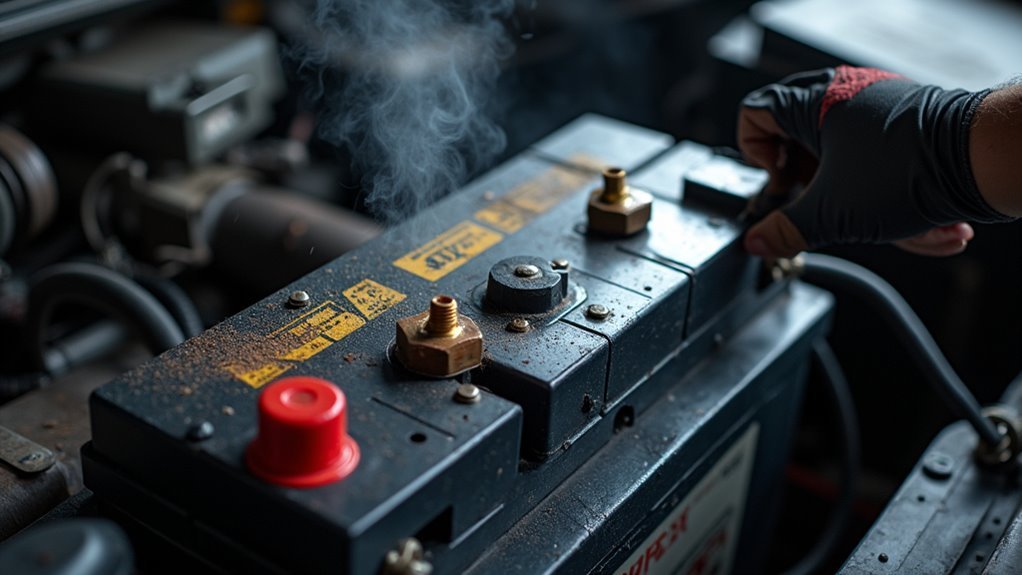
What Happens If You Install the Wrong Battery
Installing the wrong battery can cause dim lights, slow cranks, warning lights, or a no-start. A mismatched size, voltage, or terminal layout can create loose connections and excess heat. That stress harms the alternator, wiring, and other electrical components. About 1 in 4 battery problems stem from incorrect fit or specs. Acting quickly when a car starts behaving oddly prevents more damage.
What the Wrong Battery Does
Once you install the wrong battery, the problem usually shows up fast, and it can spread through the whole electrical system before you realize what’s happening. You might feel frustrated, but you’re not alone, and this mix-up happens more often than people admit.
The battery can force current the wrong way, strain your alternator, and upset your car’s control modules. Should the fit be off, poor terminal alignment can loosen connections and invite corrosion buildup around the posts.
That extra resistance makes power flow uneven, so your vehicle could act confused instead of calm. In some cases, the battery won’t sit securely, and vibration can worsen the damage. Because the parts work together, one wrong choice can ripple through everything.
Signs Your Battery Is Incompatible
In case your battery doesn’t belong in your vehicle, the warning signs usually show up quickly, and they can feel a little alarming initially. You might notice dashboard anomalies, like dim lights or warning icons that pop on and off. Then the starter could click, crank slowly, or stay quiet when you turn the key.
- The engine struggles at startup.
- Accessories act weak or uneven.
- You smell stray odors, especially a sharp hot or plastic scent.
These clues often appear together, so trust them. Assuming your ride starts acting off, you’re not alone, and it’s smart to pay attention. A battery that fits right should help your vehicle feel steady, not uncertain.
How an Incompatible Battery Causes Damage
Whenever the battery doesn’t match your vehicle, the damage can start fast, and it often happens before you even realize what’s wrong. You might notice weak starts, flickering lights, or a battery that slips in too loosely.
Then the wrong size, voltage, or chemistry can strain your charging system and upset your electronics. Over time, you could see terminal corrosion, melted insulation, or even a failing alternator.
Because the battery can’t charge and discharge the way your car expects, parts wear out sooner and leave you stuck at the worst moment. Should the battery swell, leak, or no longer fit safely, stop using it and arrange battery recycling. That helps protect your vehicle and keeps your community safer, too.
Why the Wrong Battery Can Be Dangerous
If you install the wrong battery, you can put your vehicle’s electrical system at real risk. If connections are reversed or the size or voltage is incorrect it can cause sparks, overheating, and damaged parts before you even notice what’s happening.
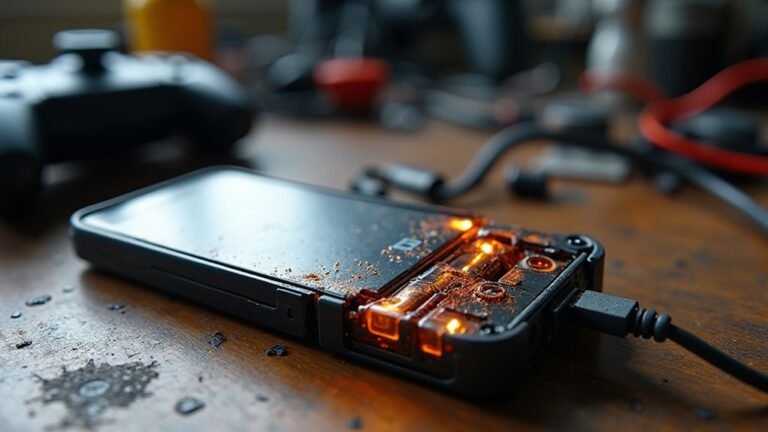
In worse cases, the battery can leak, swell, or catch fire, so it’s worth taking the warning signs seriously.
Electrical System Damage
A wrong battery can hurt your car’s electrical system fast, and that damage can feel scary because it often starts before you even realize something’s off.
Whenever the fit or voltage is wrong, you can stress wires, modules, and connectors. Then circuit corrosion and grounding faults can sneak in, making your ride act weird and unreliable.
You could notice:
- Dim or flickering lights
- Slow starts or clicking
- Warning messages on the dash
These signs mean your car isn’t getting steady power, so parts can overwork and fail.
In case you keep driving, small issues can spread to the alternator, fuse box, and control units. That’s why it helps to catch the problem sooner and fix it before your car leaves you feeling stranded.
Fire And Leakage
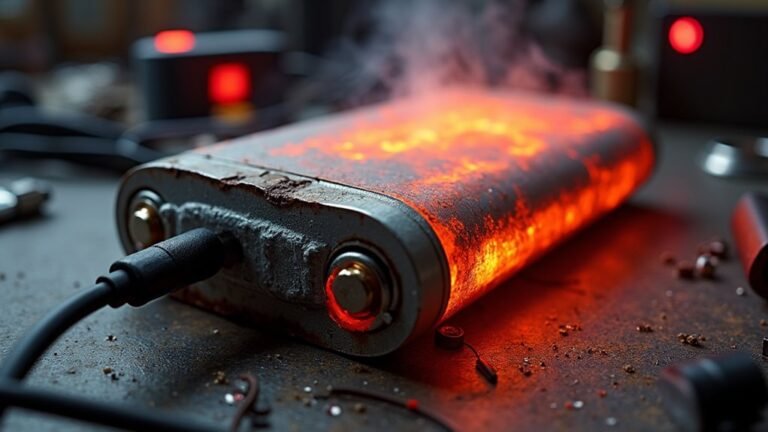
Leaking or overheating battery parts can turn a small mistake into a serious safety risk fast. Whenever you install the wrong battery, extra heat can build up and push the cells toward thermal runaway.
That means the battery can keep heating itself until smoke, fire, or even rupture follows. Should the case crack, acid seepage can spread onto metal parts, wiring, and your hands, causing burns and corrosion.
You might notice a hot smell, swollen case, or wet spots near the tray. So, in the event something feels off, stop using the vehicle and let the battery cool.
Then get help from a trained tech. Staying calm helps you protect yourself and the people around you.
What to Do If You Installed the Wrong Battery
Initially, switch off the engine and don’t try to start it again, because each extra crank can make the damage worse. Then do a quick post install inspection and look for hot cables, flickering lights, clicking, or a burning smell. In case you notice anything odd, disconnect the battery only provided you can do it safely.
- Check the terminal order and make sure nothing is loose.
- Should the battery be swollen, leaking, or smoking, move away and call professional assistance.
- Assuming the car still won’t run right, let a trusted technician evaluate the charging system and electronics.
You’re not alone here. A wrong battery can shake your confidence, but calm steps protect your vehicle and your peace of mind.
How to Choose the Right Replacement Battery
Now that you know how to spot trouble after a bad install, you can focus on getting the right battery before the next wrench turns. Check your owner’s manual initially, then match battery sizing, voltage, and terminal layout so you don’t force a bad fit. Should your ride use start-stop tech, choose the exact battery type for that system. That keeps you in the pack and saves headaches later.
| Check | Why it matters |
|---|---|
| Group size | Keeps the battery secure |
| Voltage | Matches your vehicle’s needs |
| Chemistry | Supports start-stop use |
| Terminal protection | Helps prevent corrosion and shorts |
Next, inspect the tray, cables, and terminal protection before you buy. A snug, clean setup gives you confidence, and it helps your whole crew of components stay safe.
Frequently Asked Questions
Can the Wrong Battery Void My Vehicle Warranty?
Yes, installing the wrong battery can void your warranty; it creates a risk of damage. A dealer may refuse coverage if the damage is linked to the incorrect battery, so use the correct specifications and keep installation records.
Will a Wrong Battery Affect My Car’s Electronics Immediately?
Yes, it can affect your car’s electronics immediately if the battery is incompatible. You may notice flickering lights, clicking sounds, or a burning smell. Good electrical protection can help prevent instant damage, but do not take the risk.
How Long Can I Drive After Installing the Wrong Battery?
You shouldn’t drive long, sometimes not at all. One mismatch can cut battery longevity fast; a 12 volt battery in a 6 volt system can fry parts instantly. Should you notice flickering lights or burning smells, stop and disconnect it.
Can I Reuse a Battery After It Was Installed Backwards?
You shouldn’t reuse it unless a professional checks for installation damage and confirms battery recovery is complete. Reversed connections can weaken cells so you’ll need an initial examination; otherwise you could risk shorts, leaks, or worse.
Do Start-Stop Cars Need Special Battery Types?
Yes, your start stop car usually needs AGM or EFB batteries because they handle frequent cycling and battery management better. If you choose a conventional battery, you will likely lose start stop function and might shorten the system’s life.