Book Appointment Now

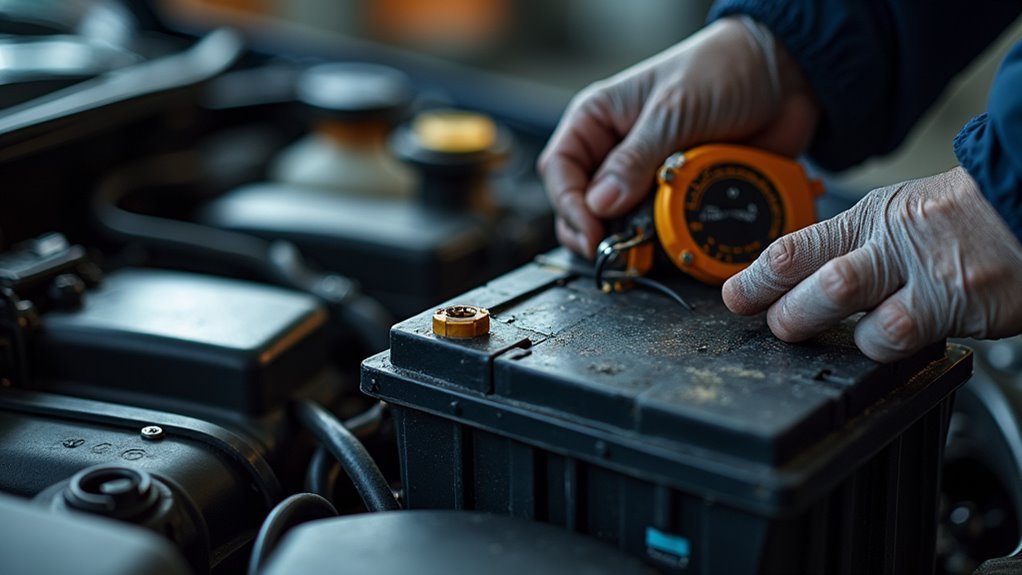
Can a Bad Battery Affect Engine Performance
Yes — a weak battery can reduce engine performance. Lower voltage makes the starter work harder and the ignition system produce weaker sparks. That leads to sluggish starts, rough idling, and poor throttle response. Modern engine electronics can behave erratically with low battery charge, affecting sensors and fuel delivery. Replacing or charging a failing battery often restores normal starting and running.
Can a Bad Battery Affect Engine Performance?
Yes, a bad battery can affect engine performance, and it often starts in ways that feel small but get frustrating fast.
When your battery’s battery chemistry weakens, it can’t give the starter the steady push your engine needs. You might notice slow cranking, a stubborn start, or that annoying moment when your car acts sleepy on a cold morning. A parasitic draw can make things worse through draining power while your car sits, so you keep losing charge without seeing why.
Then your ignition and fuel systems couldn’t get the stable voltage they like, and your engine can feel rough or hesitant. Should you’ve been confronting repeated jump-starts, you’re not alone. Your car is telling you it wants help, and it deserves it.
How Low Voltage Affects Engine Running
As voltage drops, your engine can start acting like it’s running on a weak heartbeat. You’re part of a driving team, and low power makes that team stumble. The ECU might misread data, then it can trim fuel or spark to protect the engine.
- Low voltage weakens the ignition spark, so combustion gets less complete.
- Fuel injectors might pulse unevenly, which can make the engine feel unsteady.
- Sensor recalibration might lag, so the computer reads old conditions and reacts slowly.
- Voltage harmonics can add electrical noise, and that noise can upset smooth control.
When this happens, the alternator works harder, and your engine carries extra load. That strain can make the whole ride feel less responsive, even before any big failure shows up.
Signs Your Battery Is Hurting Performance
As your battery starts slipping, the signs often show up before the car quits on you. You might notice slow cranking, dim lights, or intermittent electronics that act moody, like the radio resetting or the dash blinking for no reason. That usually means the battery can’t stay steady.
Next, pay attention whenever you add accessory draw, such as the A/C, phone charger, or wipers. In case the car feels sluggish or needs frequent jump-starts, your battery could be the weak link.
You could also spot corrosion on the terminals or a swollen case, which tells you the battery needs attention. Once these clues stack up, trust them. They’re your car’s way of asking for help before performance slips further.
Why Low Voltage Hurts Fuel and Ignition
Whenever the battery voltage falls, the fuel and ignition systems can’t do their jobs cleanly, and you could feel that change right away.
Low power changes the way your car’s brain controls spark timing and injector pulse, so the engine gets less accurate fuel and weaker sparks.
That can make you feel like the car is dragging instead of moving with you.
- The injectors could open for the wrong amount of time.
- The spark can arrive too late or too weak.
- The mix of air and fuel mightn’t burn as fully.
- The engine might lose smooth response under load.
Can a Bad Battery Cause Rough Idling?
Yes, a bad battery can cause your engine idle rough, and that can feel unsettling while you’re just sitting at a stoplight. Once voltage drops, your engine control system could struggle to keep fuel and spark in sync, so the idle can shake, sputter, or dip.
You might notice this most whenever the car is warm and electrical demand is higher. A weak battery can also make starter health look worse than it is, because the whole system feels strained. That’s why idle diagnostics should include battery checks, not just engine parts.
Look for slow starts, dim lights, or corroded terminals, then evaluate the battery and charging output. If you catch it promptly, you help your car settle down and you feel a lot less stuck.
Electrical Problems That Look Like Engine Trouble
Electrical problems can feel a lot like engine trouble, especially provided your car starts acting tired for no clear reason. Whenever you’re part of a busy life, that can be unsettling, but you’re not alone. Tiny faults can mimic a bad engine and make you chase the wrong fix.
- Dim lights and flickering gauges can signal electrical gremlins, not bad cylinders.
- Parasitic drains can slowly steal power and leave you with weak electronics.
- Loose or corroded connections can make the ECU act confused.
- Bad relays or sensors can trigger rough running, stalling, or warning lights.
How Battery Problems Affect Starting and Charging
When your battery gets weak, your engine might crank slowly because the starter isn’t getting enough power. You could also notice weak alternator output, since the charging system has to work harder to keep voltage stable.
That voltage drop can appear as dim lights, rough starts, or a car that just feels off whenever you turn the key.
Slow Engine Cranking
A weak battery often shows up initially as slow engine cranking, and that delay can feel frustrating because the car sounds ready to start but just can’t quite get there. You might hear the starter groan, then pause, which adds starter wear over time.
Once cold cranking drops in chilly weather, the battery sends less power, so the engine turns slower and your nerves kick in too.
- You notice a long pause before start.
- The lights could dip while you turn the key.
- The starter works harder than it should.
- The engine might finally catch after extra effort.
Because you belong on the road with confidence, check the battery soon should cranking stays sluggish. Also inspect the terminals, since bad contact can mimic a weak battery and keep you guessing.
Weak Alternator Output
That weak battery can quietly put extra pressure on your alternator, and that matters more than most drivers realize.
Whenever the battery is unable to hold a steady charge, the alternator keeps working longer and harder to cover the gap. You mightn’t feel the strain right away, but the charging system does.
Over time, this extra demand can cause alternator overheating, shorten component life, and make charging less steady. In some cases, field weakening can also occur, so the alternator can’t supply power as well as it should.
For you, that means the whole system has to fight to stay balanced. A battery and alternator work as a team, so if one falls behind, the other gets pushed.
Voltage Drop Symptoms
Should your battery starts losing voltage, the trouble usually shows up initially in the way your car starts and charges. You might hear slow cranking, see dim lights, or notice the dash acting odd. Whenever voltage sags, the starter works harder, and the alternator has to chase a weak charge. That can feel stressful, but you’re not alone, and the signs are easy to spot:
- Slow start after sitting overnight
- Flickering lights at idle
- Repeated jump starts
- Parasitic draw that drains power fast
Low voltage can also upset sensor calibration, so the engine computer could read things wrong and run rough. Provided you catch these clues beforehand, you can protect your battery, starter, and charging system prior to them wearing down.
How to Test If the Battery Is the Problem
You can start through checking the battery voltage with a multimeter, since a healthy battery should read about 12.6 volts whenever the car is off.
Provided the reading is low, a load trial can show whether the battery still holds power whenever the starter asks for more.
These two checks help you tell whether the battery is the real problem or whether another part is causing the trouble.
Voltage Check
Checking voltage is one of the quickest ways to see whether a weak battery is behind your engine trouble. You don’t need much gear, just multimeter basics and a calm minute.
Initially, turn the car off and touch the leads to the battery posts. A healthy battery usually shows about 12.6 volts. Then start the engine and watch for voltage profiling; you should see 13.7 to 14.7 volts when charging looks steady. Should the numbers stay low, your battery could be letting the whole system slip.
- Check the posts, not the cable ends.
- Clean away corrosion before examining.
- Compare off and running readings.
- Recheck after a short drive.
When you do this, you’re not guessing. You’re joining plenty of drivers who want answers they can trust.
Load Test
A load examination tells you far more than a simple voltage check, because it shows how the battery behaves whenever the car actually needs power. You’ll need a battery load-assessment tool or a shop tester, then watch the voltage while the starter draw pulls hard. Should the reading drops fast, the battery might be weak even though it looked fine at rest.
Next, check the terminals, because corrosion can fake a bad battery and leave you guessing. Also, compare the result with normal starting numbers. A healthy battery should hold steady under pressure, not sag and wobble like it missed breakfast.
If the battery fails the assessment, you’ve likely found the trouble. In case it passes, look deeper at the starter, cables, or charging system.
When to Replace the Battery or Check the Alternator
As your car starts acting tired, the battery and alternator usually deserve the initial look. In case you see slow cranking, dim lights, or warning signs after a load exam, compare them with your battery warranty and replacement timing. Whenever the battery is old, swollen, or can’t hold charge, replace it. Should a new battery still leaves you with rough starts, check the alternator next.
- Watch for repeated jump-starts.
- Notice flickering dash lights.
- Assess voltage with the engine off and running.
- Ask a trusted shop whether the charging system keeps falling short.
You don’t need to guess alone. Many drivers in your spot feel stressed, but clear checks can point you to the right fix fast.
How to Prevent Battery Trouble Early
You can catch battery trouble promptly through examining your battery often, especially before cold weather or long trips.
Keep the terminals clean and tight, because corrosion can quietly steal power and make your engine act up.
You should also check the charging system, since a weak alternator can wear down a good battery faster than you’d expect.
Regular Battery Testing
Regular battery checks can save you from a lot of stress later, because it catches trouble before your car starts acting up. You don’t need to guess whenever your ride feels off; battery diagnostics give you clear answers.
Keep a simple maintenance schedule so you can spot weak voltage before it turns into slow starts or rough driving.
- Assess your battery before cold weather hits.
- Check voltage during routine service visits.
- Watch for signs like dim lights or slow cranking.
- Replace a battery that keeps slipping below normal.
If you stay ahead of battery trouble, you help your car run smoother and you feel more confident every time you turn the key. That kind of peace of mind matters, especially whenever you count on your vehicle daily.
Clean Terminal Connections
Whenever you do terminal cleaning, you help your battery share power without drama.
To begin, disconnect the cables, then brush away white or green buildup from the posts and clamps.
Wipe the area dry so moisture doesn’t sneak back in.
After that, check that the clamps sit tight and steady, since loose contact can cause slow starts and rough running.
A light coat of contact lubrication can help slow future corrosion and keep the connection smooth.
Provided you stay on top of this small habit, you give yourself a better chance at reliable starts and a calmer drive every day.
Check Charging System
Under the hood, the charging system does more than keep the battery alive, because it also helps protect engine performance before small problems turn into frustrating roadside drama. Whenever you inspect it promptly, you keep your ride feeling like part of the crew, not the odd one out.
- Start with alternator diagnosis provided you see dim lights or slow cranking.
- Evaluate battery voltage with the engine off and running.
- Look for loose belts, bad wiring, or corrosion that causes system parasitism.
- Fix weak parts fast, so the ECU gets steady power and the engine stays smooth.
Should you catch charging trouble ahead of time, you can avoid rough idling, hard starts, and surprise stalls. That simple check helps your car stay ready, and helps you stay confident on every drive.
Frequently Asked Questions
Can a Weak Battery Trigger False Engine Warning Lights?
Yes, a weak battery can trigger false engine warning lights, like a flickering storm on your dash. Voltage fluctuations and sensor interference can confuse your ECU, so you could feel worried, not alone, once warnings appear.
Does Battery Corrosion Reduce Engine Performance?
Yes, battery corrosion and terminal buildup can reduce engine performance by blocking stable power flow. You may notice slow starts, rough idling, or dim lights. Clean connections and you will help your engine run smoother.
Can a Bad Battery Affect Acceleration on Short Trips?
Yes, you can feel weaker acceleration on short trips: a bad battery causes battery drain, then power spikes, making your car sluggish yet jumpy. You are not alone; those brief drives can expose voltage problems fast.
Will a Weak Battery Make Cold Starts Worse?
Yes, it will. Your weak battery has lower cold cranking power, so it cannot meet starter draw as well in chilly weather. You will notice slower cranking, harder starts, and more frustration on cold mornings.
Can Repeated Jump-Starts Damage Engine Electronics?
Yes, repeated jump starts can hurt your engine electronics if you keep doing it. You will add alternator stress and risk ECU resets, causing glitches. Replace the battery soon so you can drive with confidence and peace.